April 2026 | Plan Catalyst

Impact Assessment Report IEC Kenya Pilot Project

Empowering Kenyan communities for a better, cleaner future

At a glance

Access to reliable, safe sources of electricity remains a huge challenge in remote, rural areas, particularly in Sub-Saharan Africa. Solar installations with batteries are often seen as a good solution, but when they reach the end of their life, they create a dangerous e-waste risk.

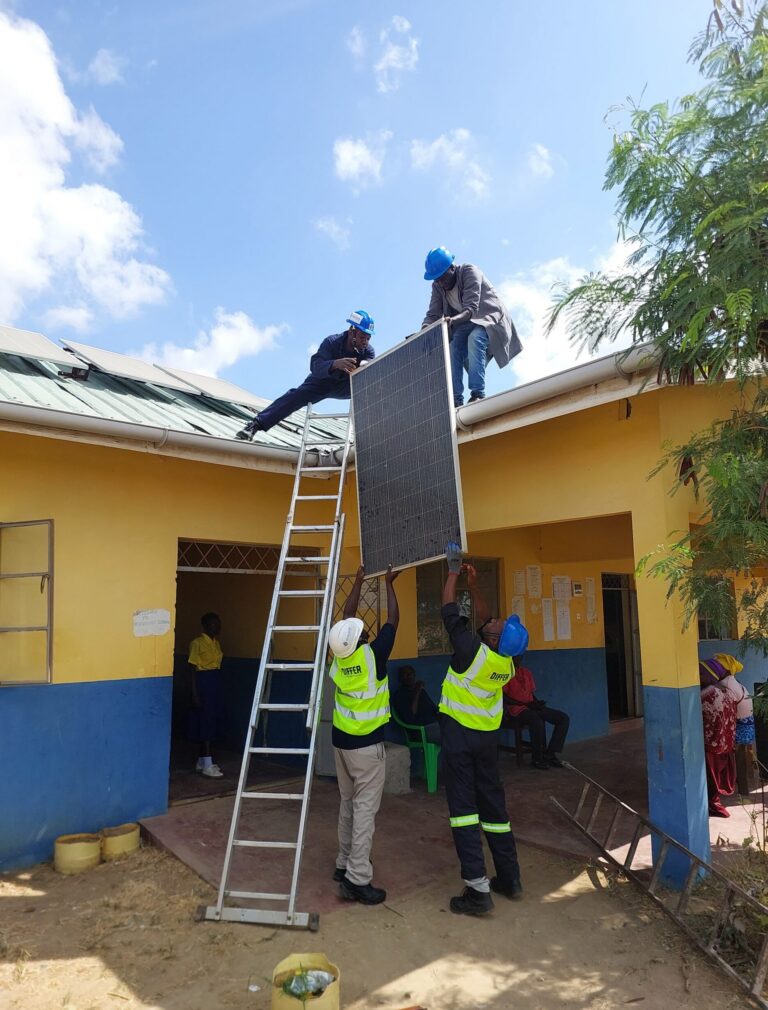
Under the first project of the IEC Impact Alliance, Differ Community Power (DCP) was tasked with bringing electricity via solar PV installations to schools and healthcare facilities in Kenya, guided by international standards and the systems that determine their conformity. This involved determining the feasibility of using second-life lithium batteries to rehabilitate them. The project aimed to establish the viability of the approach with a view to extending it to other existing solar PV installations, thus improving lives through enabling reliable, clean sources of electricity.

9

rural institutions

7

schools

2

health facilities

3

counties

Kilifi, Kwale, and Taita Taveta
This third-party assessment outlined the profound benefits that electricity access brought to the institutions, such as improved learning environments in the schools and the ability to use essential medical equipment and services in the health facilities. The report also highlighted the significant community benefits of the project such as improved security and greater confidence in local institutions.

Why this project matters This project addresses a critical gap in global electricity access.

While access has grown significantly in recent years, with a rising number of off grid solar PV systems, they are not always safe and reliable, failing frequently due to weak design, inadequate storage, poor installation, and the absence of quality standards.
In Kenya thousands of schools and healthcare facilities lack consistent, reliable electricity for essential services. In schools, this means children miss out on important learning opportunities as computers and other equipment cannot be used. In healthcare facilities, life-saving vaccines and medicines that require refrigeration cannot always be stored safely, while healthcare workers are often forced to deliver babies by torchlight during nighttime births.

Key assessment findings

Overall, the findings underscore the relevance and transformative potential of reliable electricity access for institutional development in underserved regions. It concludes that the pilot demonstrated the technical feasibility of the initiative and the value of international standards, providing a credible foundation for scale.

© Photo: Mutunga Al-Amin/IEC/Fairpicture

Impact on education: a transformative shift

The introduction of reliable, standards-compliant electricity fundamentally altered the learning environment across the primary schools participating in the impact assessment. Improved lighting, extended study hours and the integration of digital learning tools such as computers improved the learning environment.

Impact on healthcare: life-saving interventions

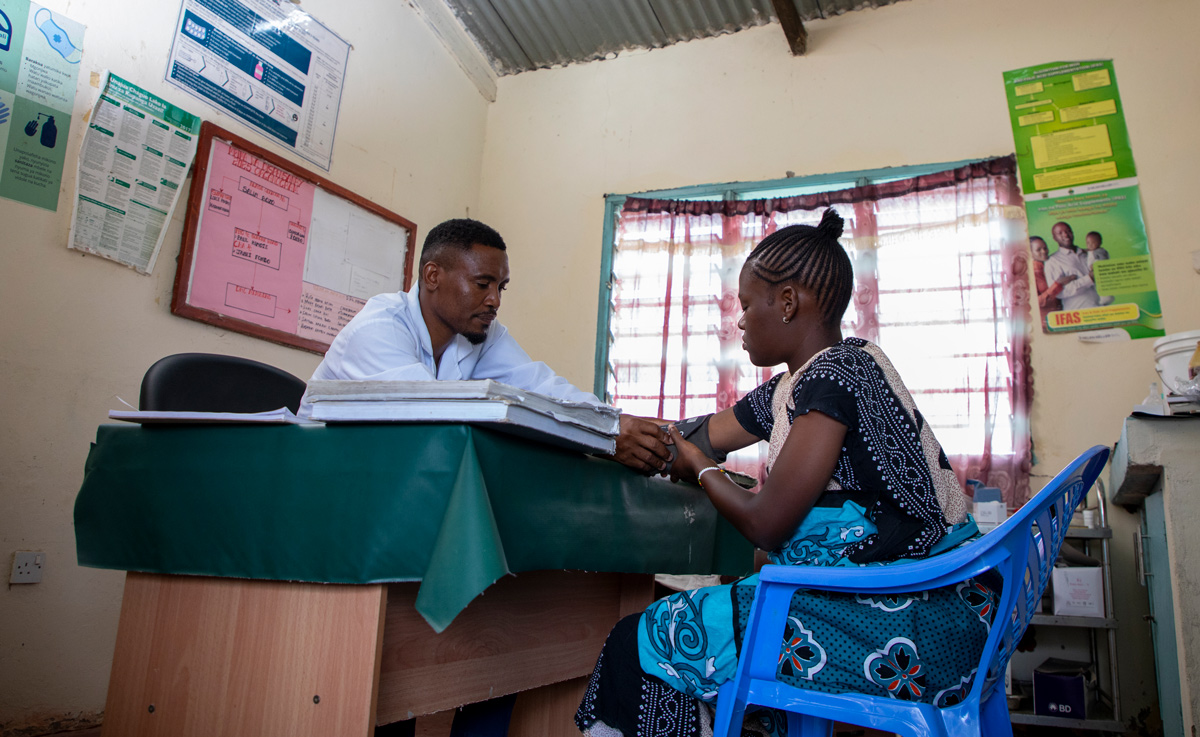
In health facilities, the impacts of reliable electricity were immediate, visible, and frequently described as life- saving. Health facilities reported that they could now safely conduct night-time deliveries, respond to emergencies such as accidents and snake bites, and remain operational beyond daylight hours.

Community benefits

Improved security through better lighting and the ability to charge phones were just some examples of the wider impacts of the project, and community members described the installations as evidence of progress and government presence, which reinforced their confidence in local institutions.

Technical performance and system reliability

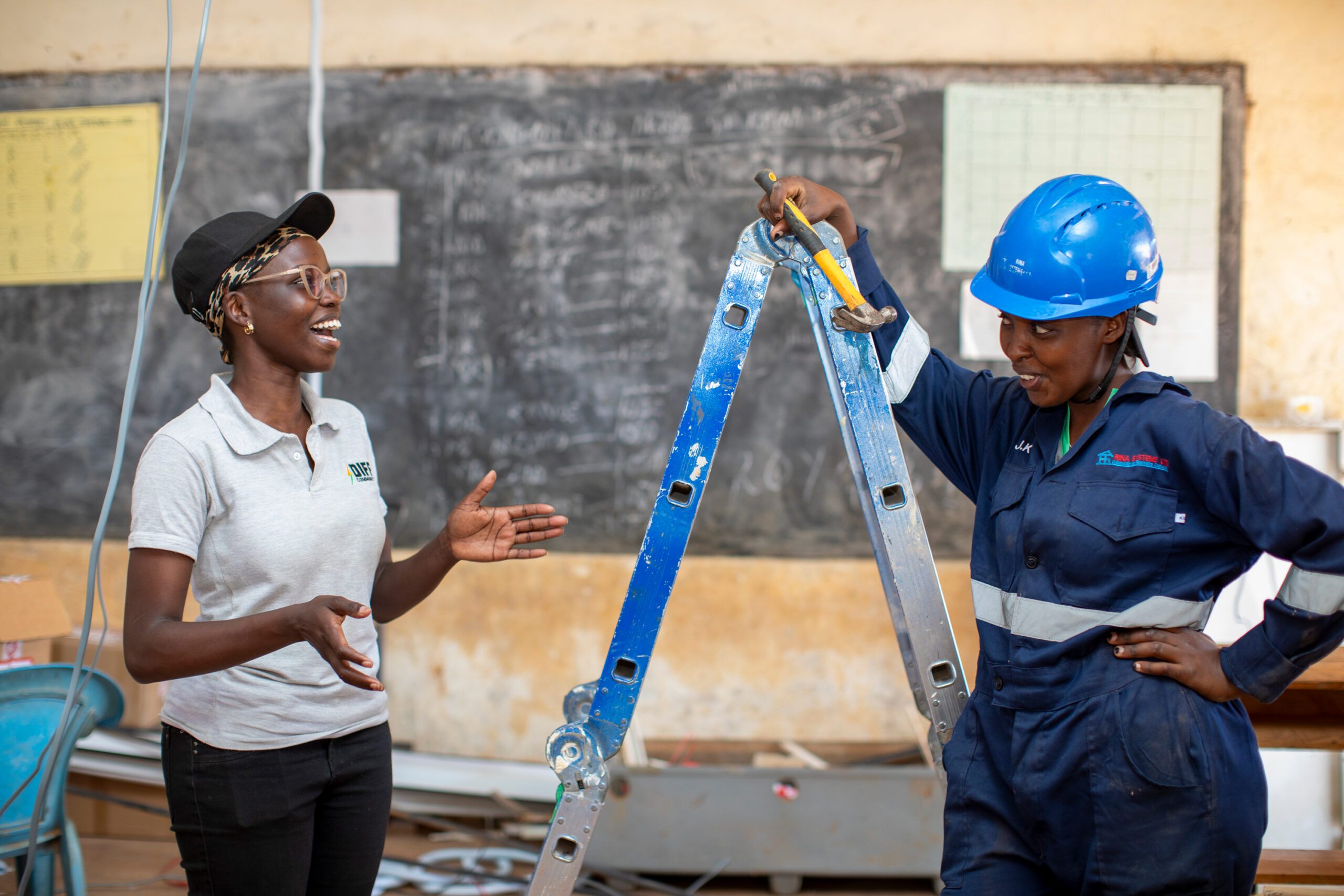
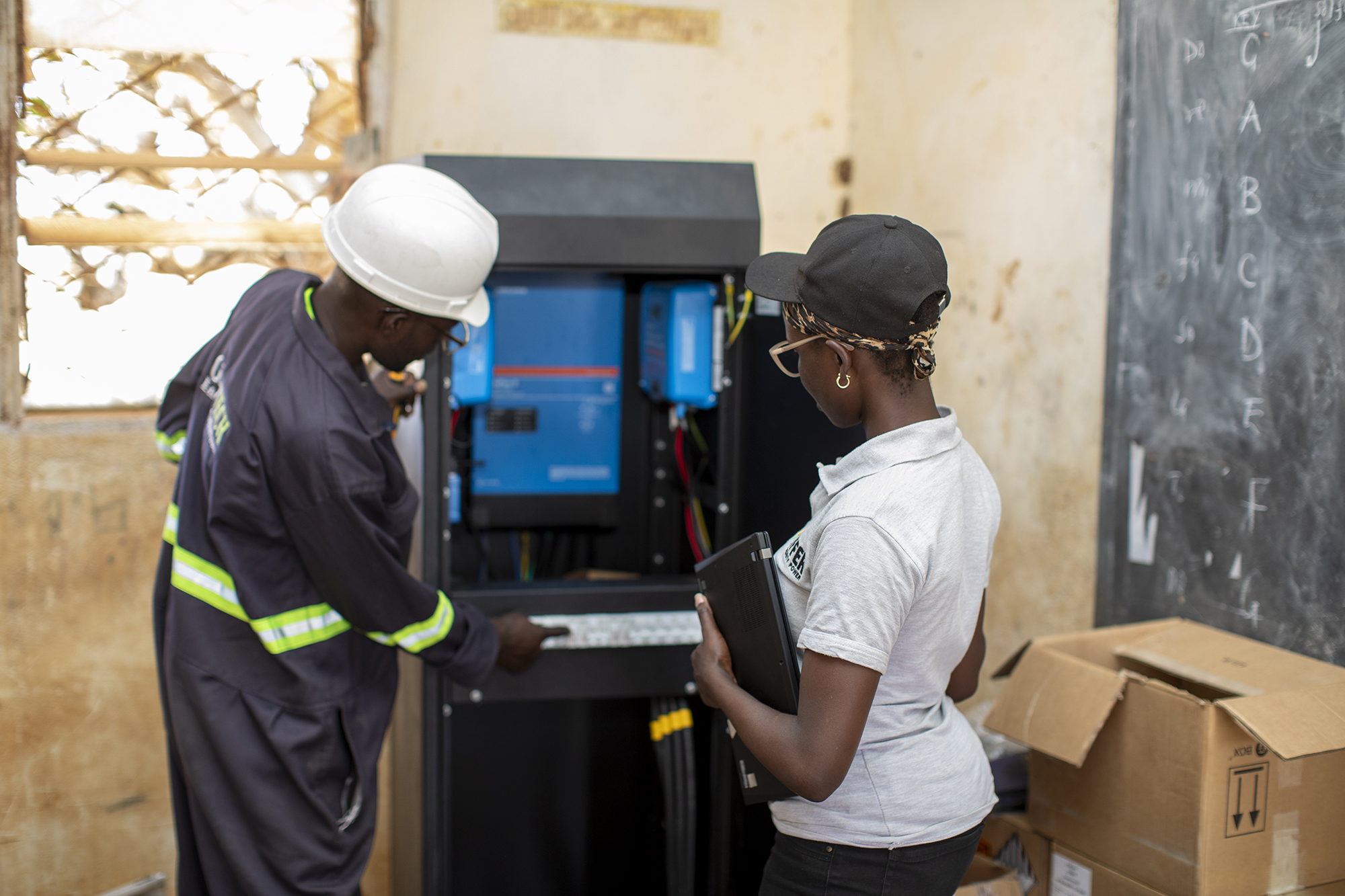
The analysis showed that IEC-compliant systems establish a strong basis for reliable functionality. However, performance outcomes are shaped less by the technology itself and more by the quality of system design, installation, battery management and ongoing operational practices. Thus, while standards compliance is necessary, ongoing system optimization and demand management are also essential to sustain performance over time.

Economic, environment and circularity outcomes

The use of the installations was shown to significantly reduce reliance on diesel generators, resulting in lower costs and much reduced emissions, and the use of second-life batteries reduced e-waste by extending the useful life of the batteries. The pilot highlights both the promise of circularity and the importance of embedding it within regulated and standards-based systems.

Gender equality and social inclusion

While outcomes were gender-positive, explicit gender engagement strategies were not the project’s focus and represent an opportunity for future phases. However, the assessment found that the introduction of reliable electricity generated meaningful gendered impacts.


Building resilient systems Challenges, sustainability, risks and scaling up

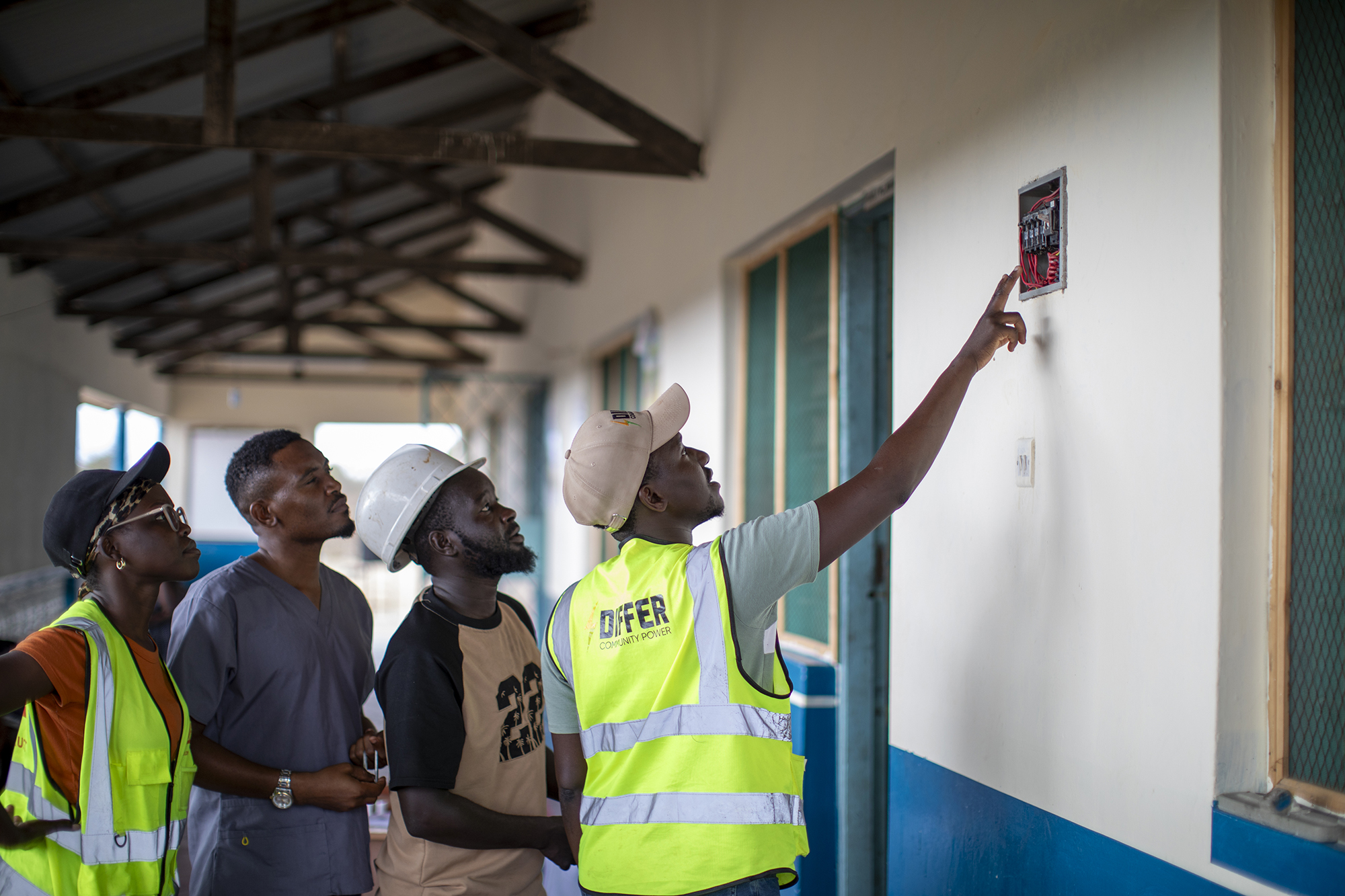
The assessment identified several risks that could undermine long-term performance if left unaddressed. These include limited maintenance capacity by local teams, insufficient funds for operational expenses, unclear responsibility between institutions and service providers and increased demand for electricity. The assessment also highlighted critical factors that significantly enhance the prospects for long-term sustainability, including strong community engagement and the standards framework.
The consistent application of IEC standards is particularly critical, as it serves as a powerful enabler, bridging gaps in trust and technical understanding across diverse stakeholders and ultimately lowering transaction costs throughout the project lifecycle.

Scaling Reliable Impact Strategic recommendations

The evidence from the pilot demonstrates that enabling reliable energy access in institutions such as schools and healthcare facilities needs systems that are explicitly engineered to deliver continuous, reliable service under variable and often demanding operating conditions. Achieving this requires a transition from deployment-focused models toward integrated, lifecycle-based approaches that prioritize system performance, resilience, and long-term functionality.

© Photo: Differ

© Photo: Mutunga Al-Amin/IEC/Fairpicture

Conclusion

The assessment concludes that the IEC–DCP pilot has demonstrated the technical feasibility, operational relevance, and development value of standards-based institutional electrification. Reliable electricity measurably improved education quality, strengthened health service delivery, increased community trust, and reduced reliance on diesel generation. By translating international standards into real-world benefits, the pilot provides a credible foundation for scale.

Standards matter

Adherence to IEC standards played a decisive role in preventing technical failures.

Quality enables impact

Without quality, safety, and maintenance standards, electricity access cannot deliver sustained impact.

Second-life success

Integration of second-life batteries under standards-based protocols strengthened the economic and environmental case.