Empowering Kenyan communities

to build a more resilient, sustainable future

Play video

© Photo: Differ
© Photo: Mutunga Al-Amin/IEC/Fairpicture

The Challenge

Access to reliable, safe sources of electricity remains a huge challenge in remote, rural areas. Batteries and solar panels are often seen as a good solution, but when they reach the end of their life, they no longer solve the connectivity problem. At the same time, they create a dangerous e-waste risk.
Batteries can harm the environment, using up natural resources and releasing toxic pollutants if they’re not safely disposed of. By recycling, reusing and repurposing them, and then disposing of them properly at the end of their useful life, we can minimize this negative impact.
E-waste management is an increasingly serious issue in Africa. Batteries often end up in landfill or burned in open and urban areas. Only a minority of the 52 African countries in the IEC family have national regulations on e-waste management.

Our solution

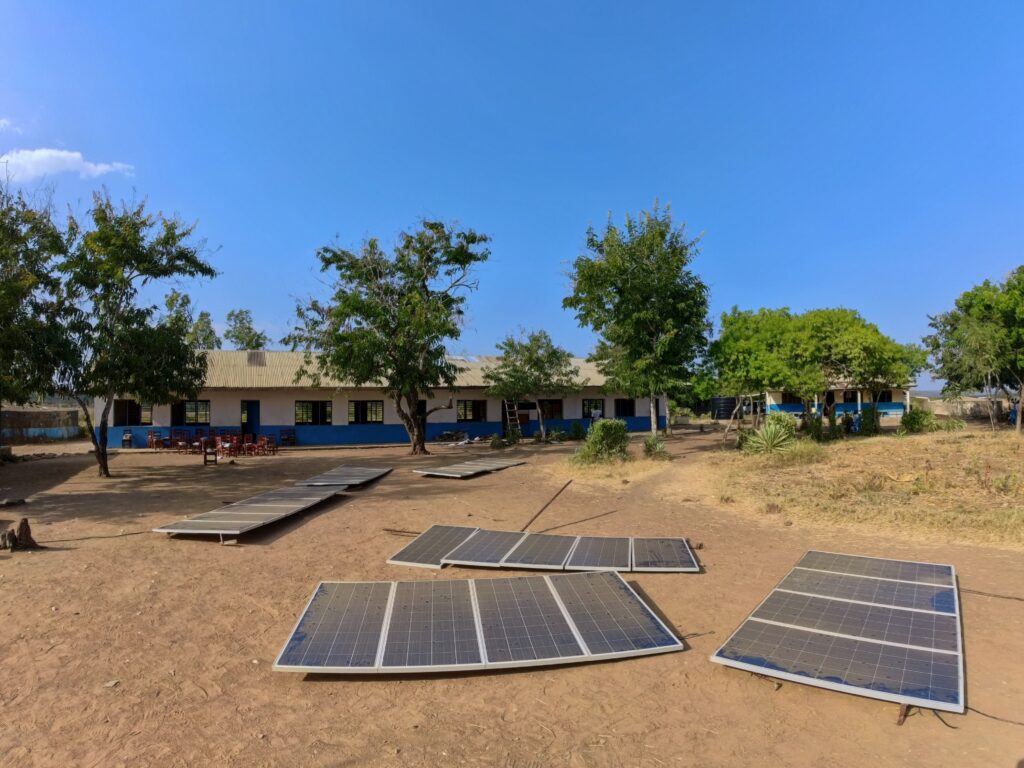
Working with Differ Community Power (DCP), an international provider of solar energy services, we repurposed used electric car batteries to revive dead or dormant solar panels at rural schools and health centres. This scalable project connects communities and reduces e-waste at the same time. It brings long-lasting benefits to everyone, empowering local people to maintain their solar systems by training them on best practices through the use of international standards and conformity assessment.
It also provides vital feedback about how international standards are used, providing a deeper understanding of their true impact on society, which can be used to improve our work even more. 

What this means:

→ Reliable electricity restored to schools and health centres
→ Communities equipped for long-term resilience
→ Battery e-waste reused responsibly
→ Community training based on international standards
→ Informing IEC’s technical community on their work
→ A better understanding of international standards’ real-world impact


The challenge

Access to reliable, safe sources of electricity remains a huge challenge in remote, rural areas. Batteries and solar panels are often seen as a good solution, but when they reach the end of their life, they no longer solve the connectivity problem. At the same time, they create a dangerous e-waste risk.
Batteries can harm the environment, using up natural resources and releasing toxic pollutants if they’re not safely disposed of. By recycling, reusing and repurposing them, and then disposing of them properly at the end of their useful life, we can minimize this negative impact.
E-waste management is an increasingly serious issue in Africa. Batteries often end up in landfill or burned in open and urban areas. Only a minority of the 52 African countries in the IEC family have national regulations on e-waste management. 

Our solution

Working with Differ Community Power (DCP), an international provider of solar energy services, we repurposed used electric car batteries to revive dead or dormant solar panels at rural schools and health centres. This scalable project connects communities and reduces e-waste at the same time. It brings long-lasting benefits to everyone, empowering local people to maintain their solar systems by training them on best practices through the use of international standards and conformity assessment.
It also provides vital feedback for the IEC’s technical community, enabling the improvement of international standardization through a deeper understanding of their true impact on society.  

What this means:

→ Reliable electricity restored to schools and health centres
→ Communities equipped for long-term resilience
→ Battery e-waste reused responsibly
→ Community training based on international standards
→ Informing IEC’s technical community on their work
→ A better understanding of international standards’ real-world impact

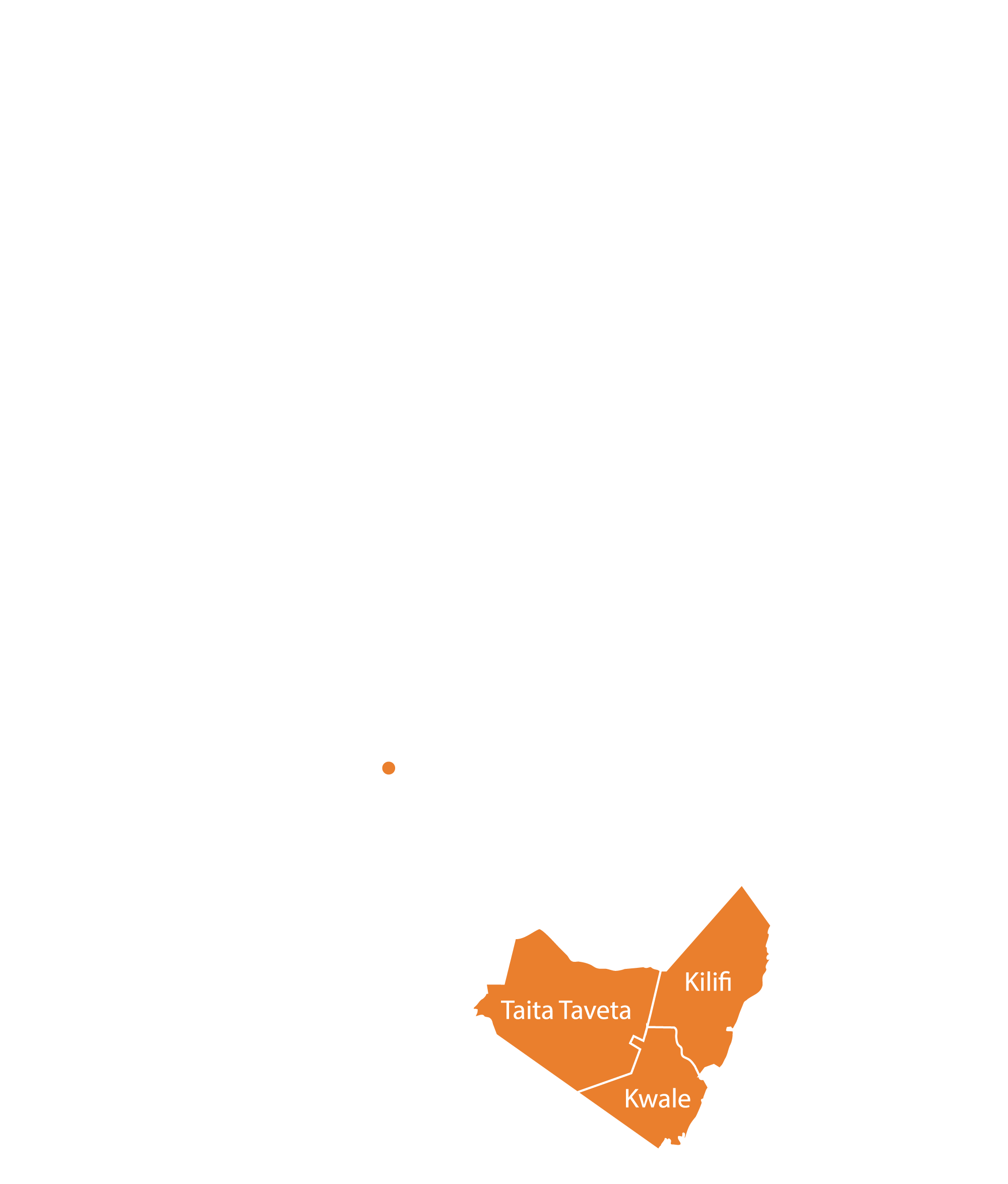
As part of this project, 7 primary schools and 2 healthcare dispensaries, located in the counties of Kilifi, Kwale and Taita-Taveta, have been equipped with clean and reliable electricity through the rehabilitation of dysfunctional solar installations.

© Photo: Mutunga Al-Amin/IEC/Fairpicture

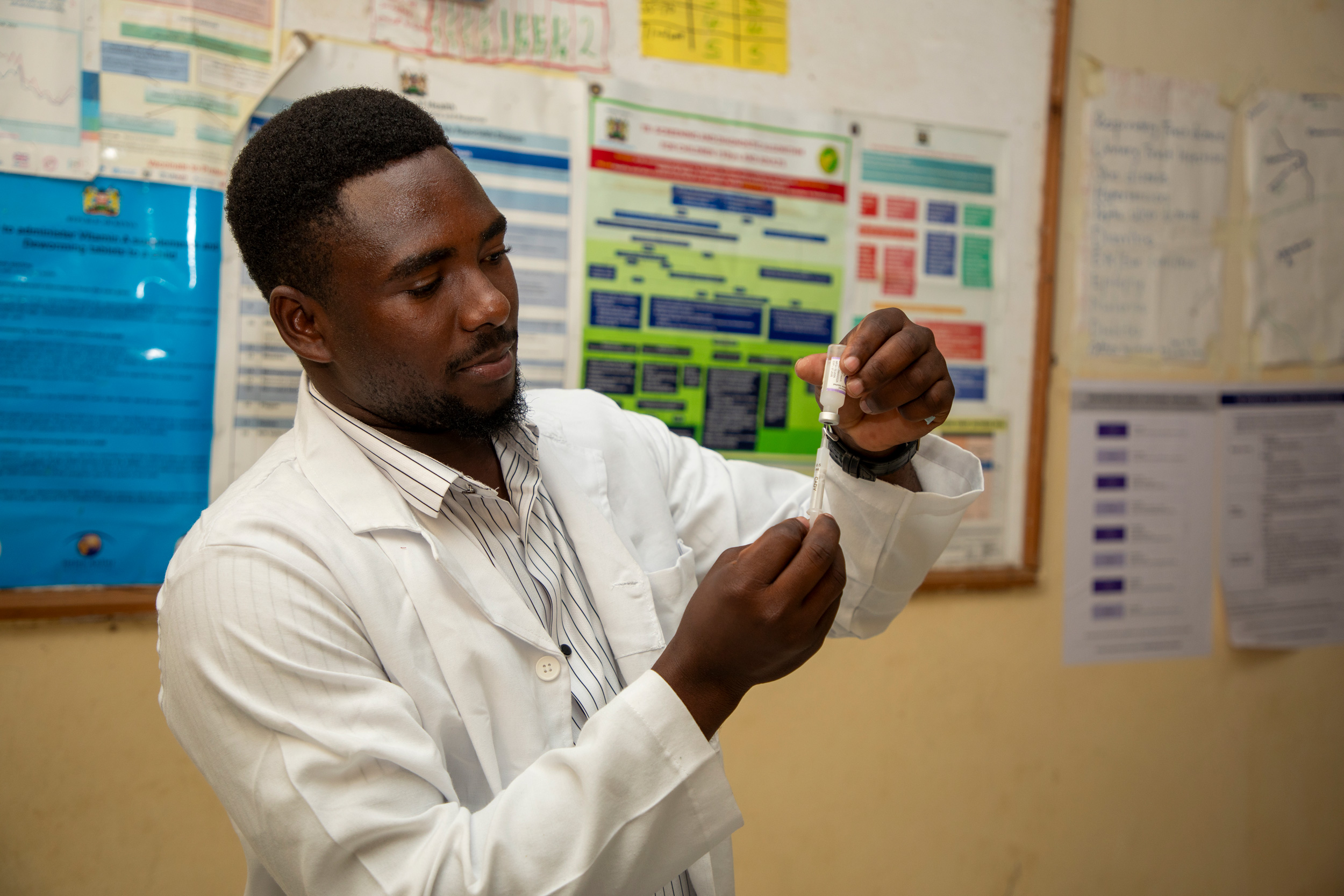
Reliable electricity ensures life-saving vaccines can now be stored safely at Mkang'ombe dispensary.

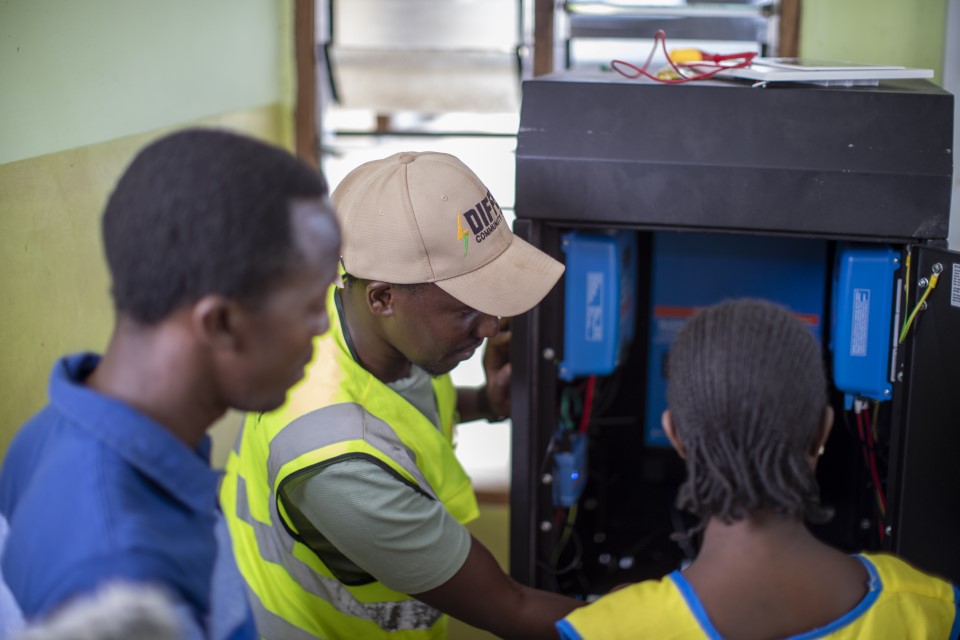
© Photo: Mutunga Al-Amin/IEC/Fairpicture

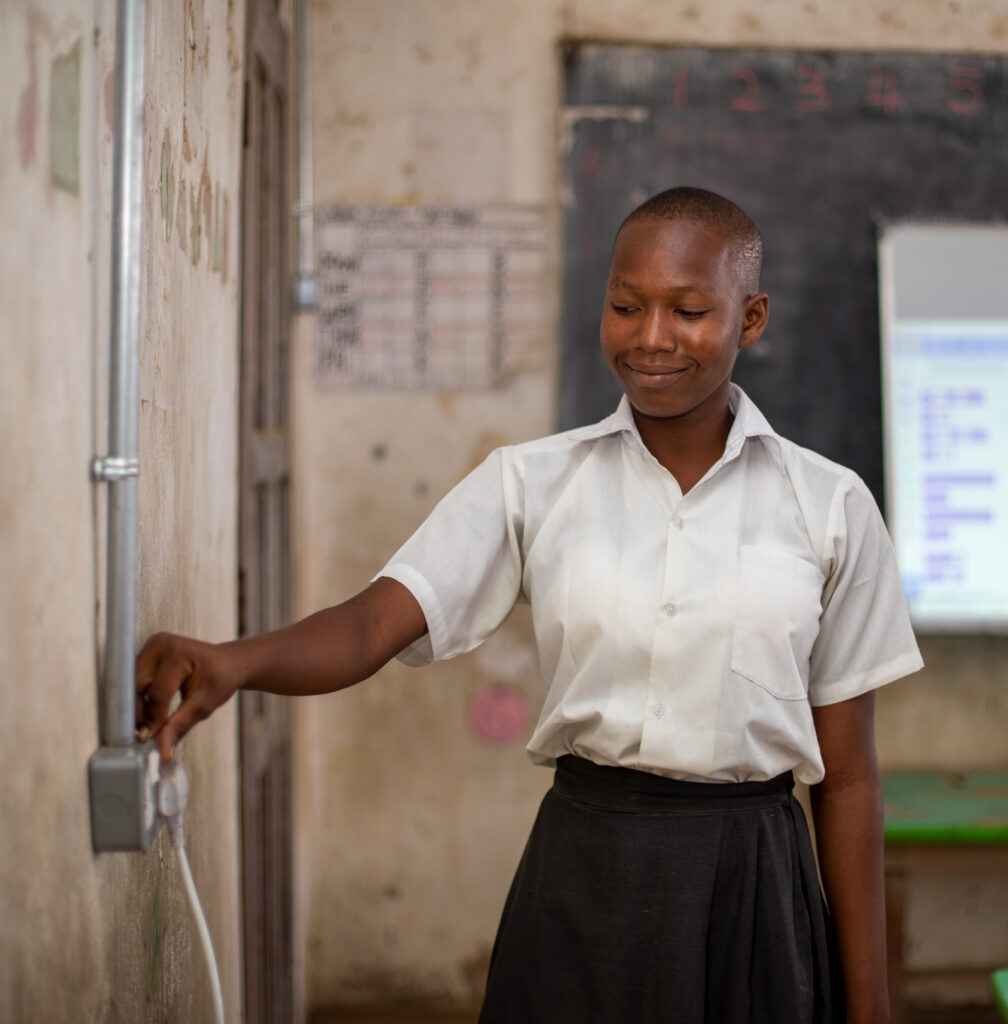
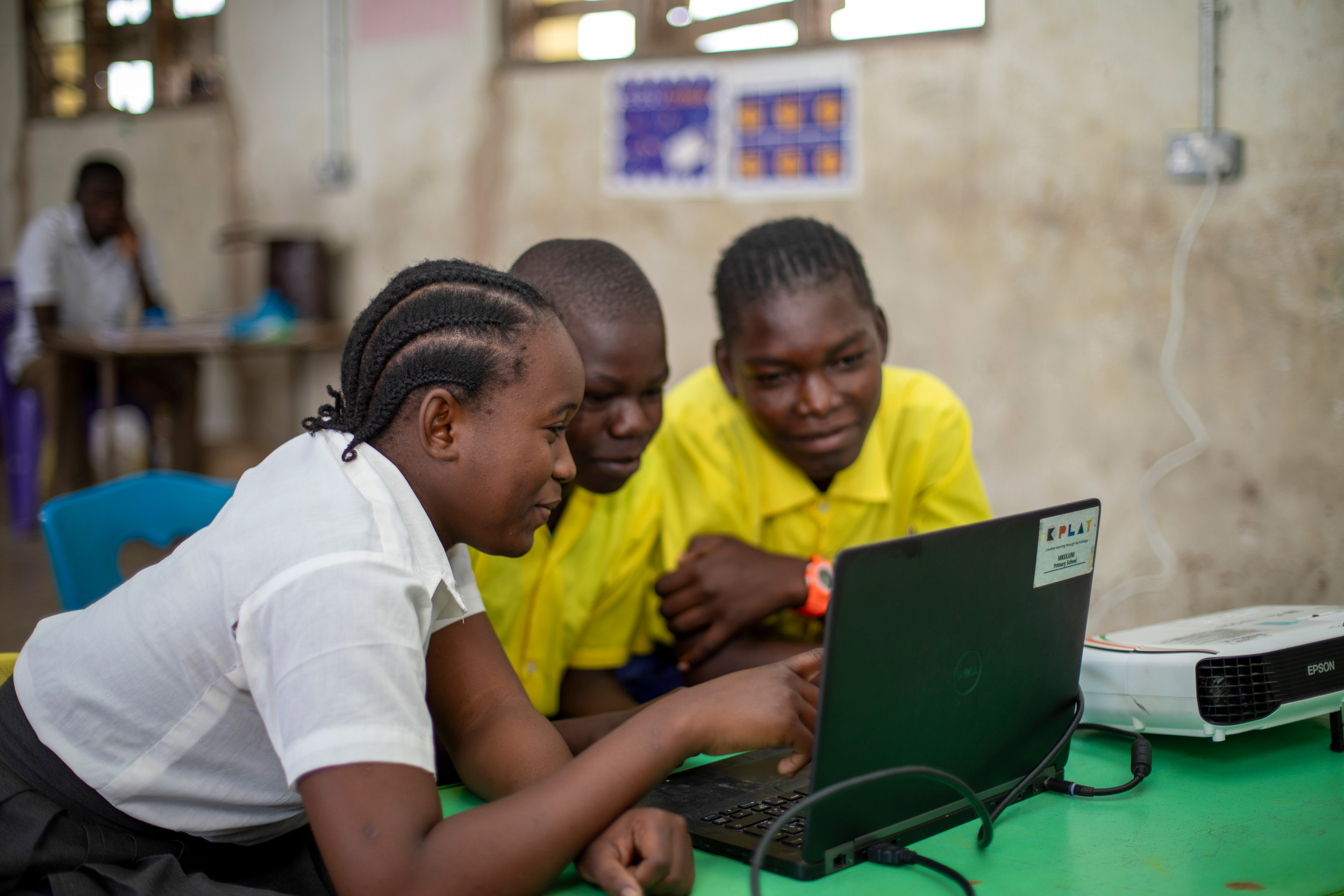
At Mkuluni Primary School, access to reliable electricity opens up a whole new world of opportunity.

© Photo: Mutunga Al-Amin/IEC/Fairpicture

Local community members are trained to manage the new systems, building confidence and practical know-how.

As part of this project, 7 primary schools and 2 healthcare dispensaries, located in the counties of Kilifi, Kwale and Taita-Taveta, have been equipped with clean and reliable electricity through the rehabilitation of dysfunctional solar installations.
OTHER AREAS OF IMPACT

Inspiring women

We are not only providing electricity access to rural communities. We are also giving women engineers the opportunity to show their know-how and make a difference on the ground.

The input of the female engineers working on the team in Kenya brings valuable new perspectives and closer contact with the community to ensure the work is more impactful. What’s more, they serve as inspiring role models for women and girls in the region by setting the example of what is possible.

0 %
of the engineers driving our Impact Alliance project in Kenya are women
Community

Other areas of impact

  • Upskilling people in the community

  • Upskilling people in the community

    By addressing the entire life cycle of the installation and giving people the tools and training to continue the upkeep, communities will continue to benefit from the value of international standards long after the project ends. The project is also an opportunity to train local subcontractors on wiring regulations and commissioning procedures aligned to the standards.
  • Managing e-waste

  • Managing e-waste

    Managing

    e-waste

    According to the International Renewable Energy Agency (IRENA), cumulated solar PV waste will exceed 200 million tonnes by 2050, and this is particularly felt in rural Africa. Alleviating the growing solar and battery e-waste burden in Africa is, therefore, another key objective of the project, through addressing the entire life cycle of the installation and collecting and disposing of e-waste materials correctly.
  • The importance of IEC Standards

  • The importance of IEC Standards

    International standards play an important role in the project as they ensure there is a strong focus on safety and performance, as well as empowering those in the community to keep them maintained.

Upskilling people in the community

By addressing the entire life cycle of the installation and giving people the tools and training to continue the upkeep, communities will continue to benefit from the value of international standards long after the project ends. The project is also an opportunity to train local subcontractors on wiring regulations and commissioning procedures aligned to the standards.

Managing e-waste

Managing

e-waste

According to the International Renewable Energy Agency (IRENA), cumulated solar PV waste will exceed 200 million tonnes by 2050, and this is particularly felt in rural Africa. Alleviating the growing solar and battery e-waste burden in Africa is, therefore, another key objective of the project, through addressing the entire life cycle of the installation and collecting and disposing of e-waste materials correctly.

The importance of IEC Standards

International standards play an important role in the project as they ensure there is a strong focus on safety and performance, as well as empowering those in the community to keep them maintained.

HELP US CHANGE LIVES FOR THE BETTER

If your organization has an innovative use for e-waste, a clever way to widen electricity access or expert insights into climate change and sustainability, we’d love to hear from you.

Impact Assessment Report

IEC Kenya project