The Challenge
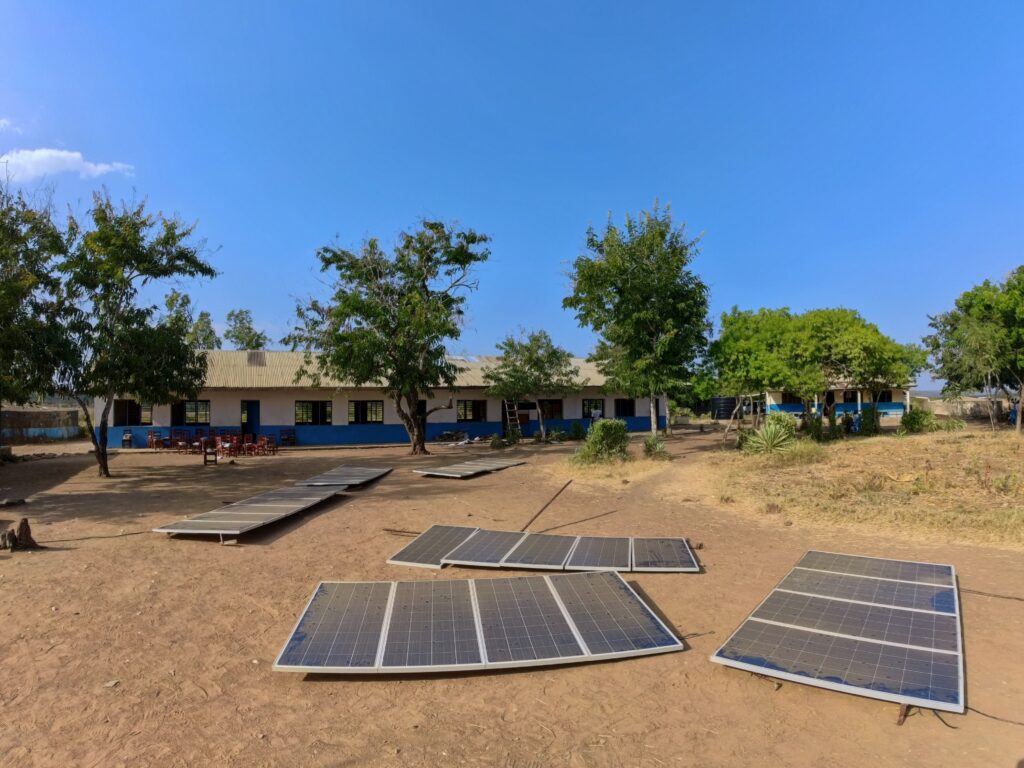
Access to reliable, safe sources of electricity remains a huge challenge in remote, rural areas. Batteries and solar panels are often seen as a good solution, but when they reach the end of their life, they no longer solve the connectivity problem. At the same time, they create a dangerous e-waste risk.
Batteries can harm the environment, using up natural resources and releasing toxic pollutants if they’re not safely disposed of. By recycling, reusing and repurposing them, and then disposing of them properly at the end of their useful life, we can minimize this negative impact.
E-waste management is an increasingly serious issue in Africa. Batteries often end up in landfill or burned in open and urban areas. Only a minority of the 52 African countries in the IEC family have national regulations on e-waste management.
Our solution
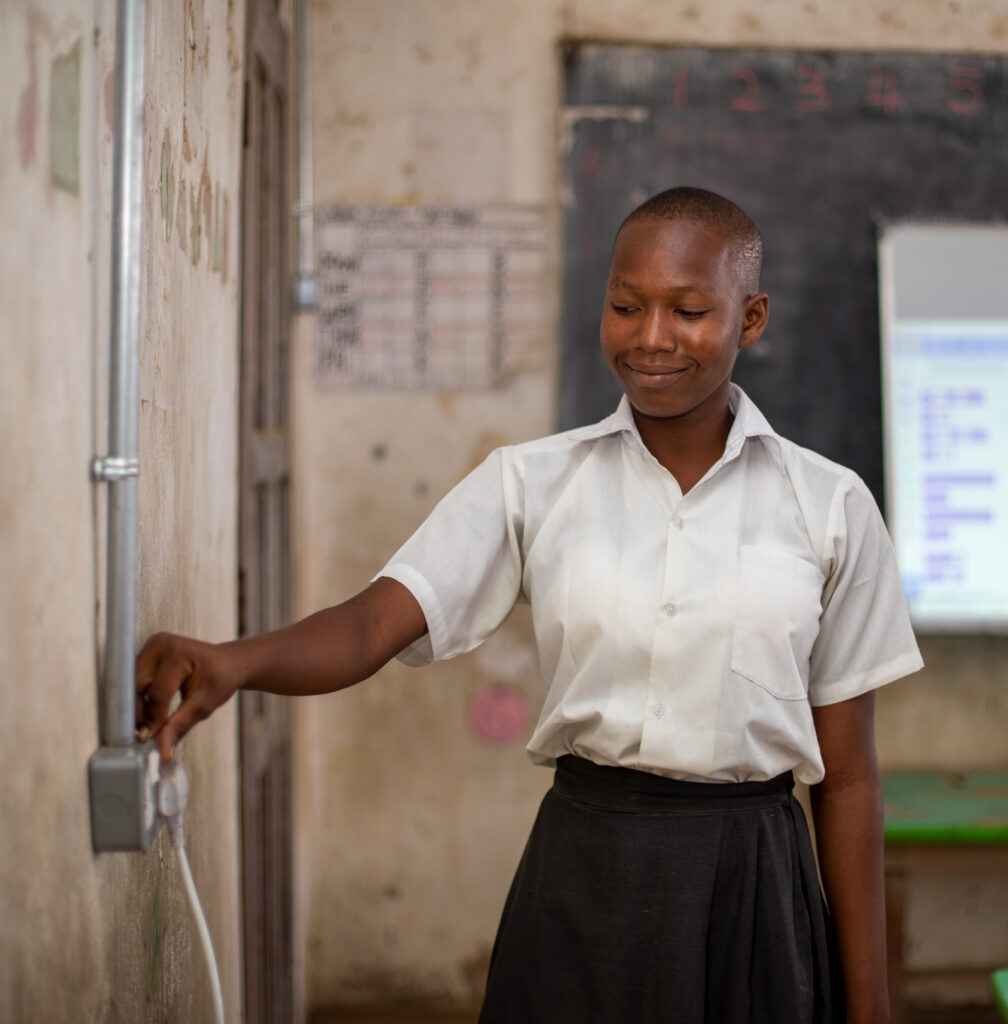
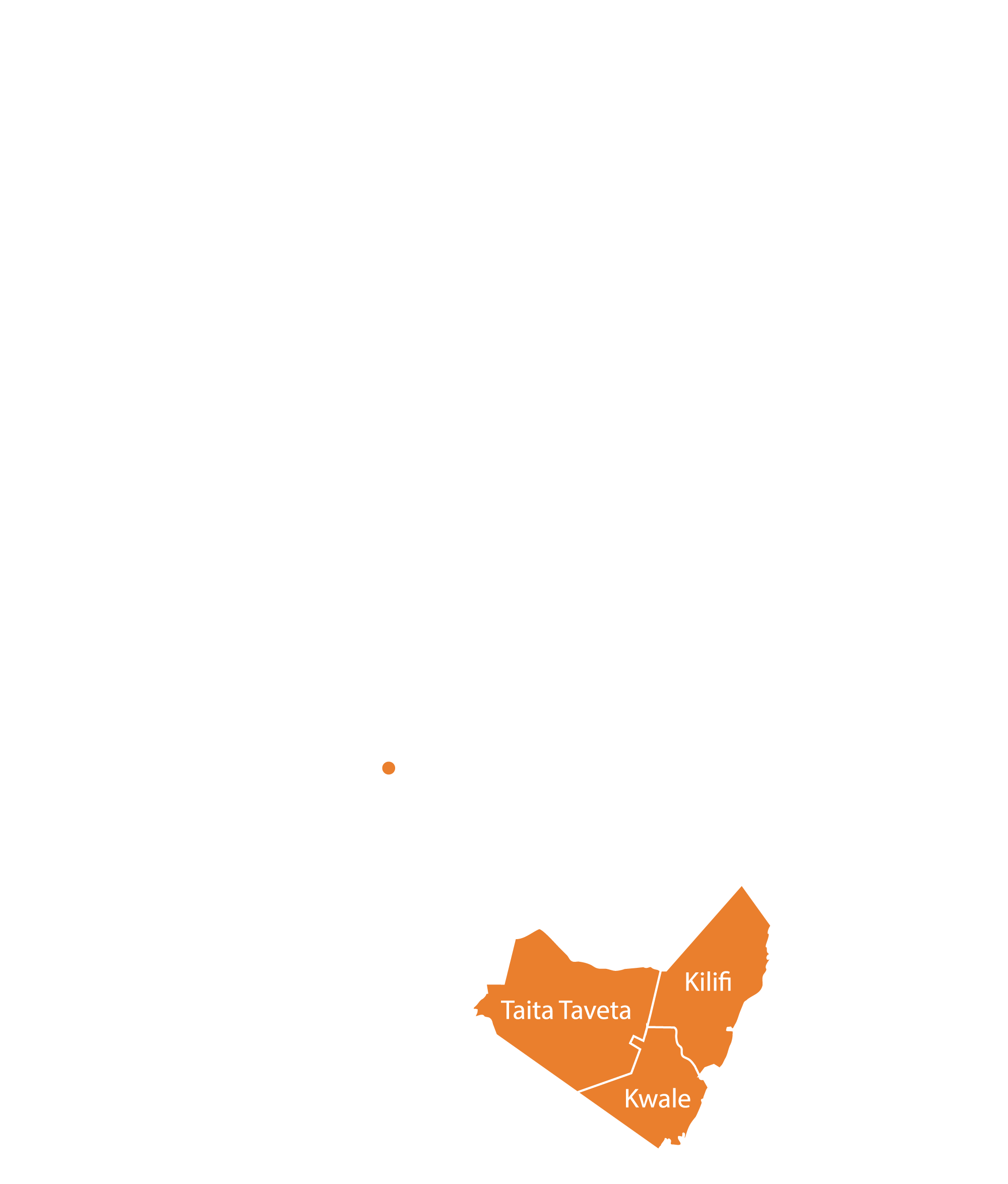
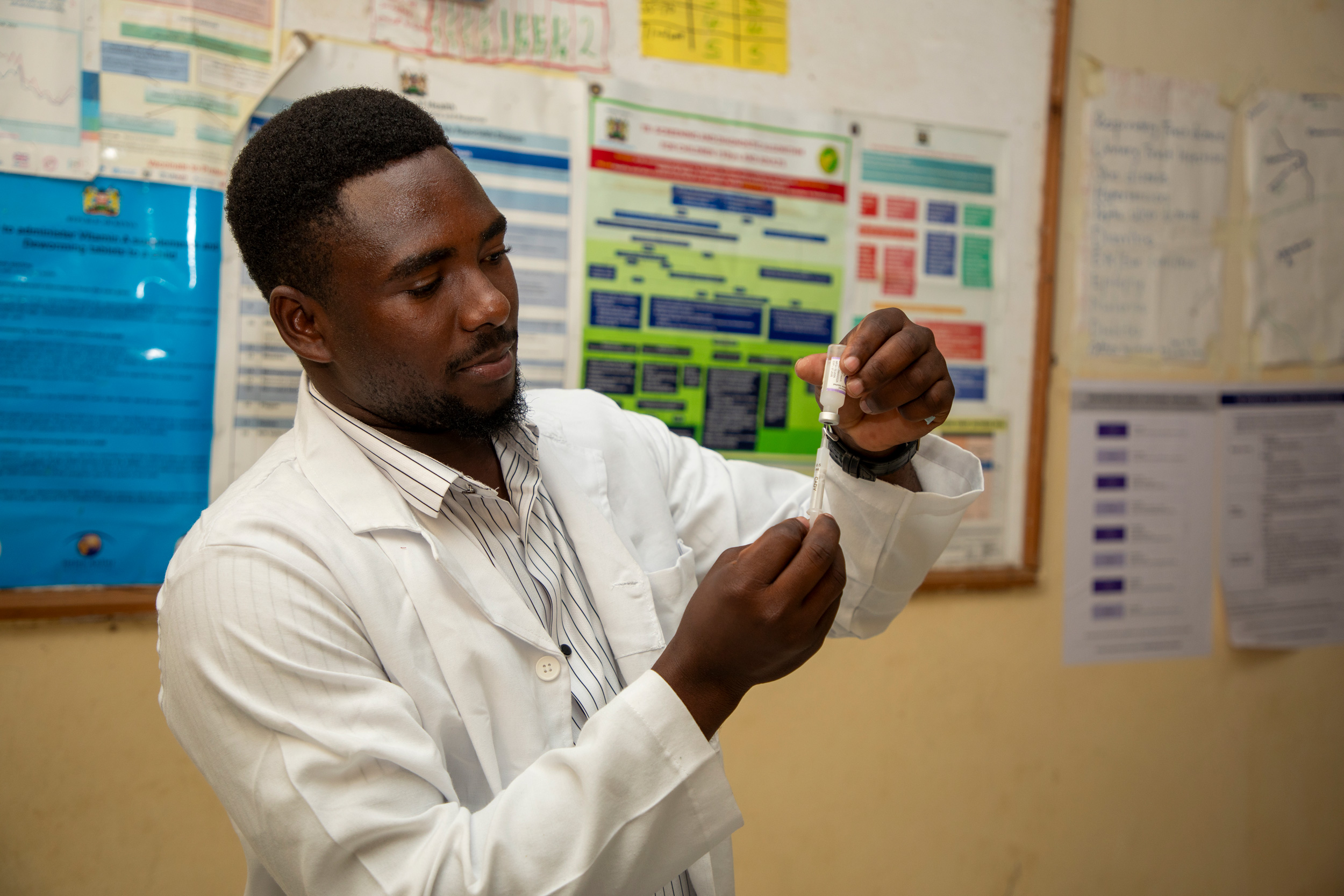
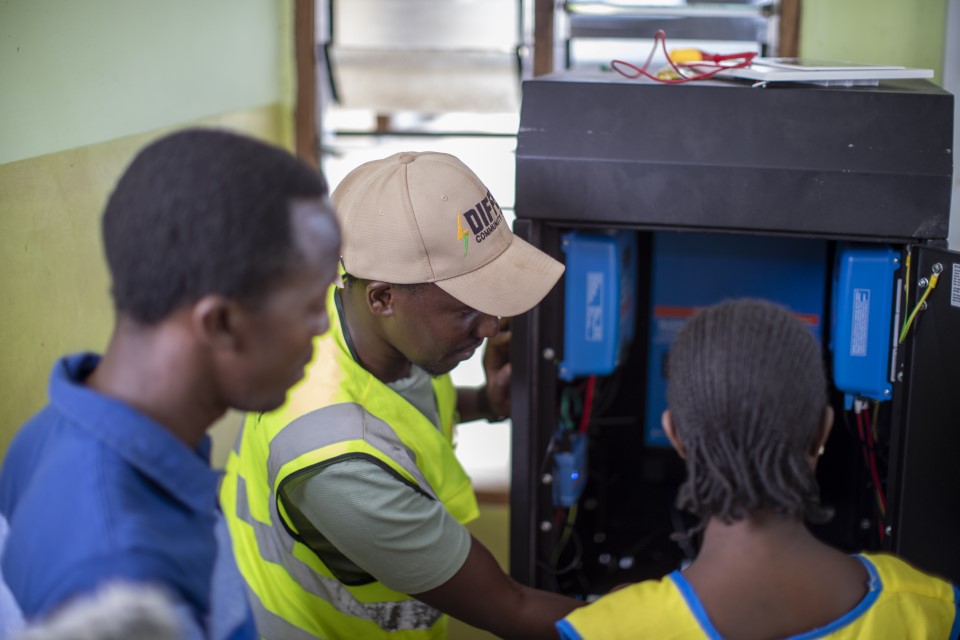
Working with Differ Community Power (DCP), an international provider of solar energy services, we repurposed used electric car batteries to revive dead or dormant solar panels at rural schools and health centres. This scalable project connects communities and reduces e-waste at the same time. It brings long-lasting benefits to everyone, empowering local people to maintain their solar systems by training them on best practices through the use of international standards and conformity assessment.
It also provides vital feedback about how international standards are used, providing a deeper understanding of their true impact on society, which can be used to improve our work even more.
What this means:
→ Reliable electricity restored to schools and health centres
→ Communities equipped for long-term resilience
→ Battery e-waste reused responsibly
→ Community training based on international standards
→ Informing IEC’s technical community on their work
→ A better understanding of international standards’ real-world impact