Imagine a world where technology does not divide us but unites us, where clean energy powers progress, innovation serves humanity and global collaboration dismantles barriers to equity. This is not a distant dream. It is the future we are building, one standard at a time.
As I reflect on 2024, I am reminded that our work is not merely about what we achieve, but why it matters. In an era of accelerating climate disruption and technological transformation, the IEC’s mission to ensure the safety, efficiency and reliability of electrotechnical technologies through standardization is more vital than ever.
Our successes this year are not checkboxes on a list. They are deliberate steps toward a world where technology empowers, rather than excludes.
Honouring legacy, fuelling ambition
In 2024, we celebrated the 200th anniversary of the birth of Lord Kelvin and the150th of Charles Le Maistre, pioneers who believed standardization could uplift humanity. Their vision endures in our modern mandate: to ensure that technological progress does not leave anyone behind. How? By embedding equity into the DNA of innovation.
Take our Global Impact Fund. In Kenya, we helped show local communities how to leverage standards to transform secondlife lithium batteries into solar power systems for schools and clinics. This was not just about engineering. It was a strategic choice to address energy poverty – a root cause of inequality – while advancing circular economies. Today, 65% of the young engineers driving this project are women, proving that inclusive growth begins with inclusive opportunity.
The strategic imperative behind our work
Every standard we develop answers a critical question: How do we align technological progress with societal needs?
Digital transformation: Our first fully digital international standard, born from the collaboration of 8 000 experts on the Online Standards Development (OSD) platform, is a technical milestone.
Carbon neutrality: By launching carbon footprint verification services, we equipped industries to transition from “doing less harm” to actively regenerating ecosystems. This is how standards become catalysts for systemic change.
Partnerships: Our alliances with 40+ organizations, from the UN to grassroots innovators, are not mere handshakes. They are bridges between policy and practice, ensuring that safe, sustainable technologies reach those who need them most.
2025: Focus on strategy
In 2025, we will deepen our commitment to strategic foresight:
1- Smart ecosystem expansion: Real-time, customizable standards will empower industries to adapt to disruptions like AI and climate volatility, not just react to them.
2- COP30 Blue Zone Pavilion: Building on the success of our presence in Baku in 2024, we will engage with global leaders to scale climate solutions through standards. Why? Because net-zero pledges mean little without interoperable systems to measure them.
3- AI Standards Summit: With ISO and ITU, we will shape ethical AI frameworks that prioritize human dignity over profit, inspired by the UN’s Global Digital Compact.
A call to collective courage
To our members, experts and partners: you are not just contributors. You are architects of a fairer future. When Kenyan children study under solar-powered lights, when young professionals help us to redefine energy systems and when industries adopt circular practices, it is because you chose to act.
But the road ahead demands more. Climate disasters widen divides. The ethical challenges of AI are continuing to grow. The question is not whether we can meet these challenges, but whether we will meet them together.
If you are not yet with us, join us. If you are already with us, push further. An all-electric and connected society is not a vague aspiration. It represents a future we are engineering today, for generations we will never meet but must never fail.
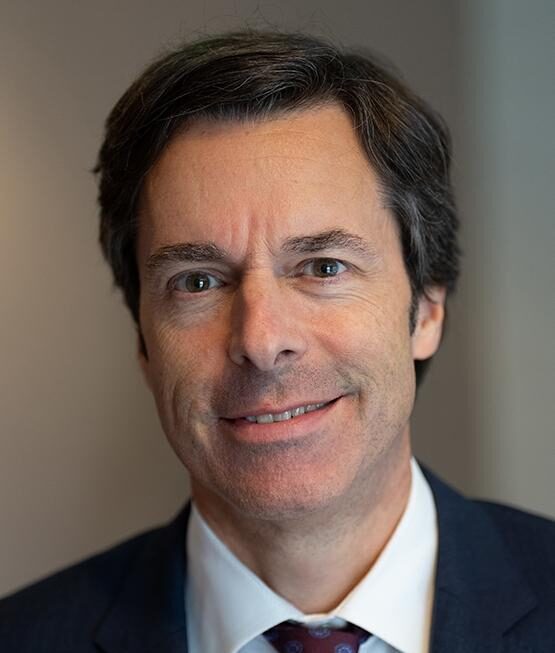
Philippe Metzger IEC Secretary-General & CEO
PROGRESS
Advancing together through transformation and collaboration