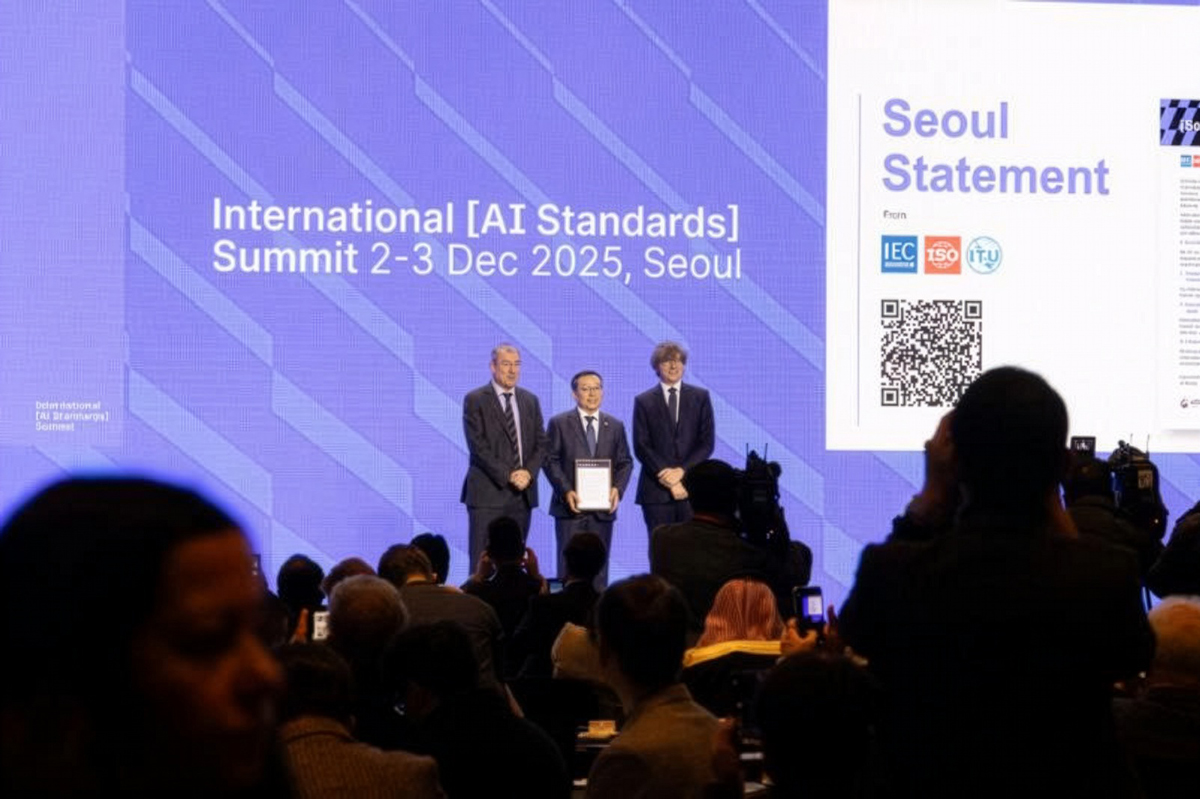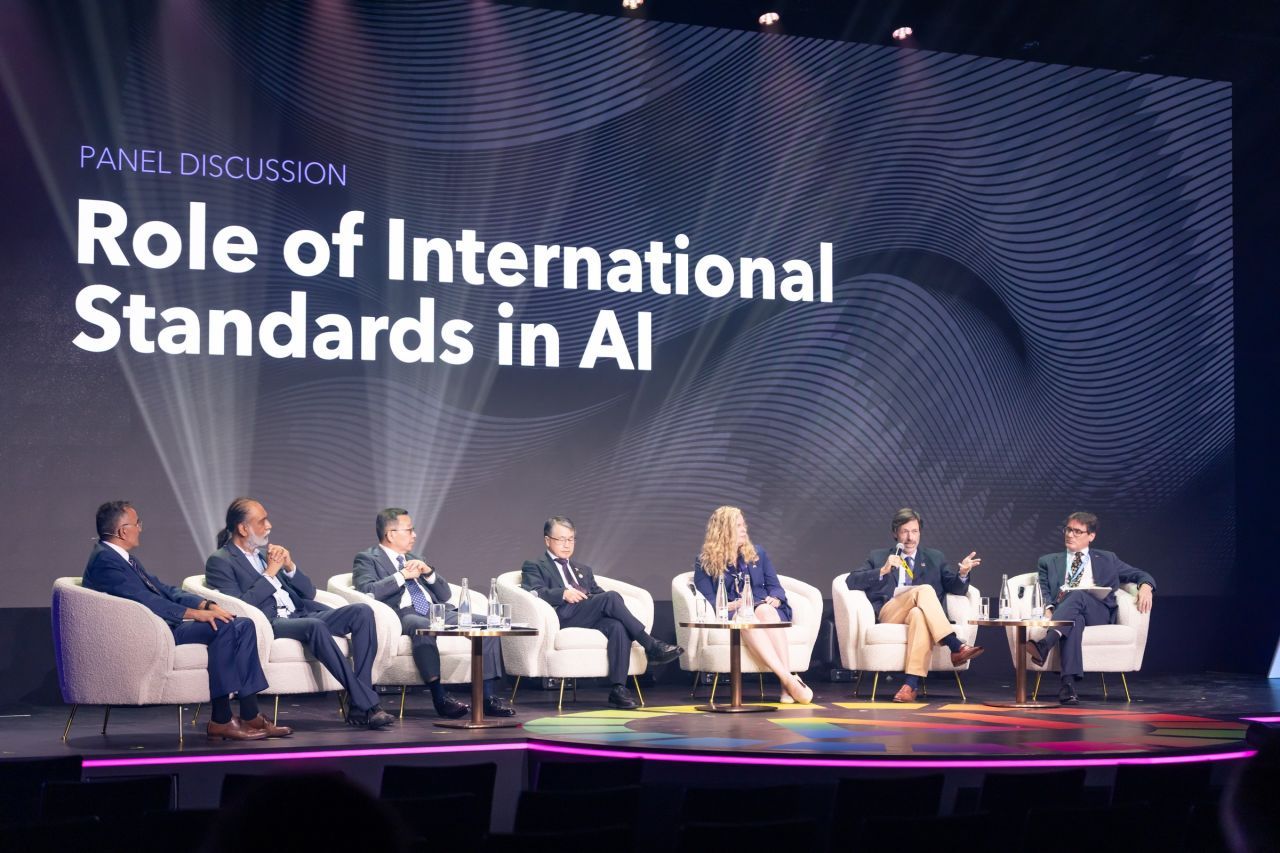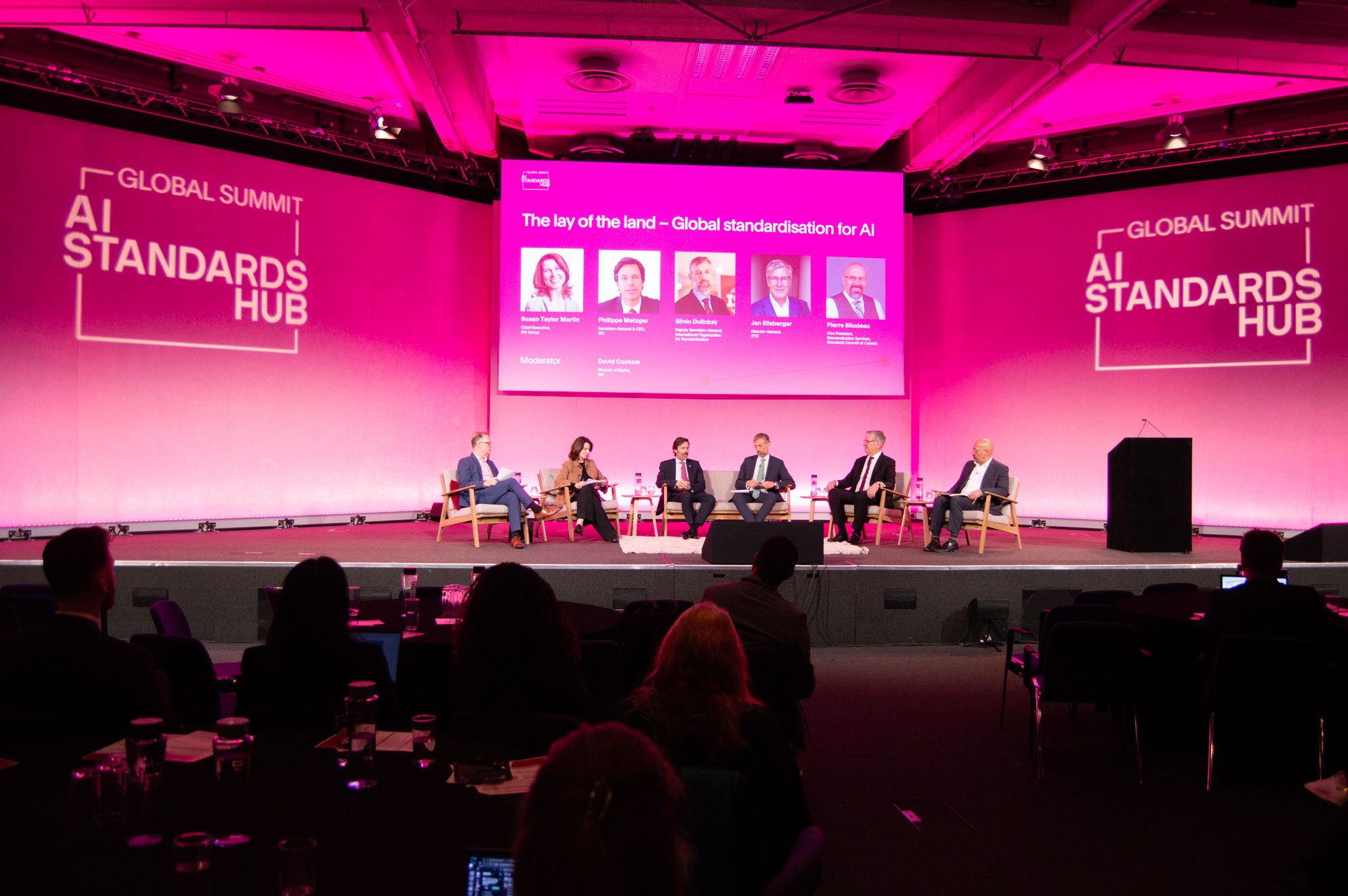


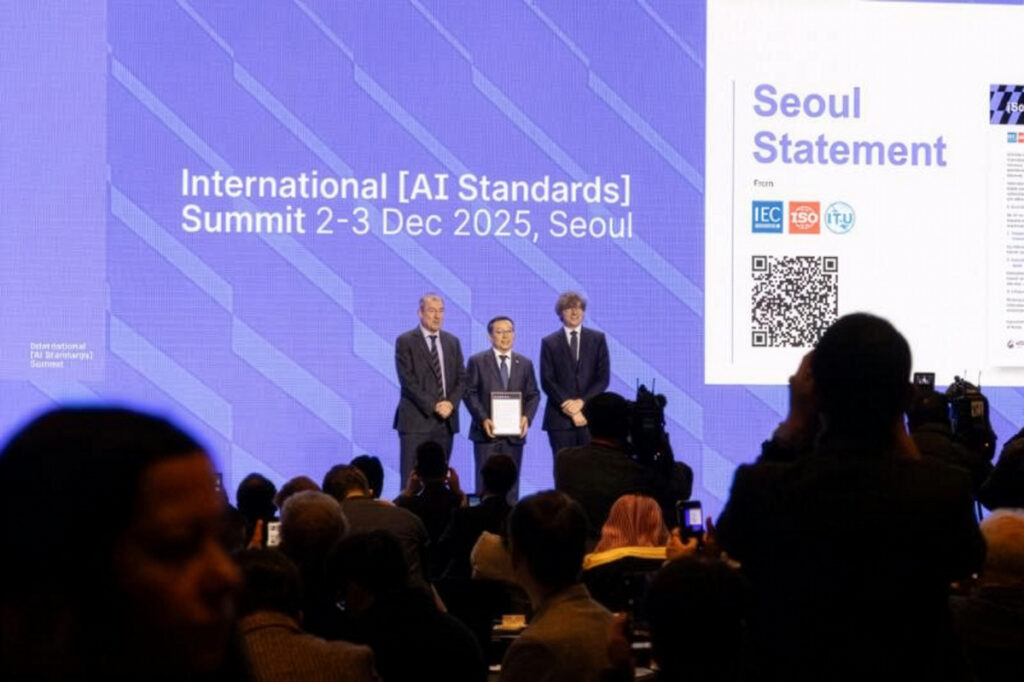







IEC and ISO work through ISO/IEC JTC 1/SC 42 to develop standards for the AI ecosystem. Recent standards address transparency, impact measurement, testing and certification requirements for AI management systems. The International AI Standards Summit in Seoul reinforced a shared commitment to ethical, human-centred AI.
AI generated content (AIGC) offers the potential to transform numerous industries by enabling users to interact with machines more naturally, solve previously unsolvable problems and enhance productivity and decision-making like never before.
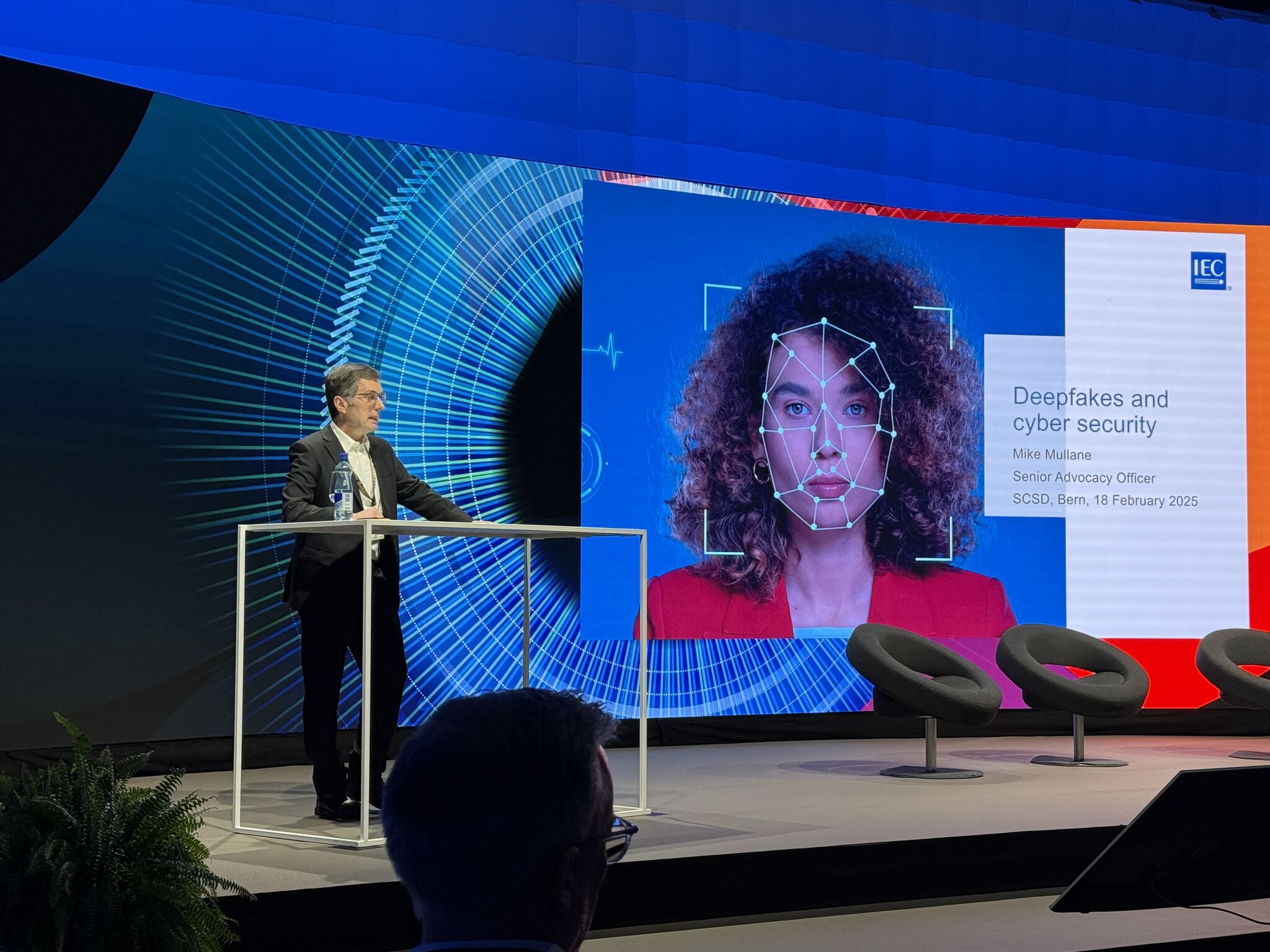
In a world where cyber security is a rising global concern, the use of biometrics for authentication is also increasing, being a robust and reliable way of identifying individuals. But biometrics are not completely cyber secure, with techniques such as morphing that threaten to outwit biometric systems. International standards help reduce these risks by providing requirements for biometric security and enabling interoperability.
In 2025, a number of governments introduced social media bans for children, supported by age verification laws that seek to prevent children from accessing age–restricted sites. But age verification technologies come with their own set of complexities, notably around privacy and data issues.
The technology behind brain–computer interfaces (BCI) is evolving rapidly, and international standards are essential tools to support the safe, ethical and responsible deployment of BCI technology.
IEC’s industrial metaverse trend report explores privacy, ownership, safety and sustainability questions, and identifies where standards will be essential as the technology matures.