




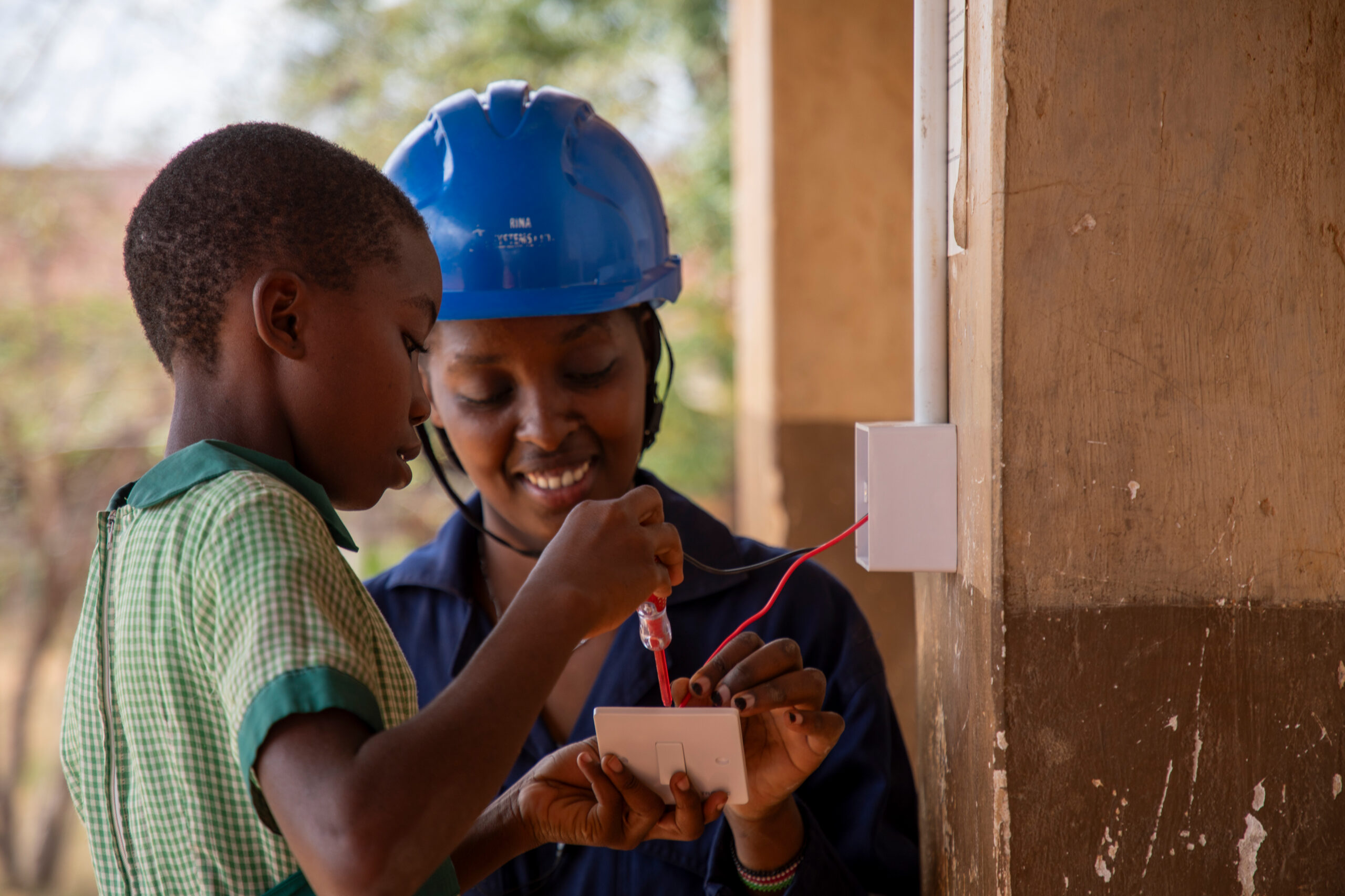
Sustainability in action

International standards and conformity assessment systems are helping industries and governments accelerate the clean energy transition while ensuring safety, reliability and interoperability.
Impact summary
  • Global presence at COP30
  • New standards and deliverables for renewable energy
  • Supporting the electrification of transport
  • Reducing emissions from technology

Clean energy transition

Fostering a
sustainable world

From smart grids to energy storage, from eco-design to circular economy principles, IEC work provides the foundation for the transition to sustainable systems through international technical standards and conformity assessment frameworks.

Global survey insight

A 2025 global survey showed that respondents care greatly about environmental sustainability and want stronger in-country leadership, particularly in renewable and sustainable energy solutions.

A pathway from climate ambition to practical systems

Climate action
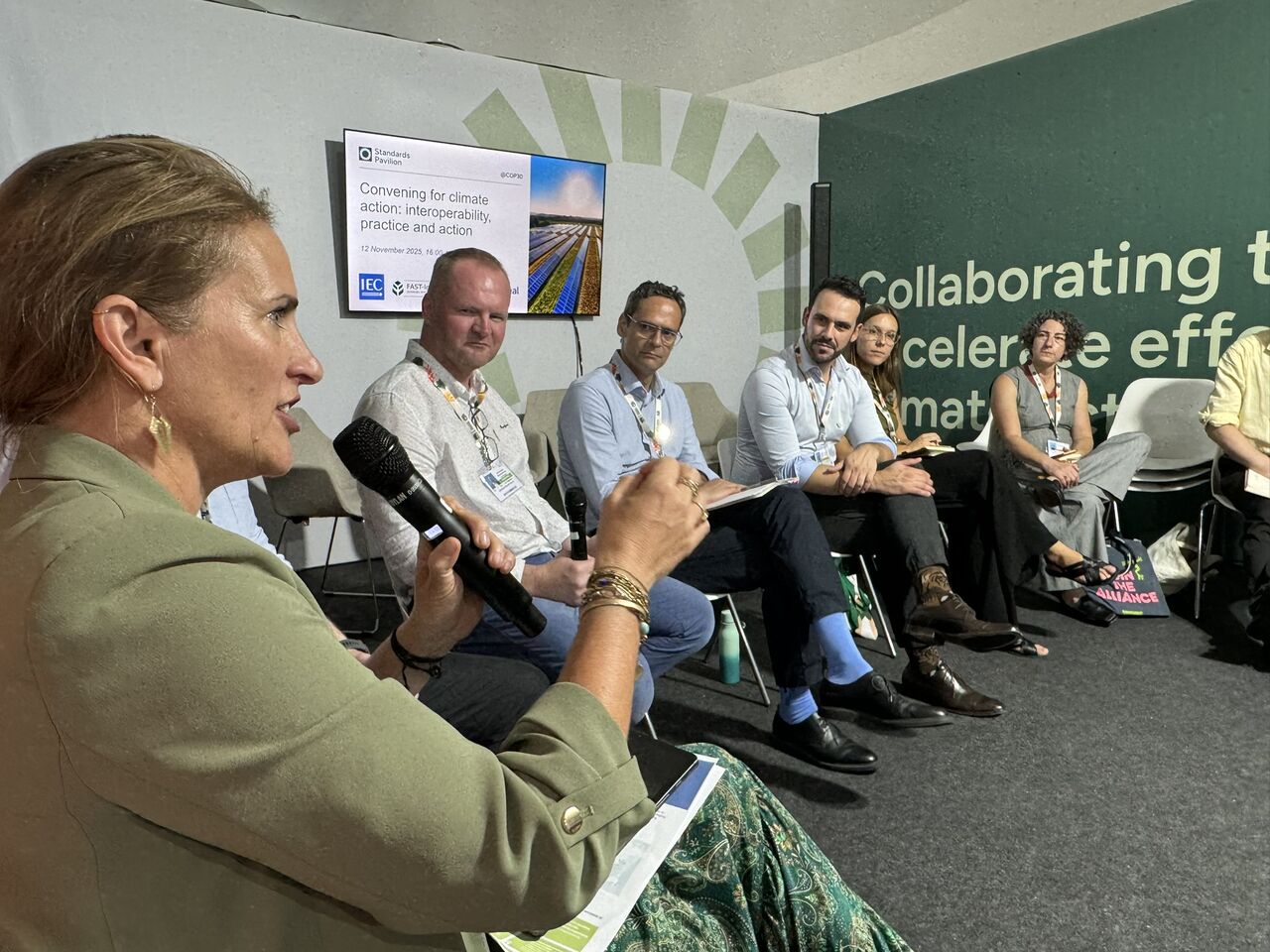
Leading on standards and conformity assessment at COP30
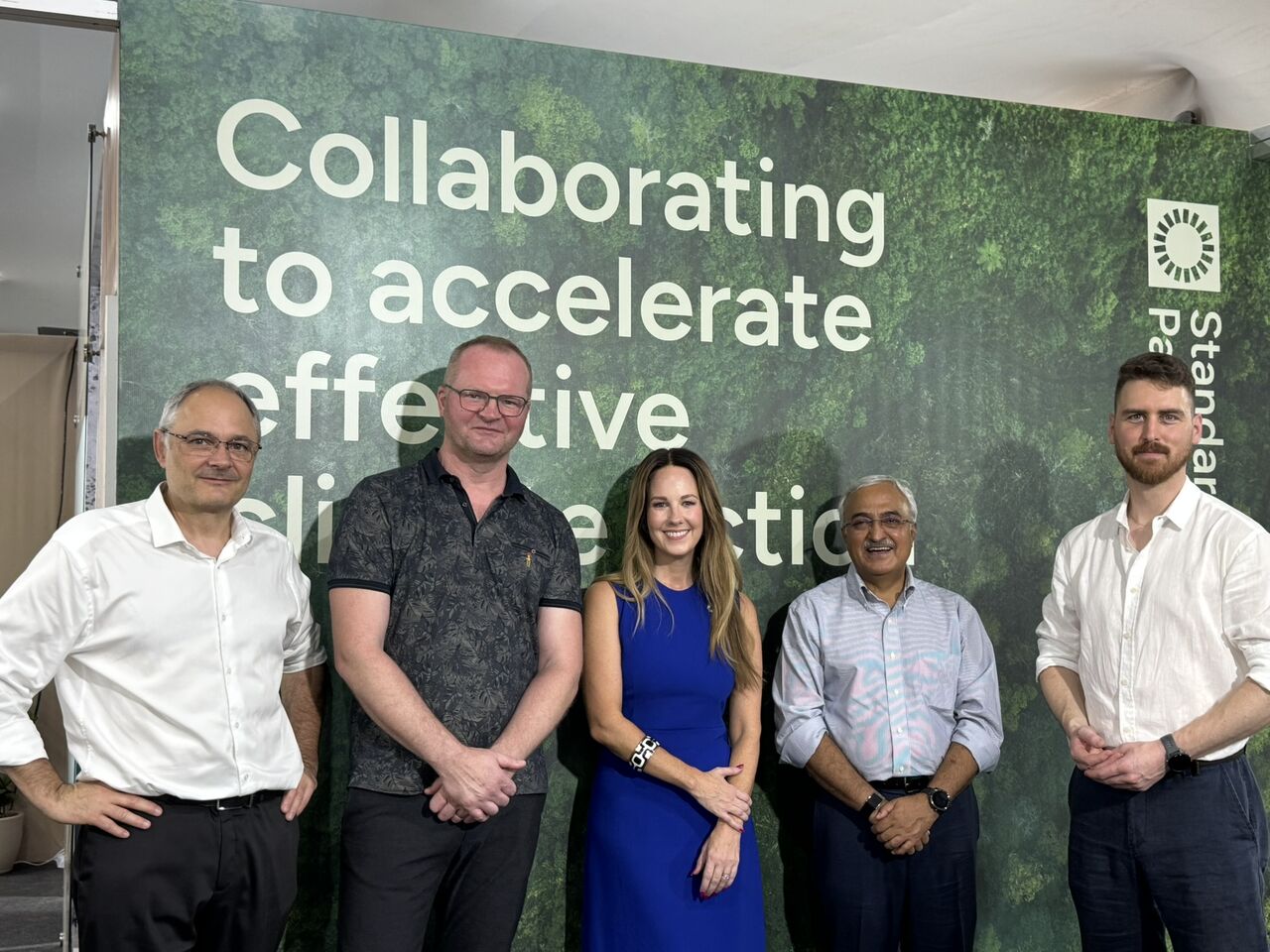
For the second year, IEC joined ISO, UL Standards and Engagement and 18 other global organizations at the Standards Pavilion at COP30, helping embed international standards into the climate agenda.
Renewable energy
Advancing renewable energies
Renewable power capacity is expected to play a vital role in the clean energy transition. IEC work supports renewable energy systems so they can operate safely and efficiently, from floating offshore wind to small hydro and emerging photovoltaic technologies.
Smart cities
Towards more sustainable cities
The IEC Systems Committee for Smart Cities works across committees and standards organizations to understand city needs. In 2025, IEC and ISO created ISO/IEC JTC 4 for smart and sustainable cities and communities.
Clean transportation
Supporting the electrification of transport
New standards support low-carbon rail through onboard fuel cell power systems and help define how electric vehicles can act as distributed energy resources for the grid.
Circularity and emissions
Reducing emissions from technology
Standards support responsible e-waste management and help address the environmental impact of AI systems across their life cycle, including resource use, carbon impact, pollution and waste..
Wind energy
IEC 61400-3-2

Design requirements for floating offshore wind turbines, helping ensure engineering integrity over their planned lifetime.

Hydro and solar
IEC 61116:2025 + Emerging PV

Guidance for small hydroelectric installations and insight into emerging photovoltaic technologies such as perovskite.

E-waste
IEC 63395

Guidance on sustainable management of waste electrical and electronic equipment across the full value chain.

Carbon footprint verification A new benchmark for transparency

In 2025, three technology industry leaders became the first global companies to obtain IECQ carbon footprint of product verification certificates under the new portfolio of verification services launched in 2024.

First verified companies

  • Asus
  • Acer
  • Fwusow

Explore the
sustainability section

Read the complete annual report section for detailed context on COP30, renewable energy standards, smart cities, clean transportation, e-waste, AI sustainability and carbon footprint verification.

EVERY ACHIEVEMENT STARTS WITH PEOPLE​

The power of collaboration

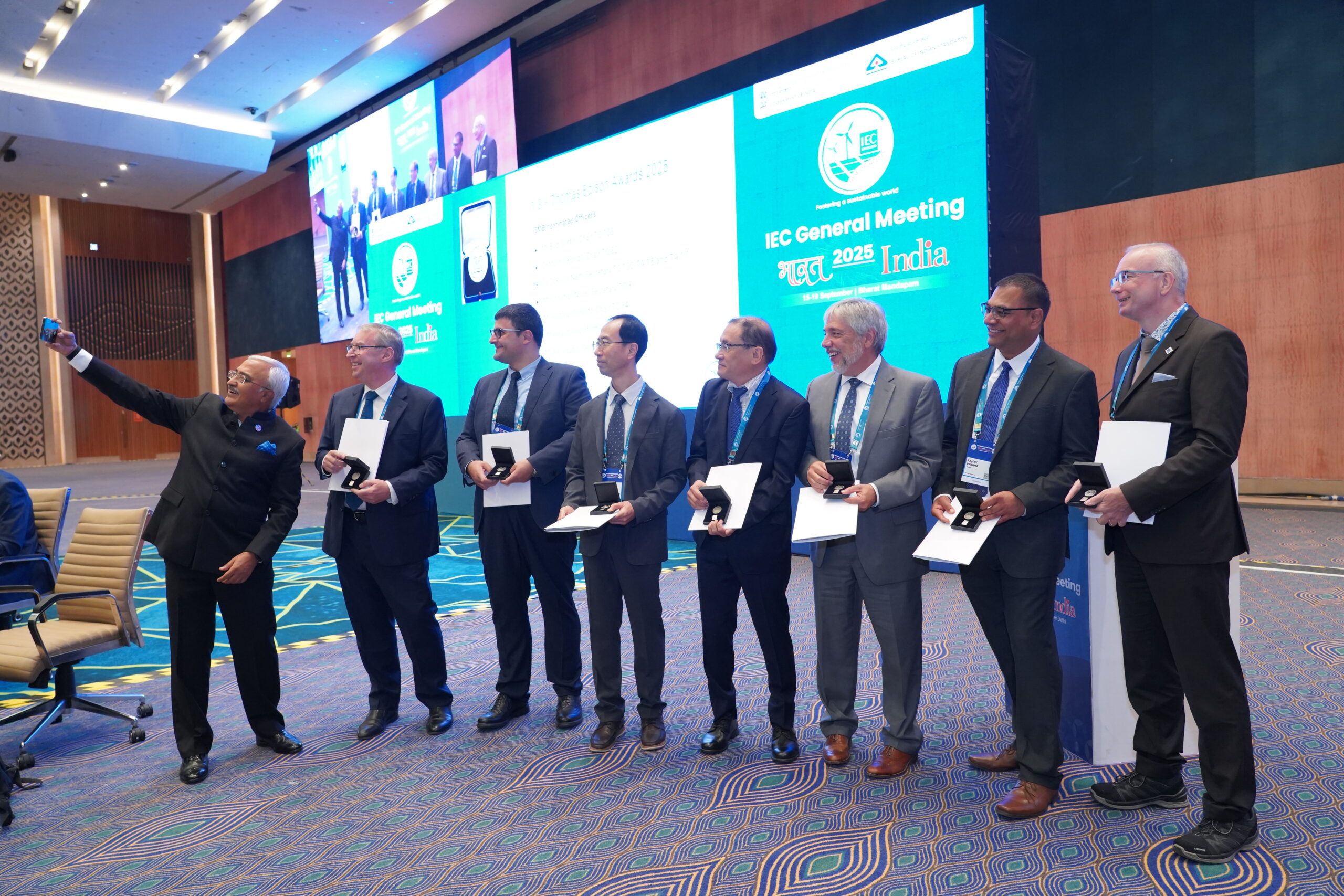
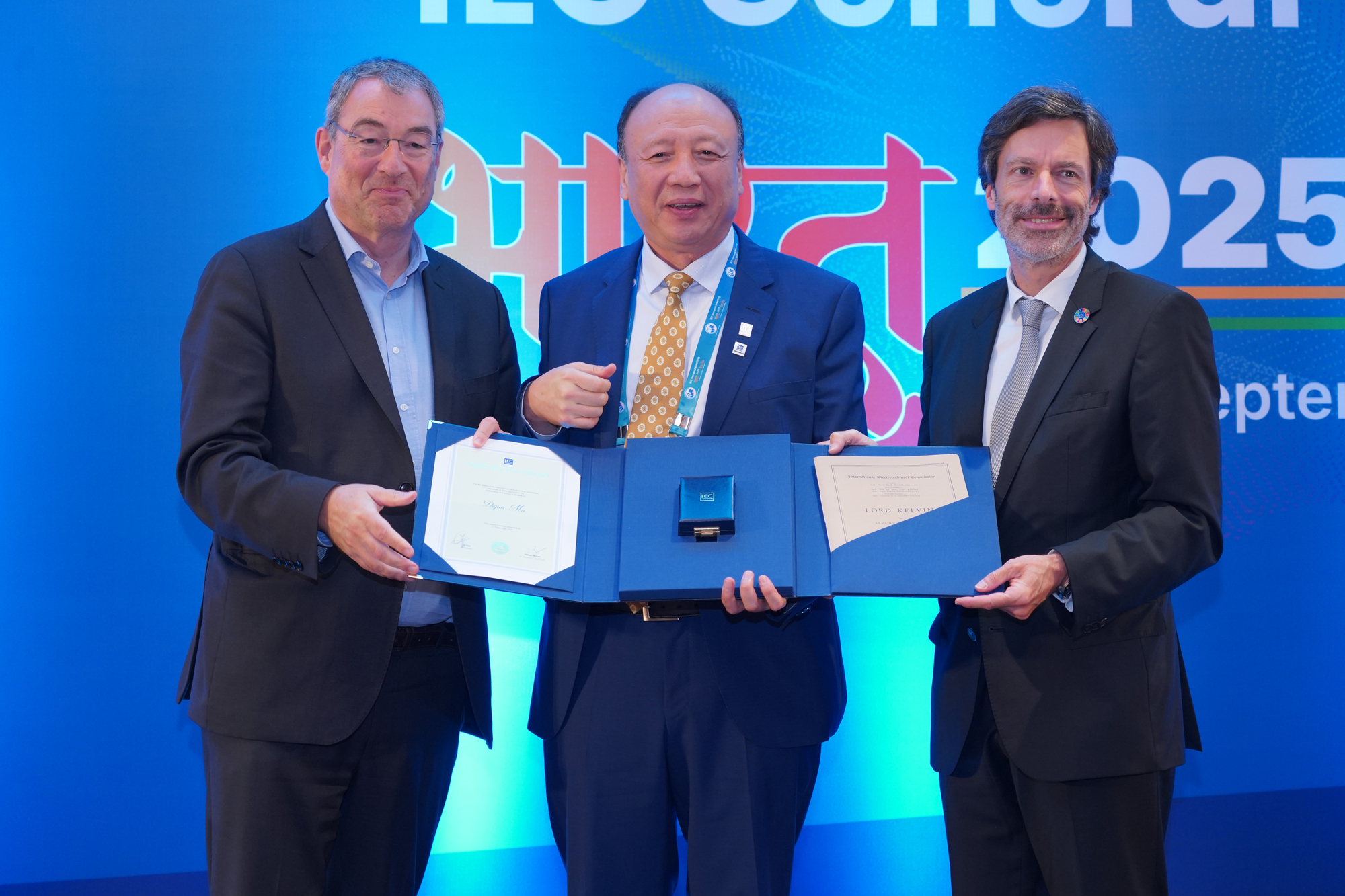
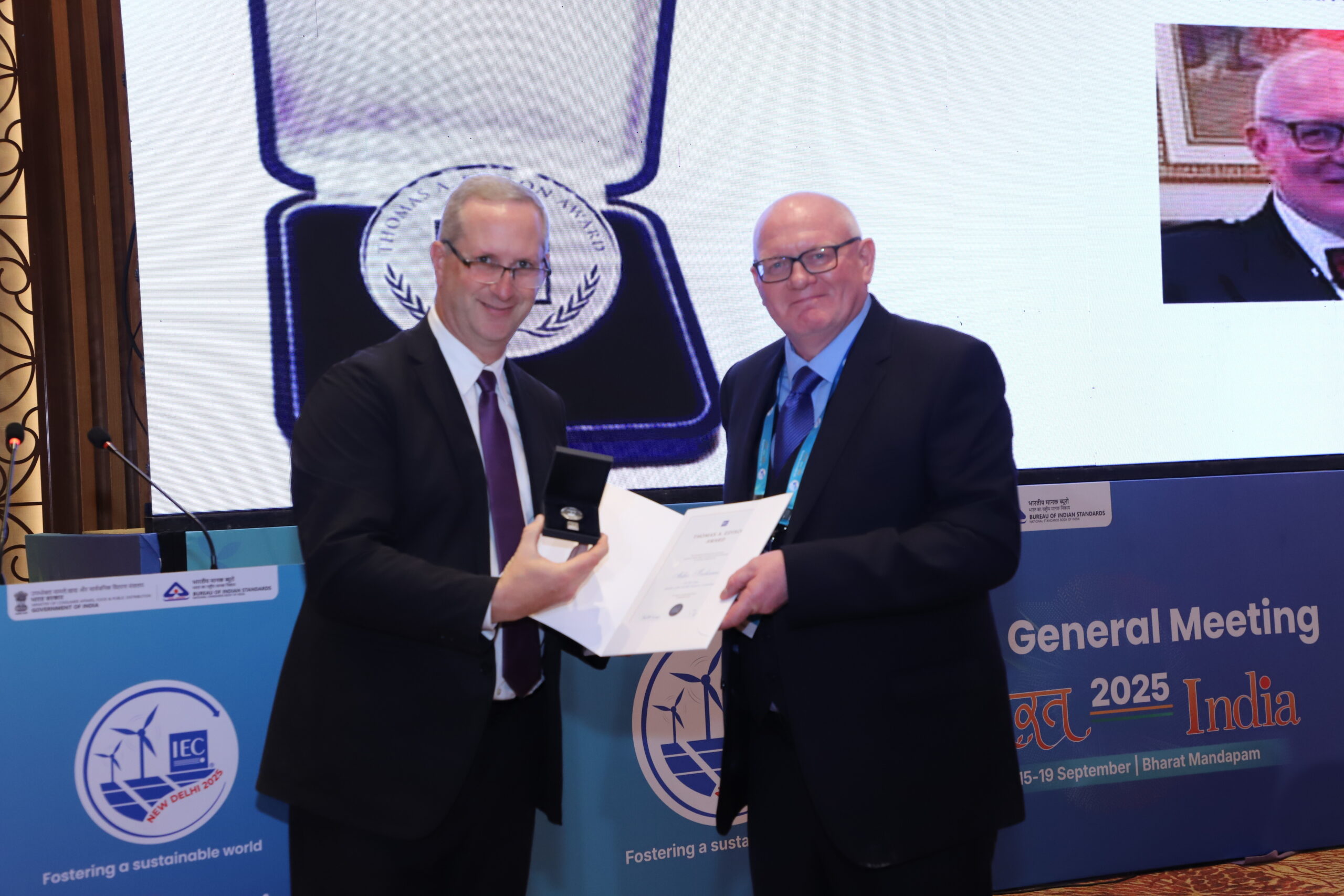
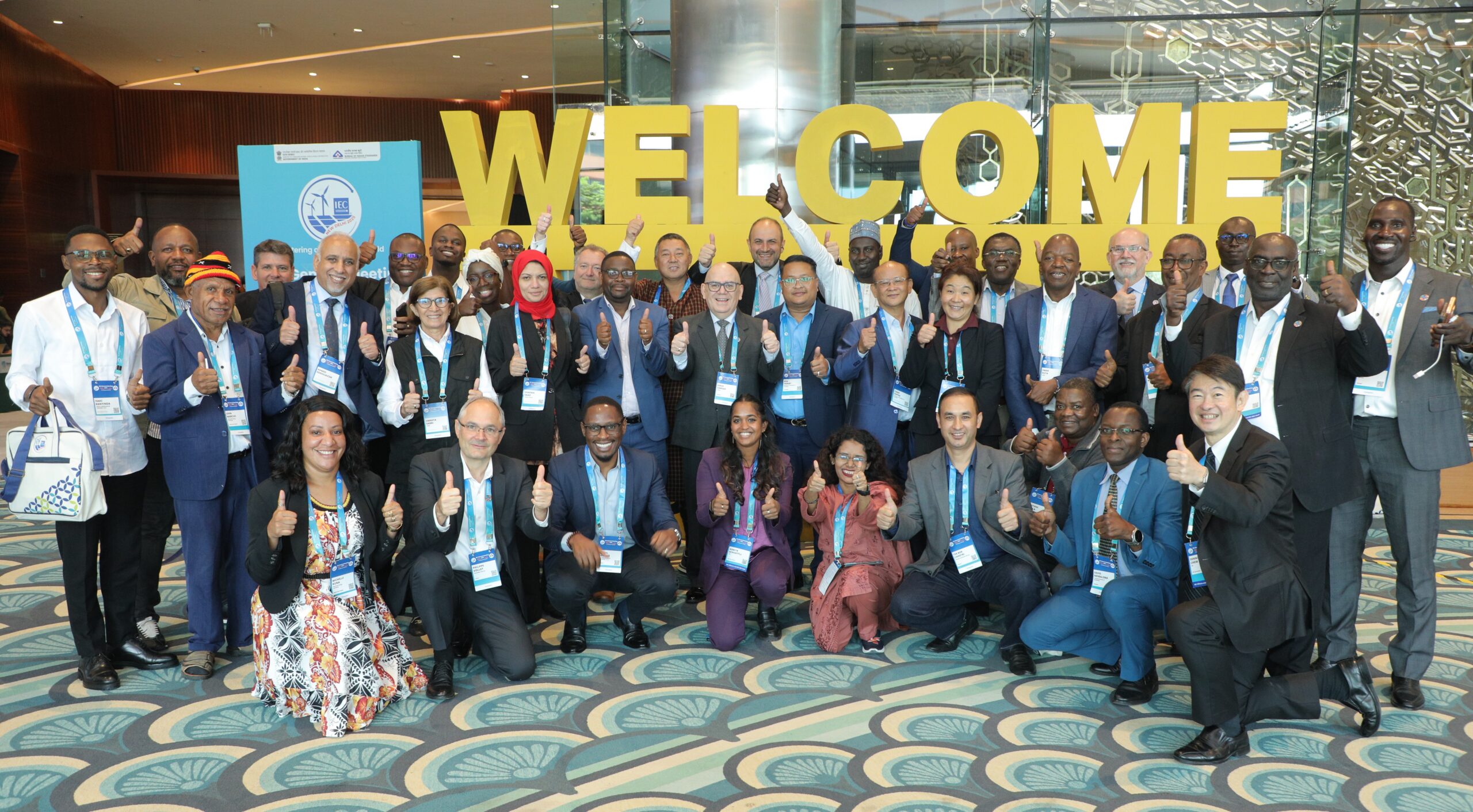
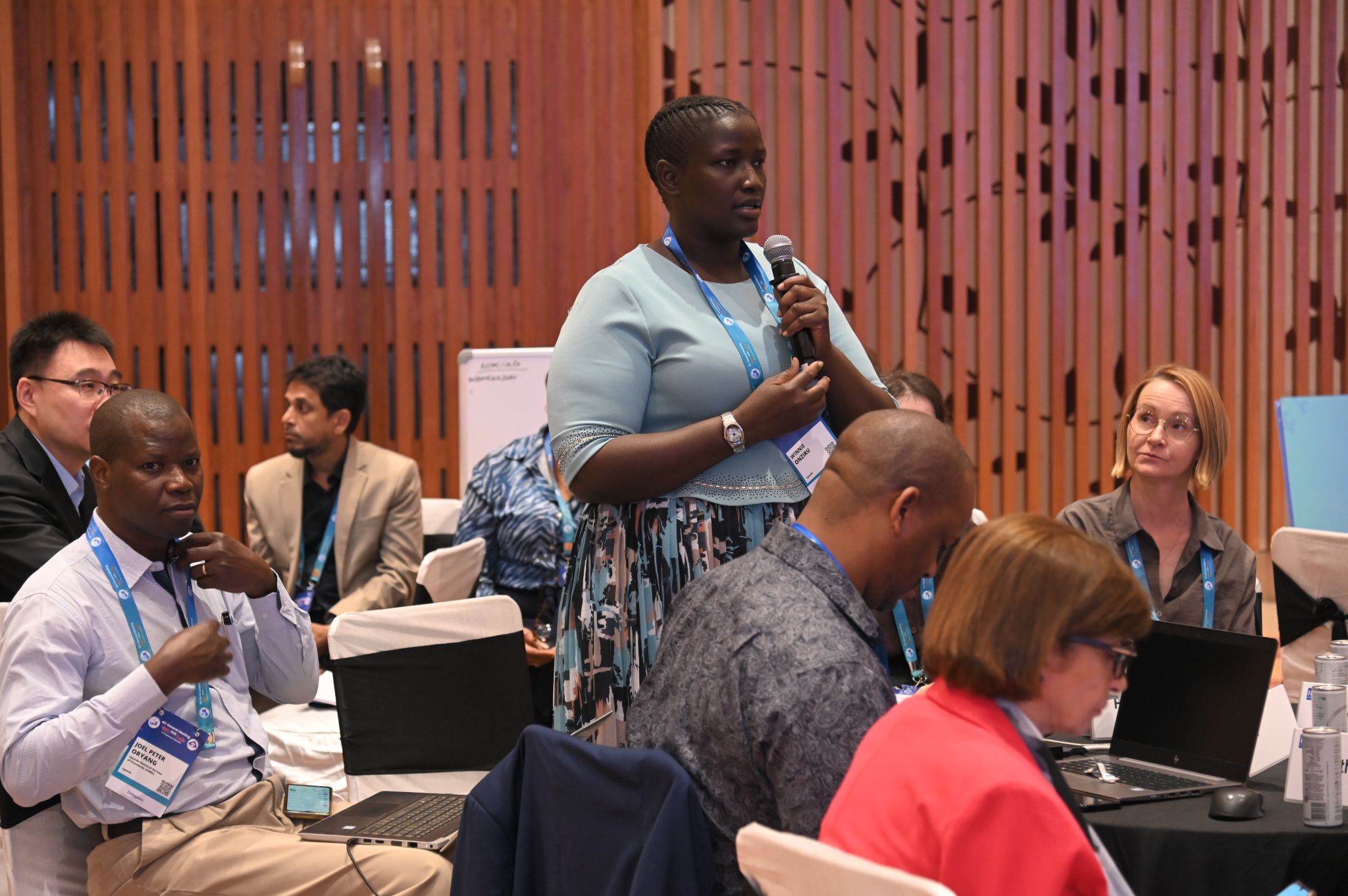
People are at the heart of everything we do, and our achievements reflect the dedication, expertise and shared purpose of the entire IEC community. Below is a snapshot of some of the defining moments of collaboration and innovation that have shaped our work over the past year.