


Energy for all

666.4m people still lack access to electricity

According to UN estimates, 85% of them live in Sub-Saharan Africa. More progress is needed to reach universal access by 2030.
Our international standards and conformity assessment systems are enablers of energy access. They are valuable drivers in helping us realize our mission where everyone, everywhere, will have access to affordable, clean and sustainable energy.
IEC Global Impact Fund

Turning standards
into tangible benefits

Through the Fund, we partner with organizations who can help us turn the value of the work we do in electrical, electronic and ICT standards and conformity assessment into tangible benefits for the communities who can benefit from them most.  

Empowering Kenyan communities

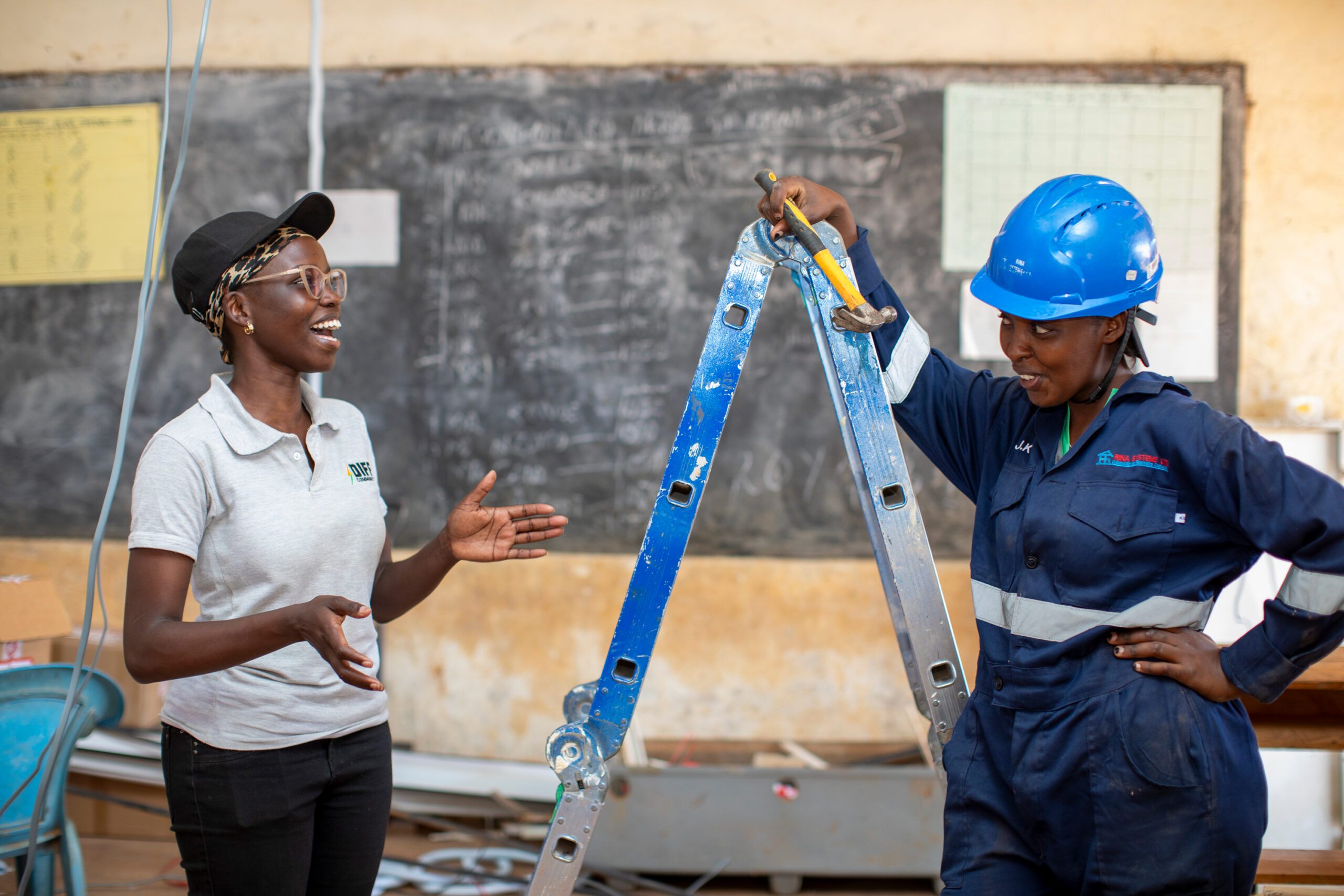
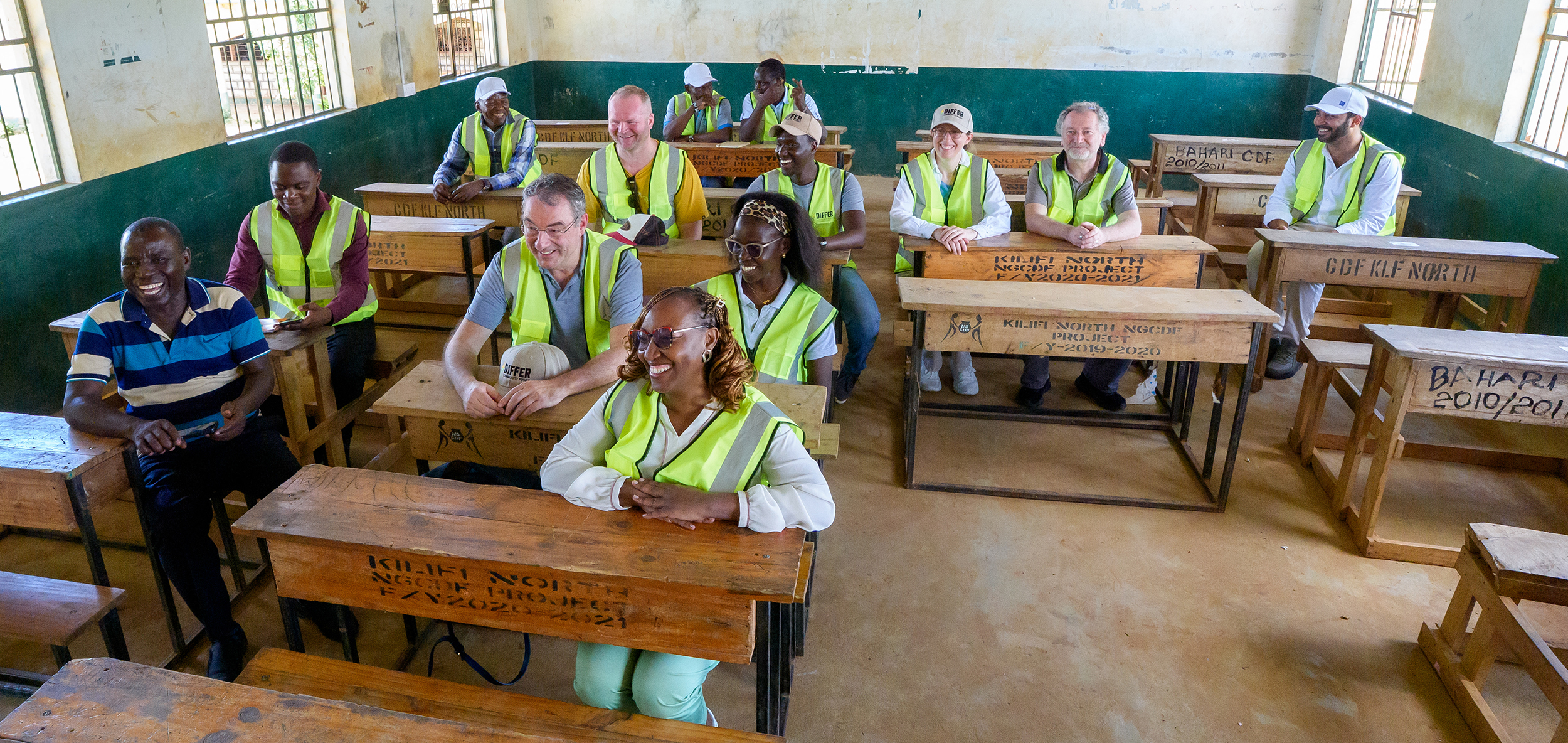
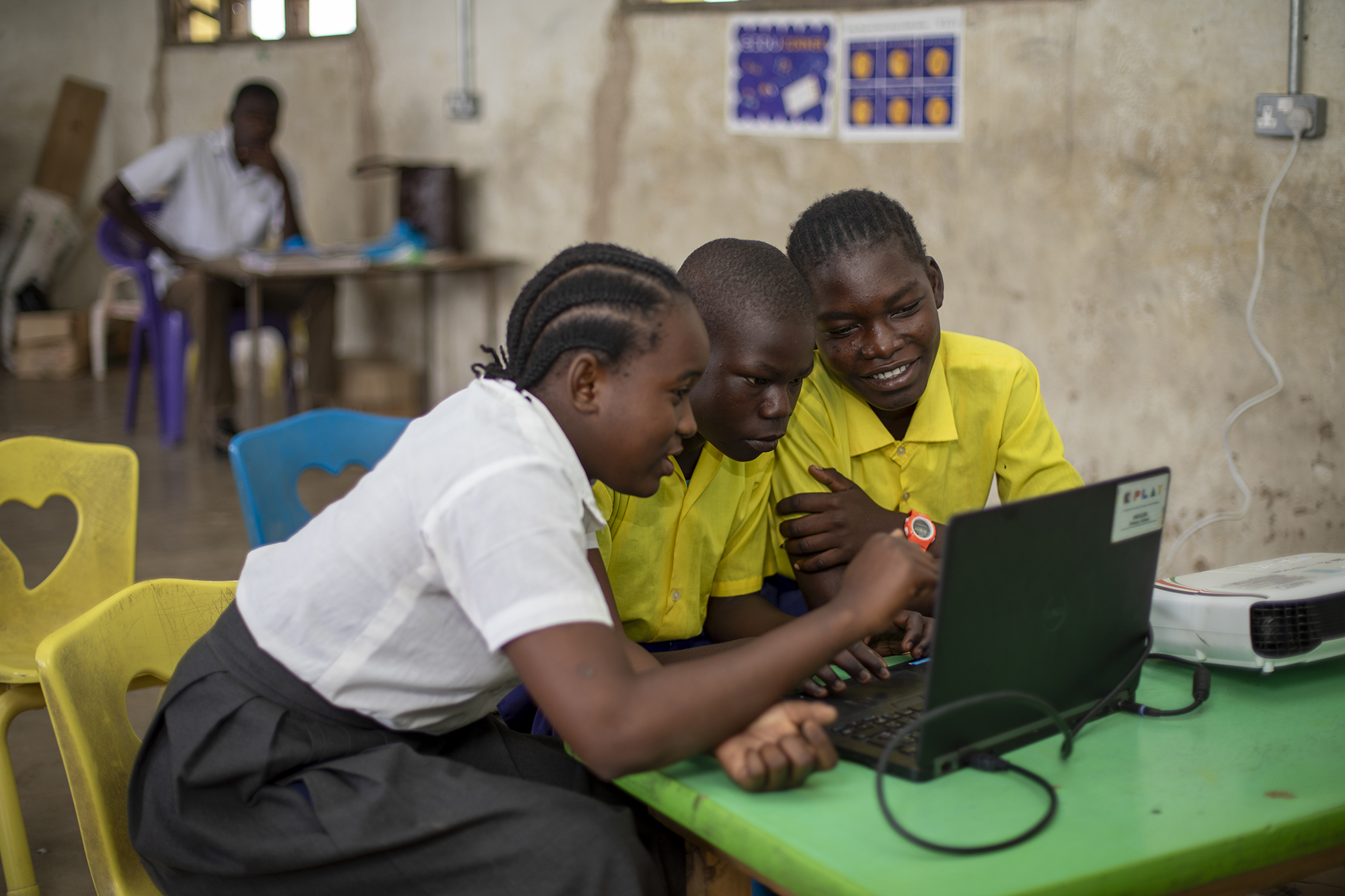
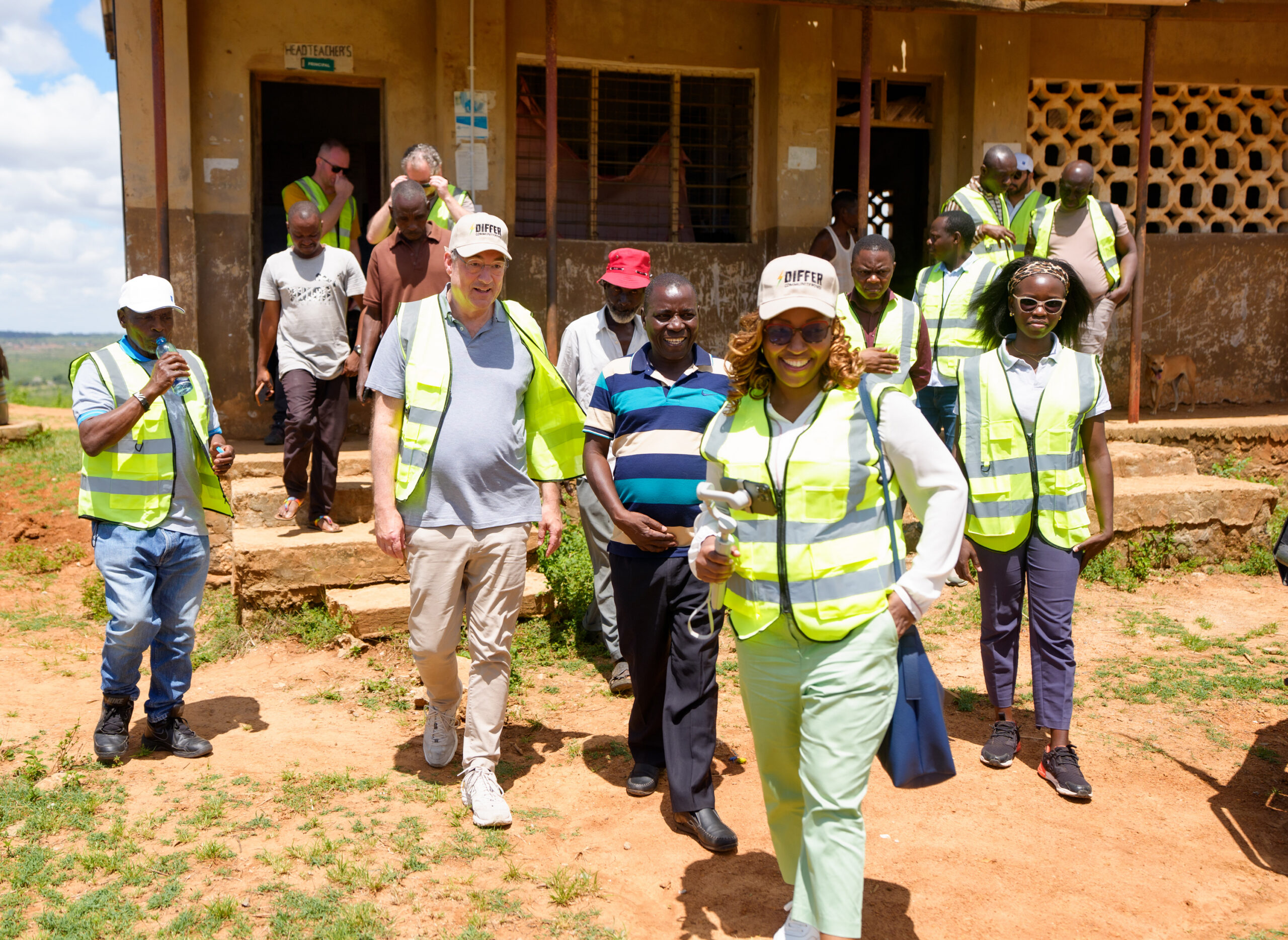
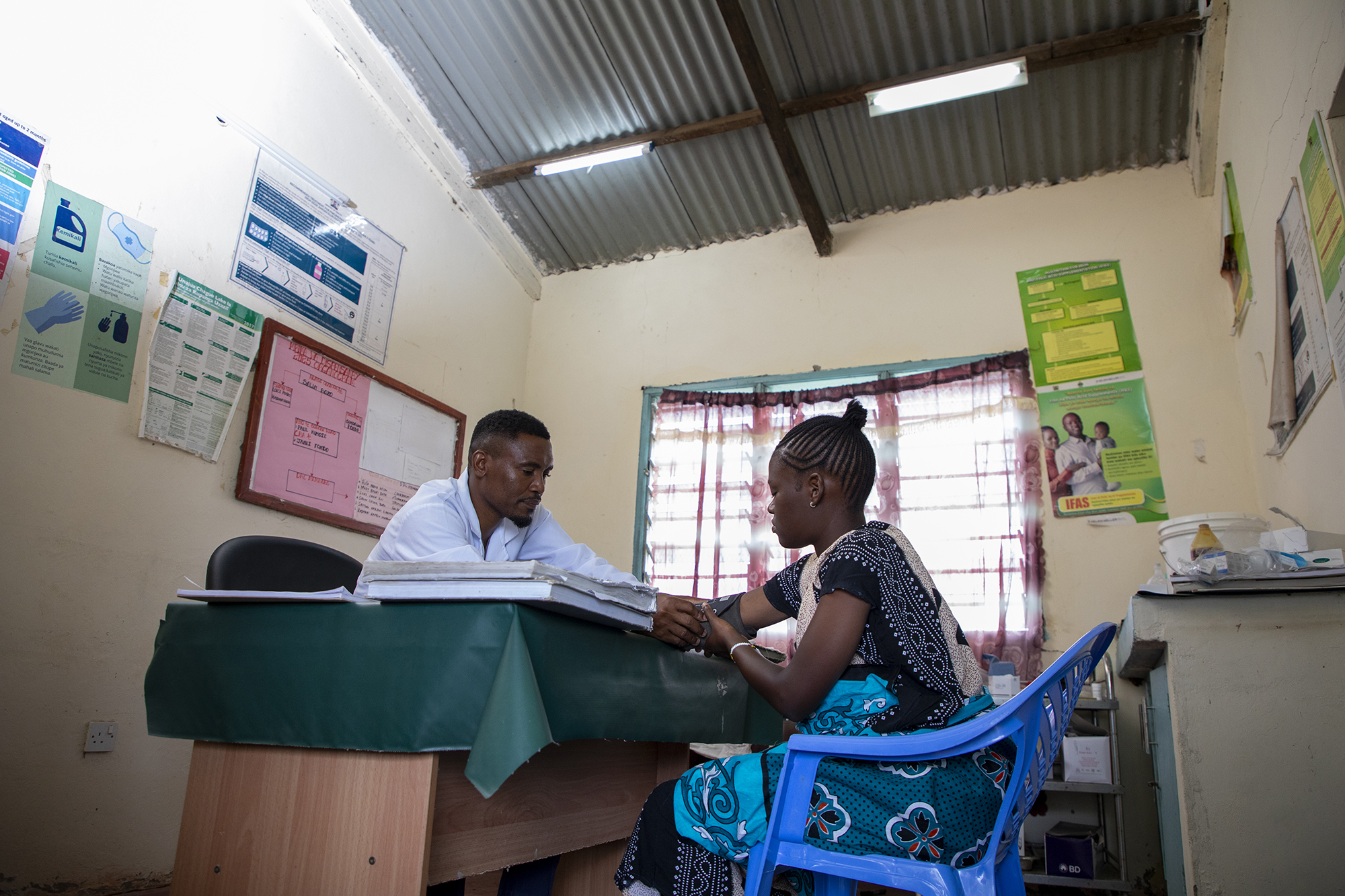
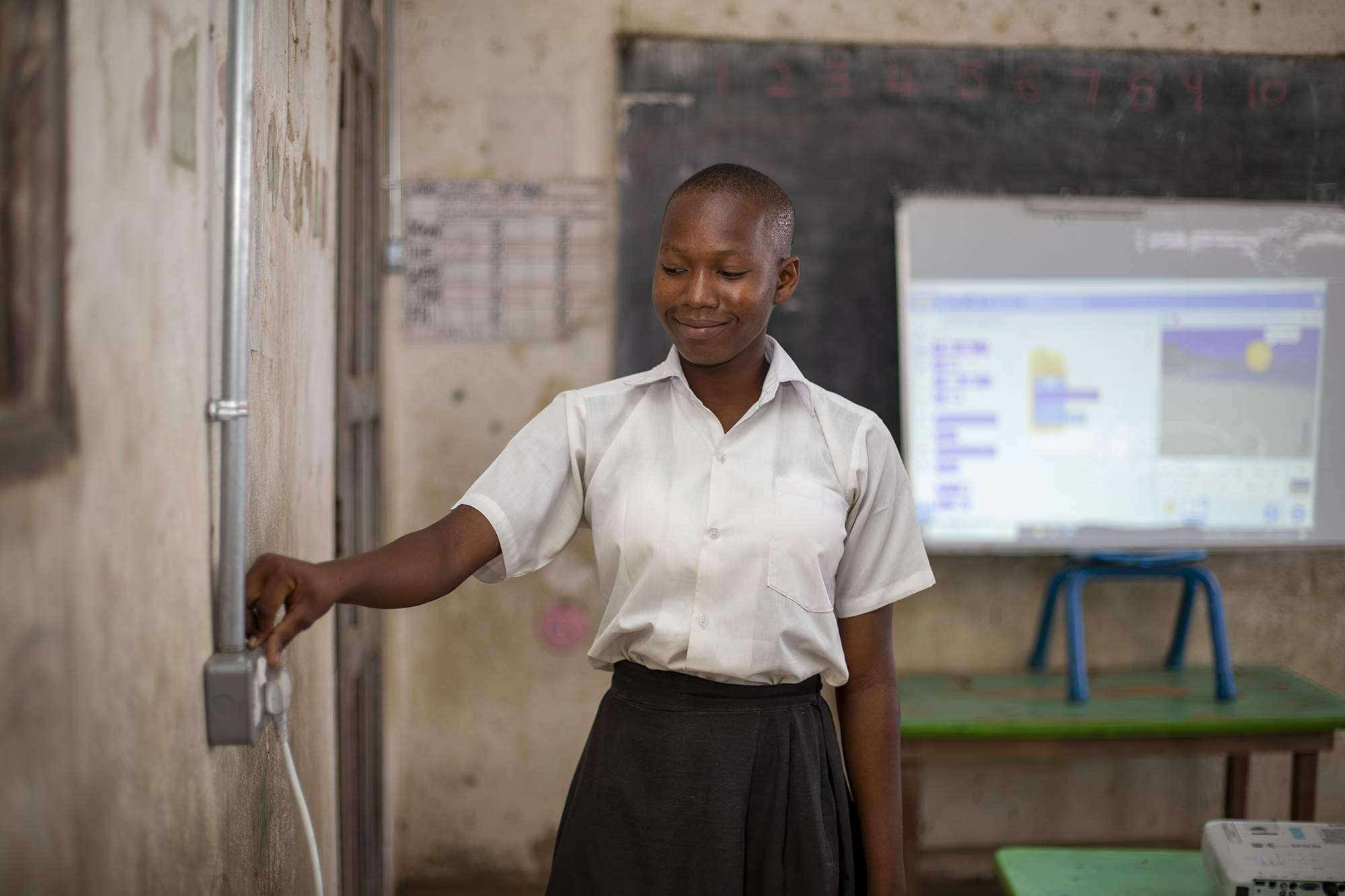
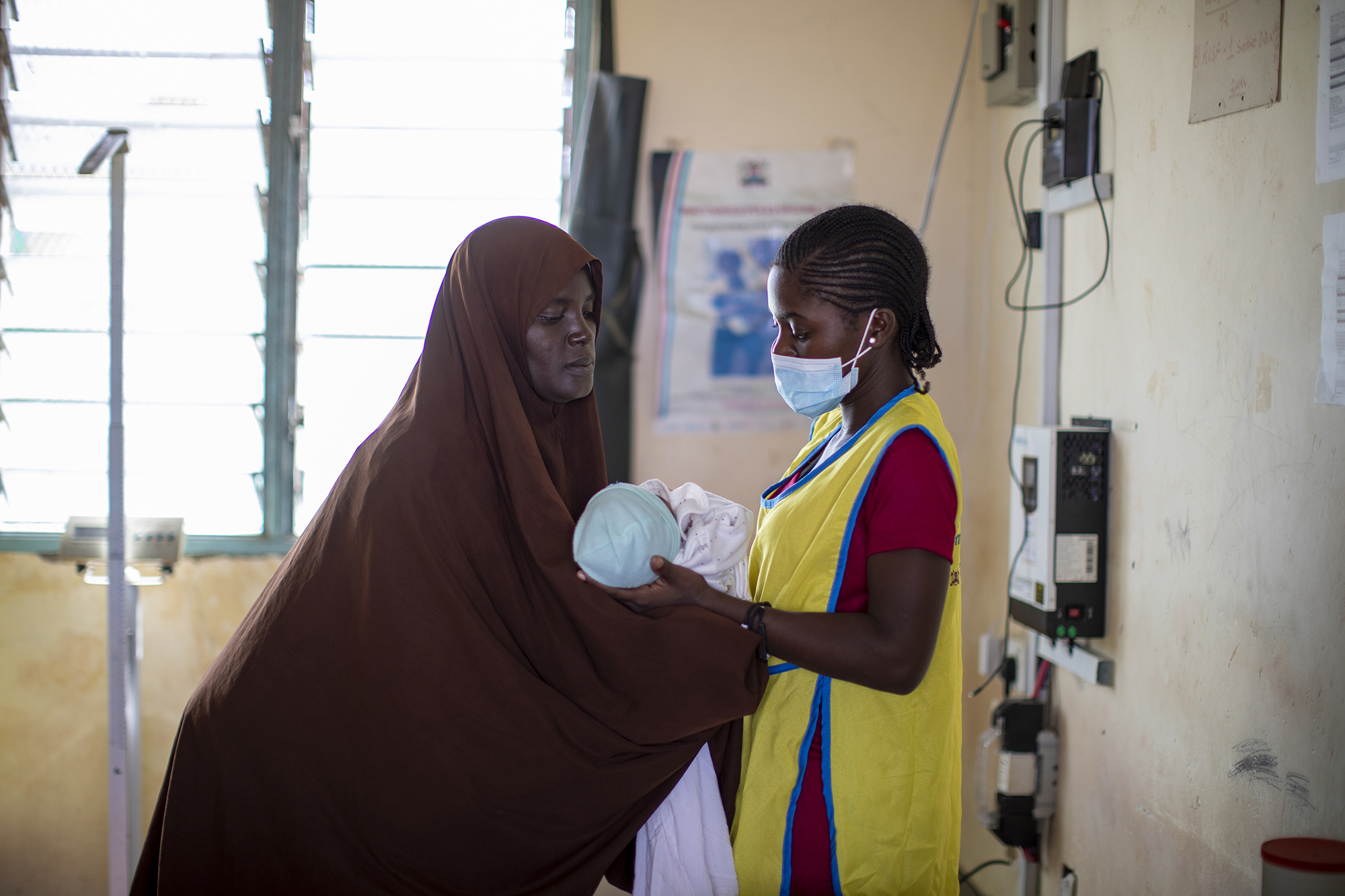
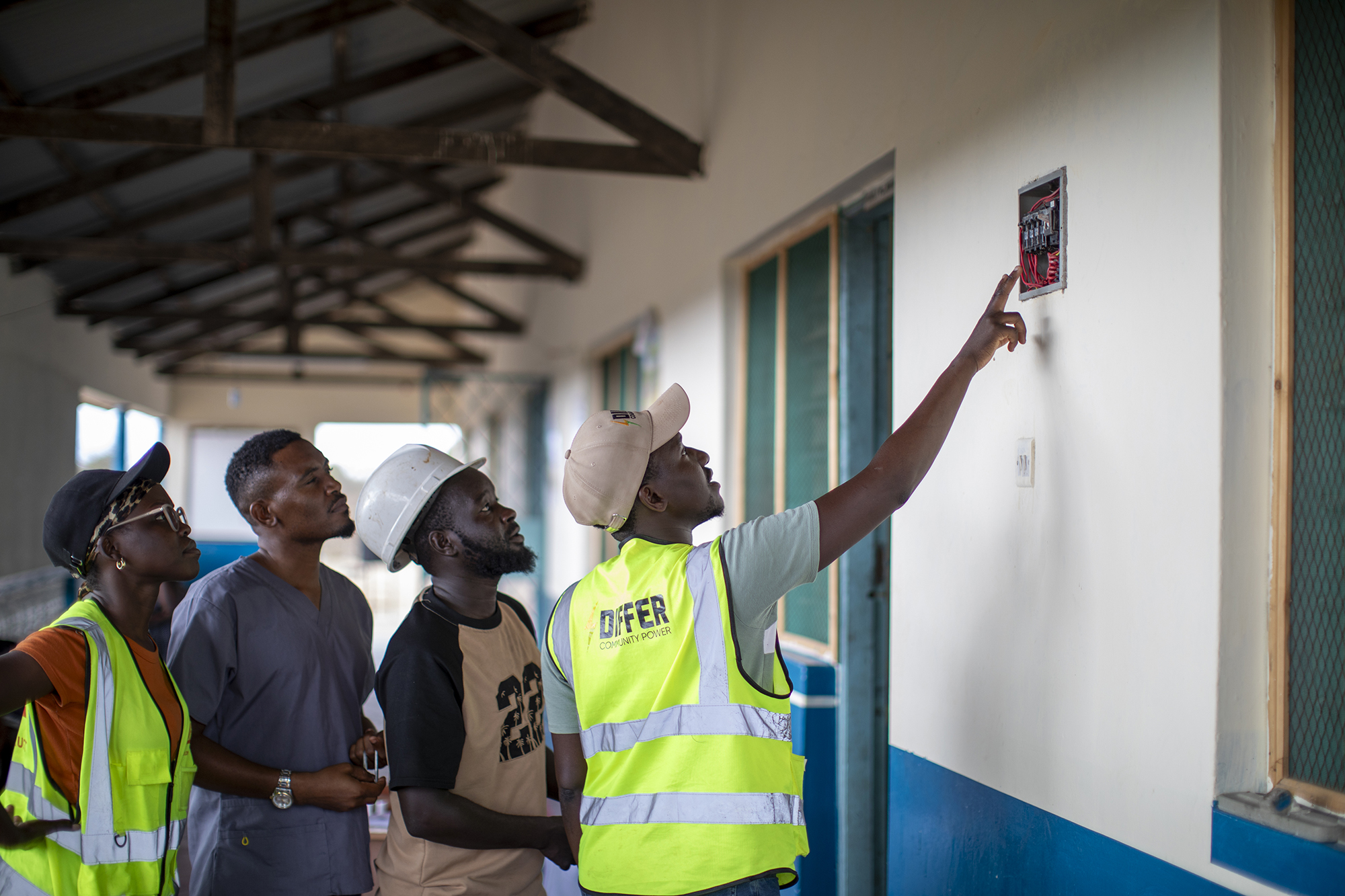
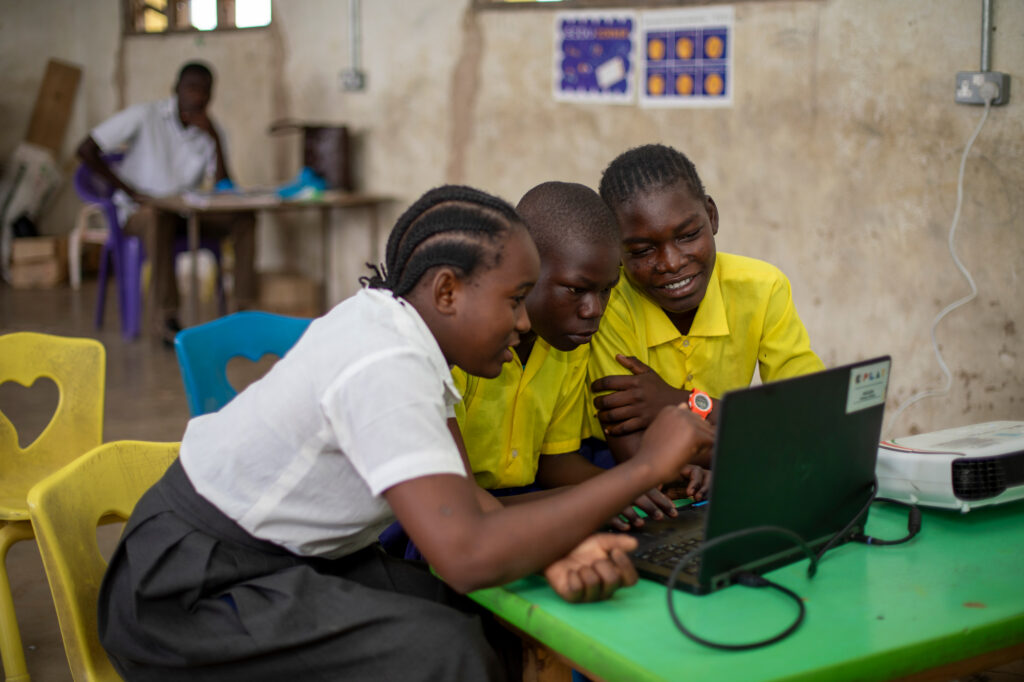
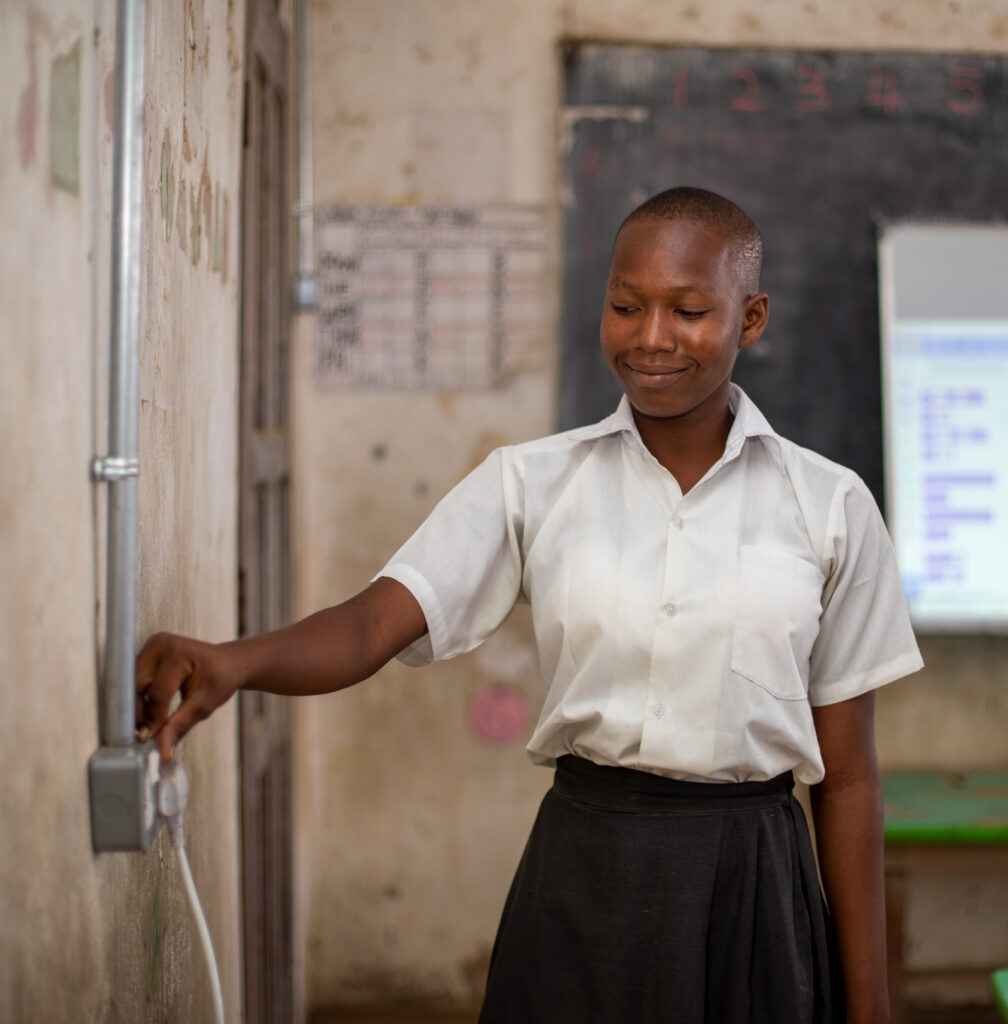
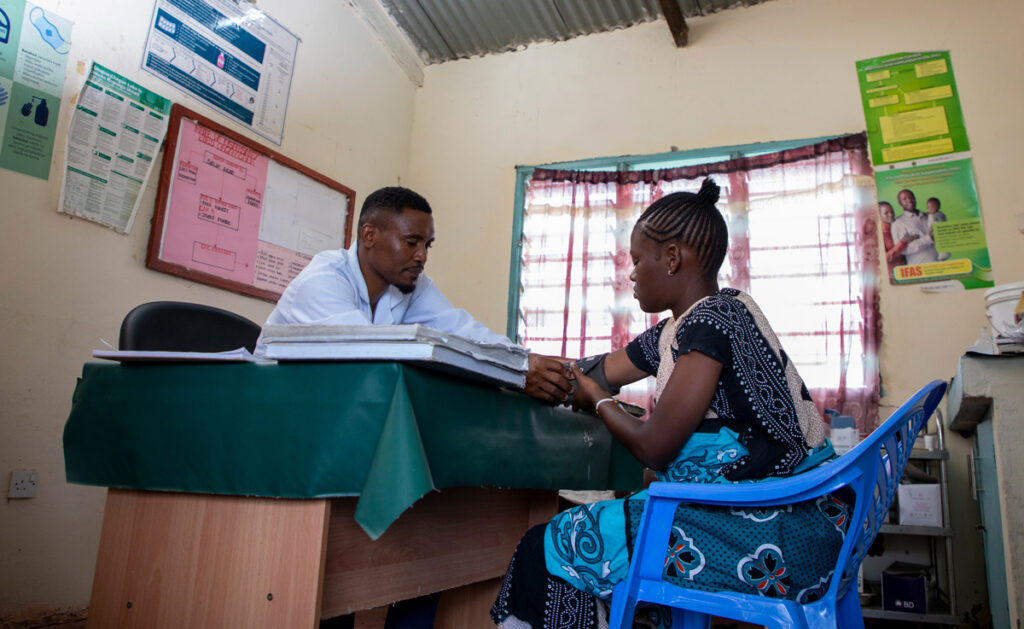
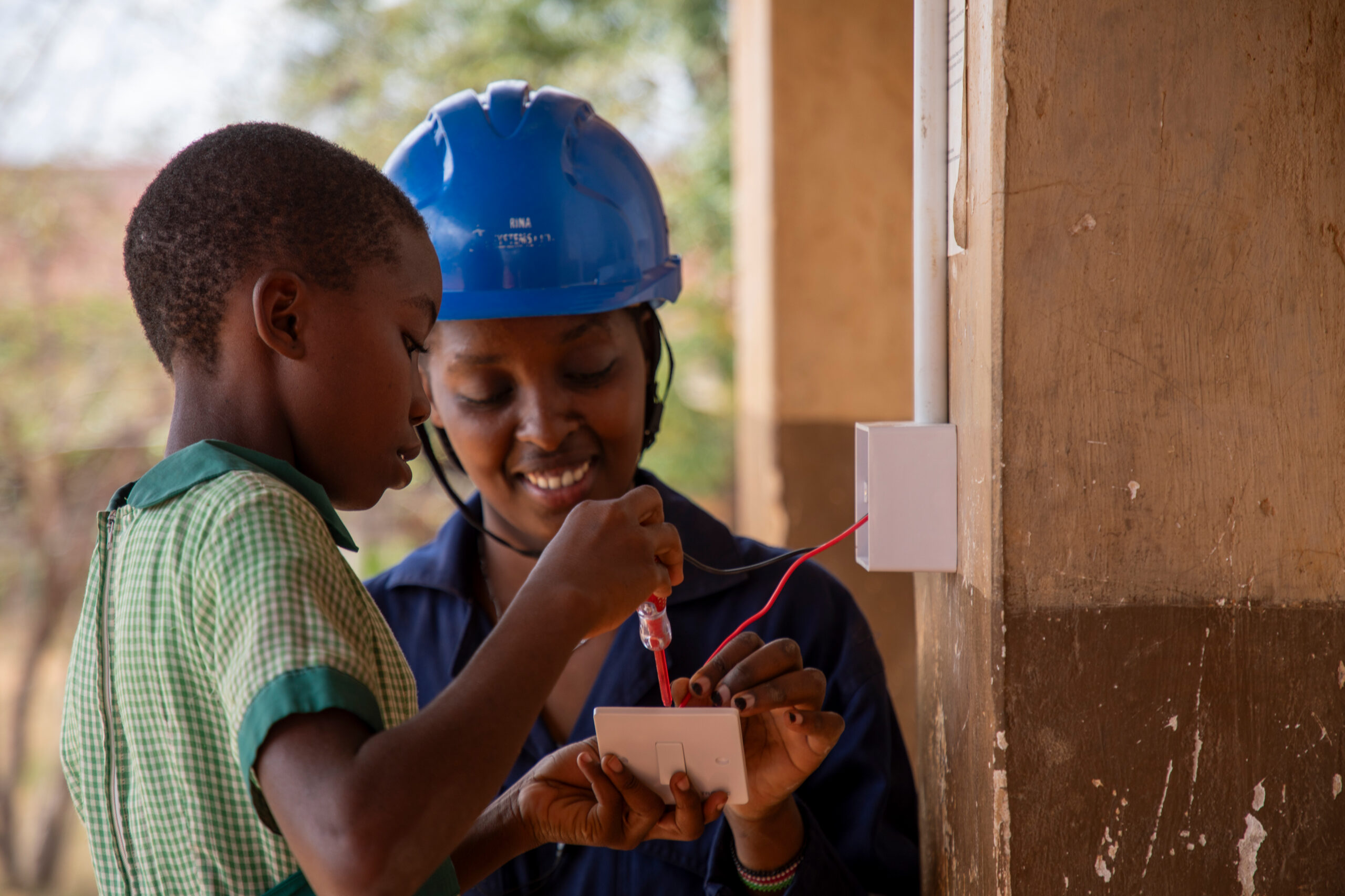
Under the project, Differ Community Power (DCP), an international provider of solar energy services to communities, was commissioned with determining the feasibility of using second-life lithium batteries to rehabilitate solar PV installations at critical locations such as schools and healthcare facilities in Kenya, with the help of international standards. In 2025, all installations were completed, with ongoing evaluation and monitoring.  
9 sites
Schools and healthcare facilities
Education
Improved learning environment
Healthcare
enabling critical services
Cleaner impact
Reduced emissions and e-waste
© Photos: Mutunga Al-Amin/IEC/Fairpicture
© Photo: Bhutan Government

Accelerating
clean cooking

Accelerating access to clean cooking through conformance to international standards is aimed at supporting an SME-led project to bring clean cooking solutions to communities in Asia. ATEC Global will demonstrate how standards and conformity assessment systems can improve the safety, quality and accessibility of eCooking products and installations in underserved communities.
2.4bn
People still rely heavily on solid fuels for cooking
3m+
Annual deaths linked to household air pollution
up to 2%
Estimated share of global carbon emissions
SDGs
Supports poverty, health and clean energy goals

Expanding electricity access

Low-voltage direct current (LVDC) is gaining recognition as a green and efficient way of reaching the millions of people who lack access to the grid, offering lower energy losses and easier integration with renewable sources.

01
Generate locally

Solar panels, small wind turbines and micro-hydro systems can serve very remote locations.

02
Store renewable energy

Energy storage standards support more reliable use of renewable power in weak or intermittent supply contexts.

03
Reduce conversion losses

LVDC allows electricity to be used directly from the source, reducing repeated DC/AC conversions.

04
Plan interoperable systems

IEC SRD 63317:2025 provides practical guidance for industrial LVDC systems and interoperability.

Resilience by design

Extreme weather episodes are placing increasing pressure on electricity grids. New IEC work supports terminology, robustness metrics, weak-point identification and strategies such as redundancy, decentralization and smart grid functionalities.

IEC 63515
Technical report providing a conceptual framework for power system resilience.
IEC TS 60255-216-1
Standardizes IEC 61850 applications for grid protection functions.
IEC 63437
Supports solar PV fridges where electricity supplies are weak, unreliable or intermittent.
IEC 62933 series
Supports storing renewable energy as part of broader access and reliability efforts.
Strengthening the grid

Explore the energy
for all section

Read the complete section for more information about the IEC Global Impact Fund, Kenyan solar PV rehabilitation, clean cooking in Asia, LVDC, renewable energy storage and grid resilience.

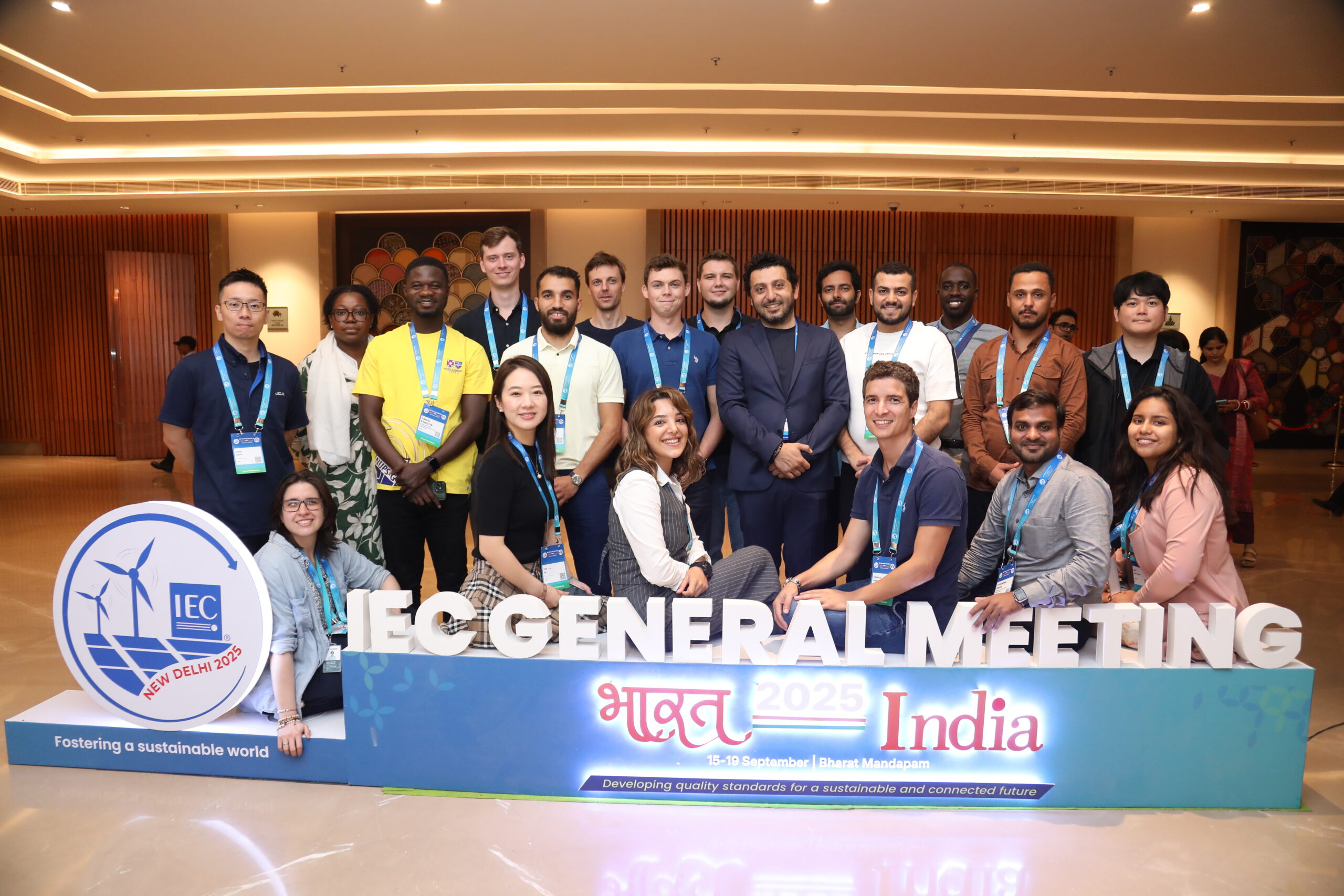
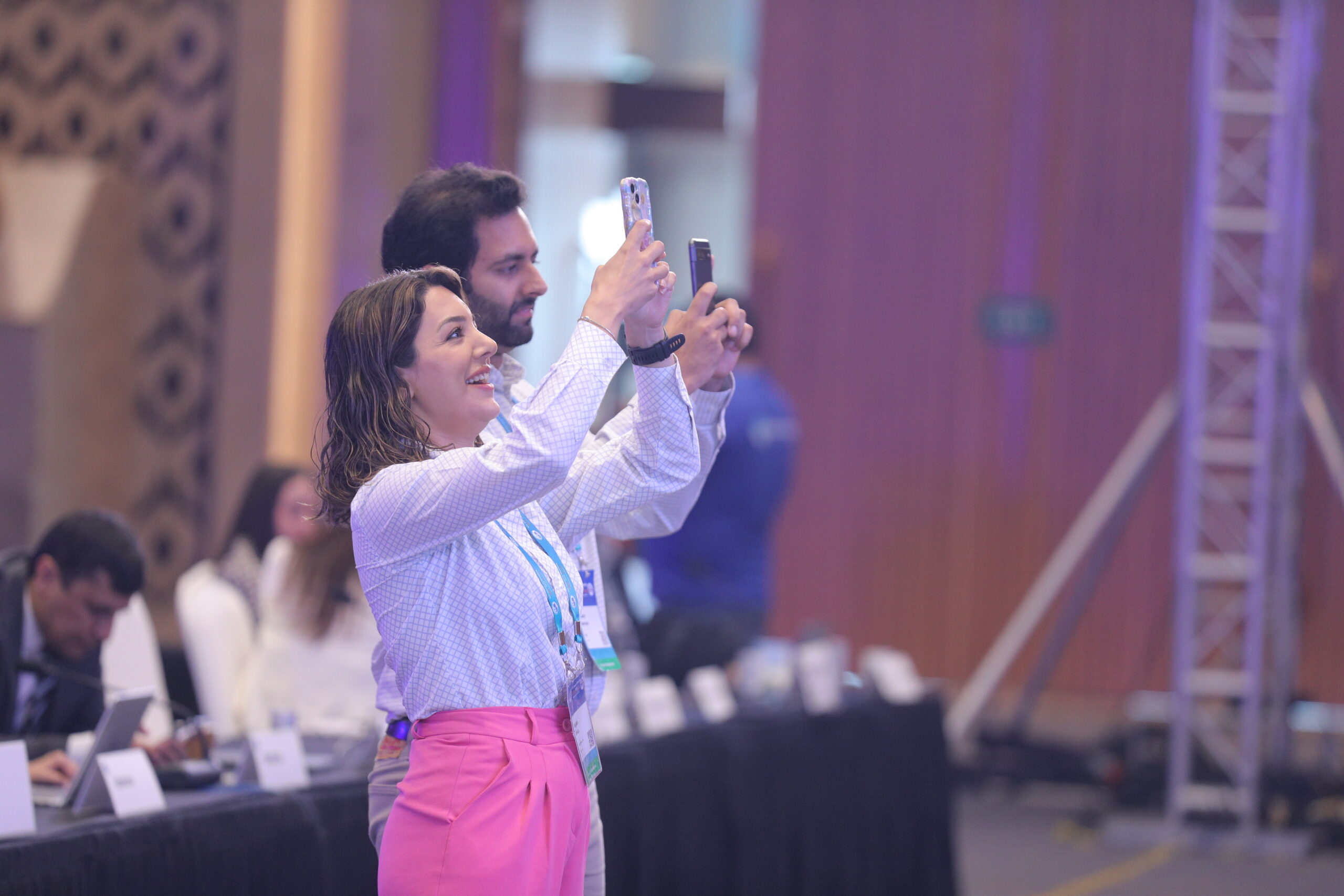
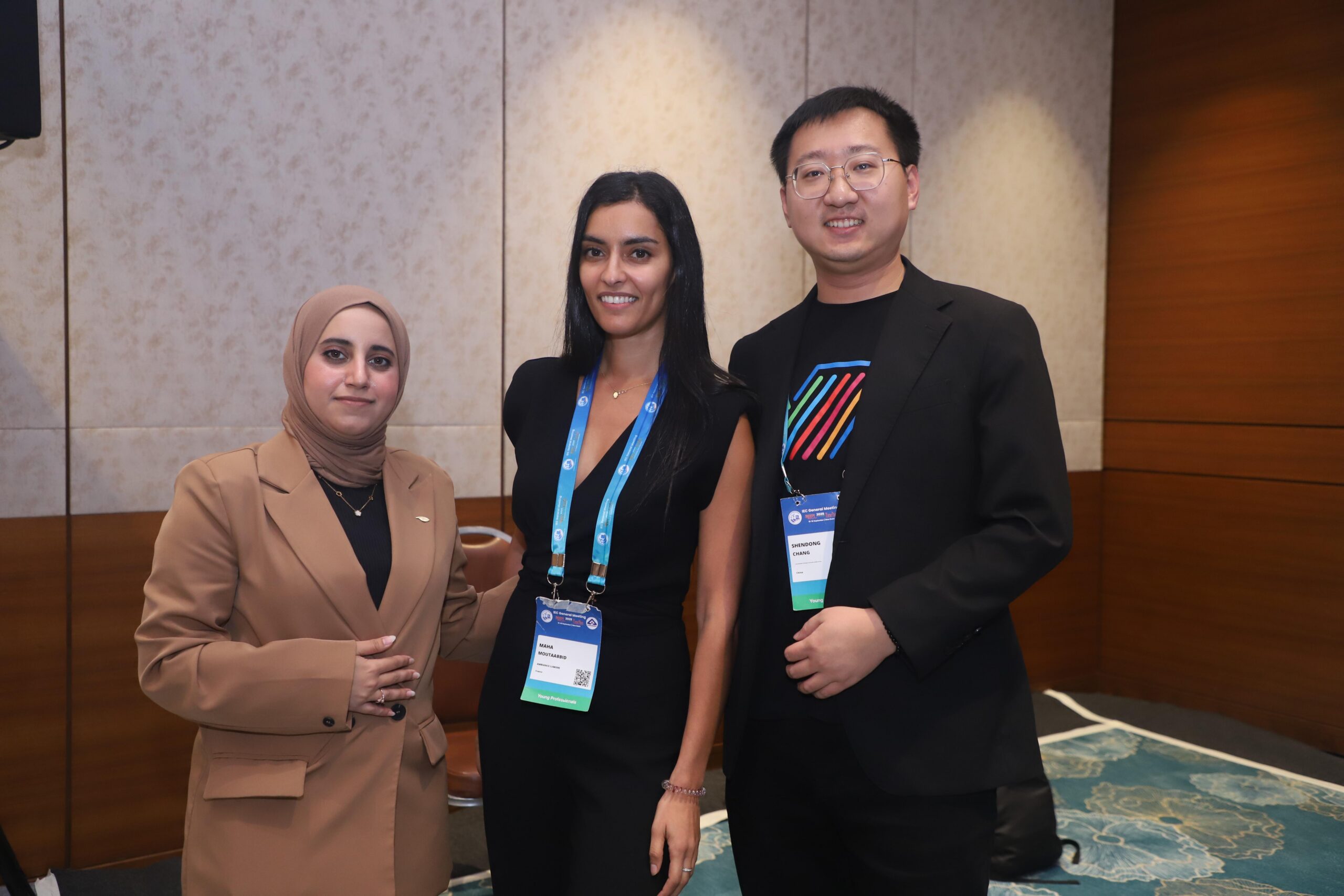
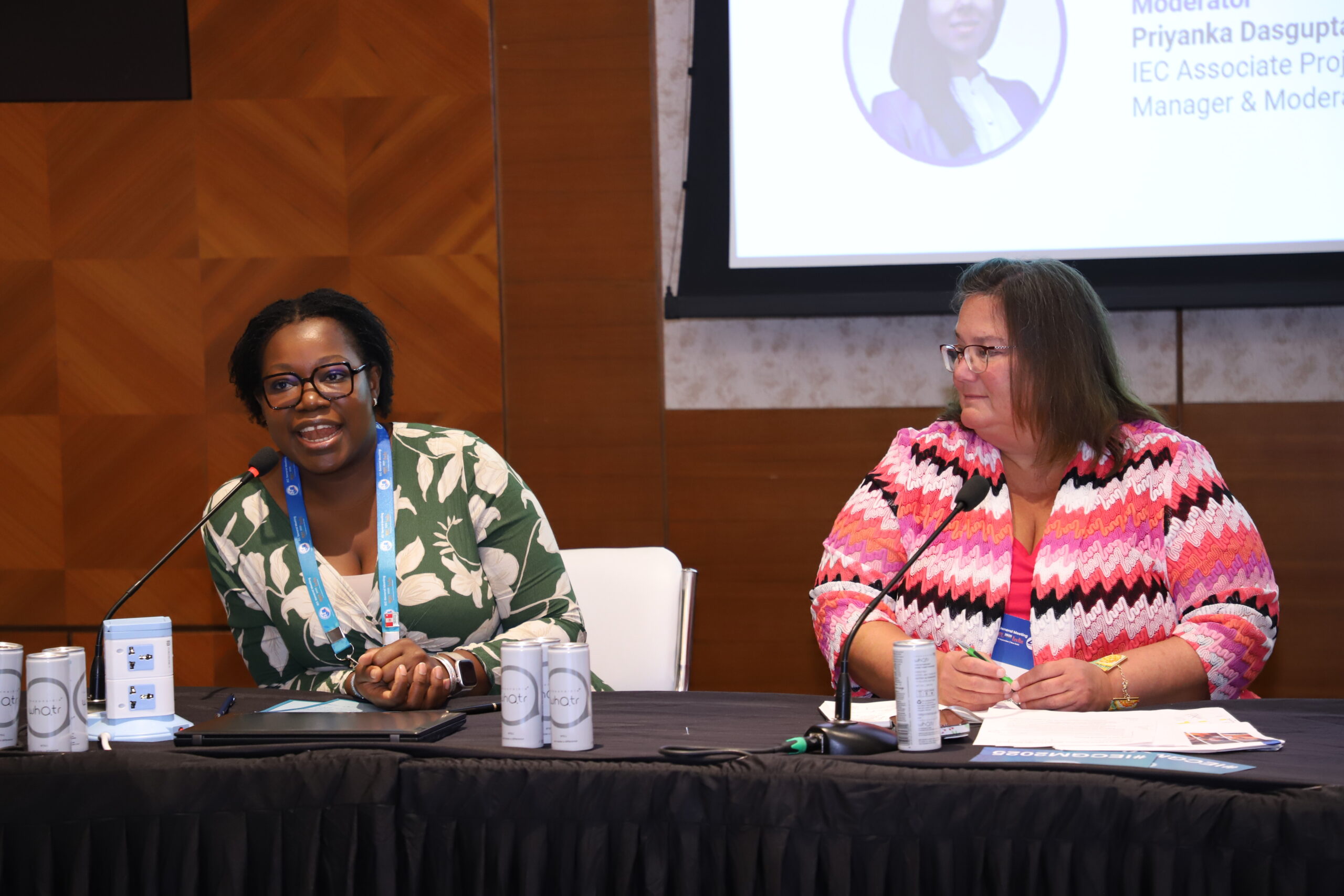
EVERY ACHIEVEMENT STARTS WITH PEOPLE​

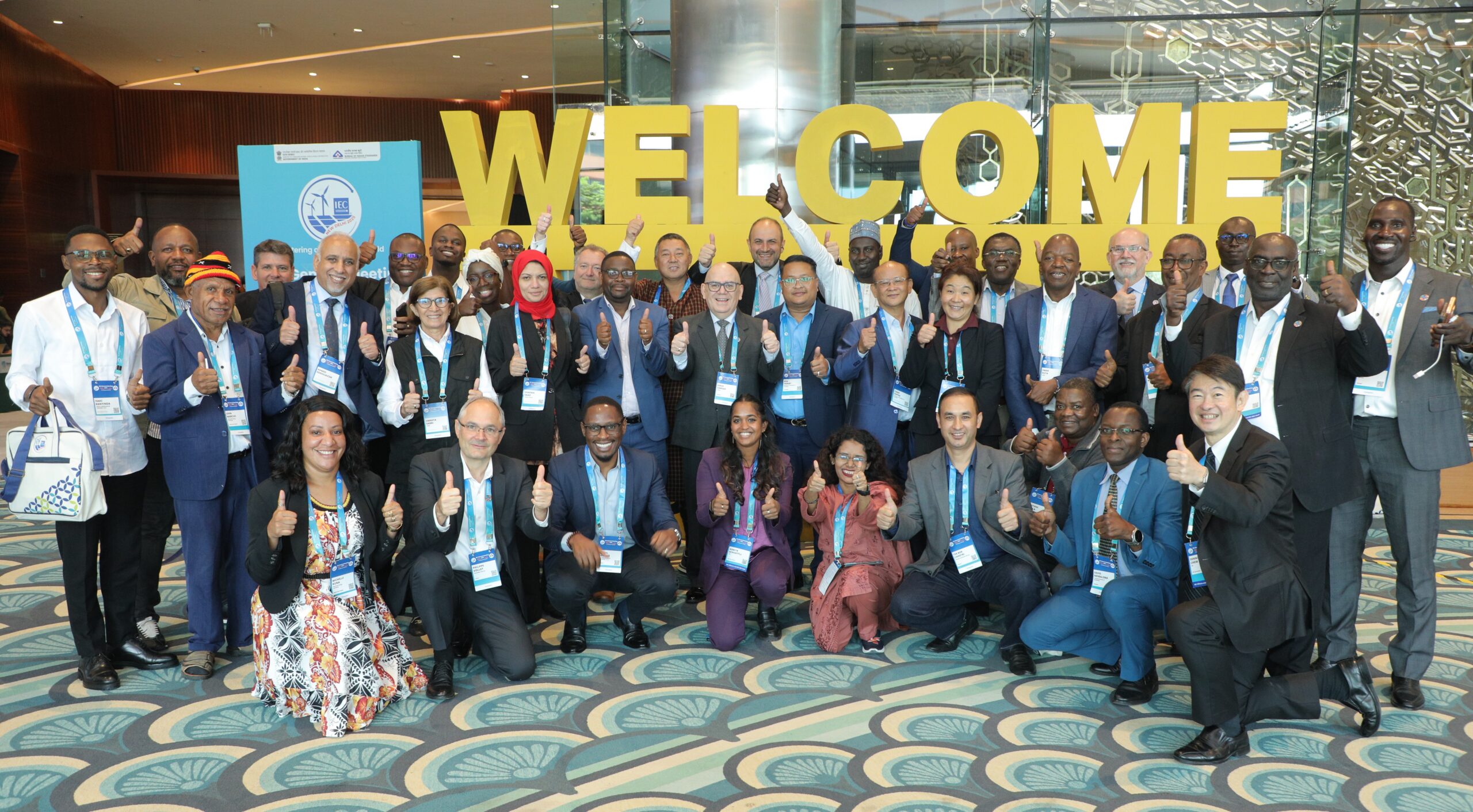
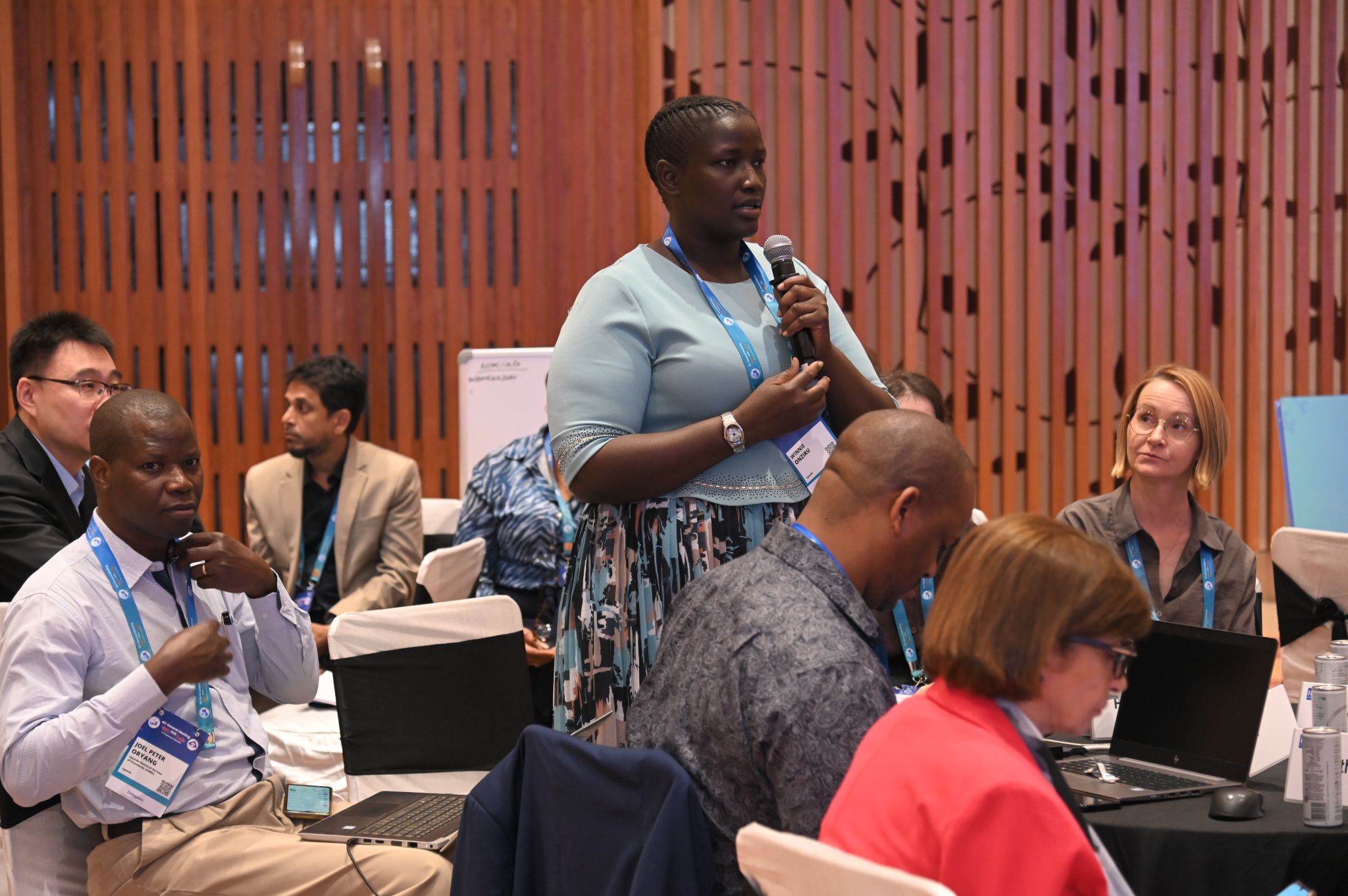
The power of collaboration

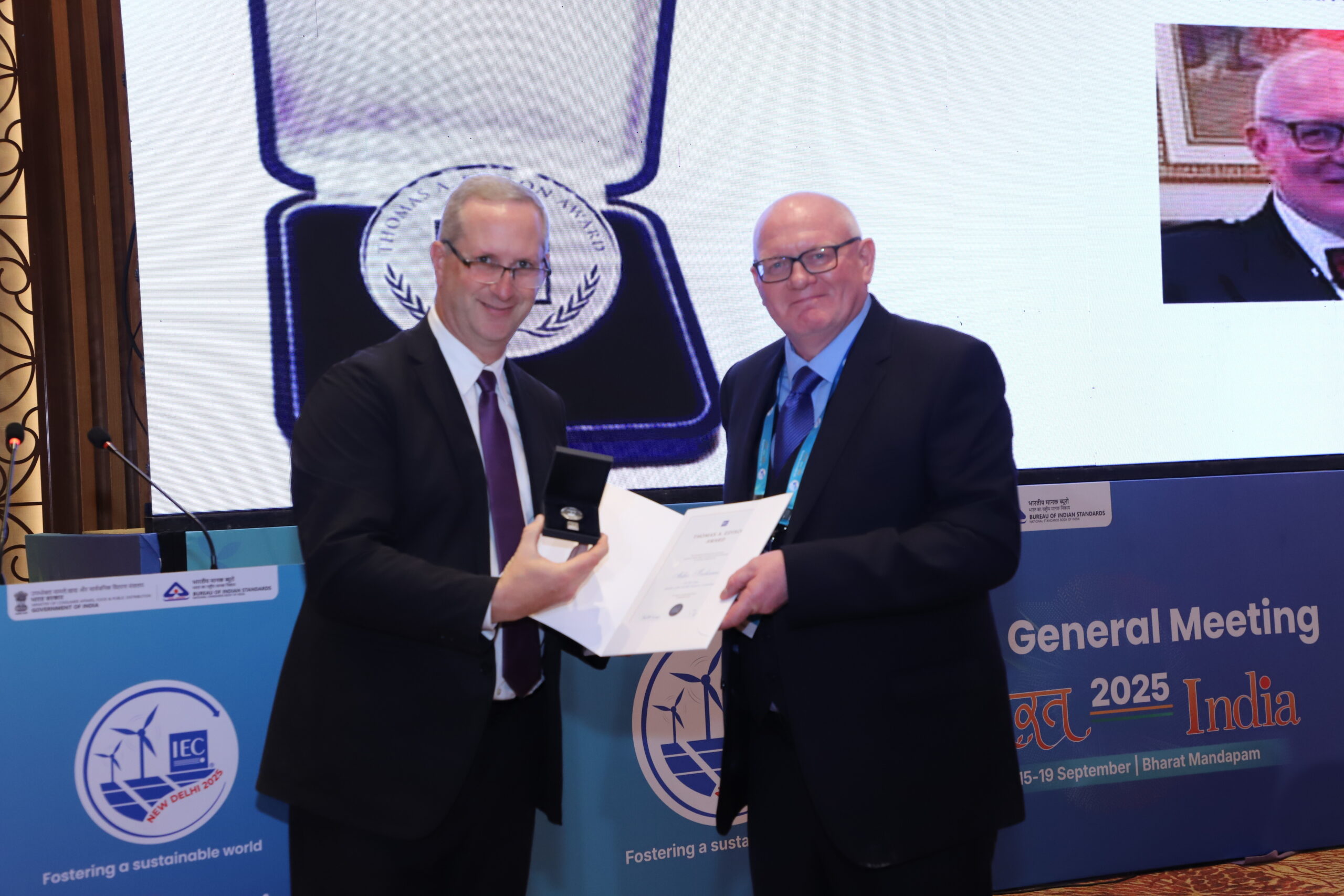
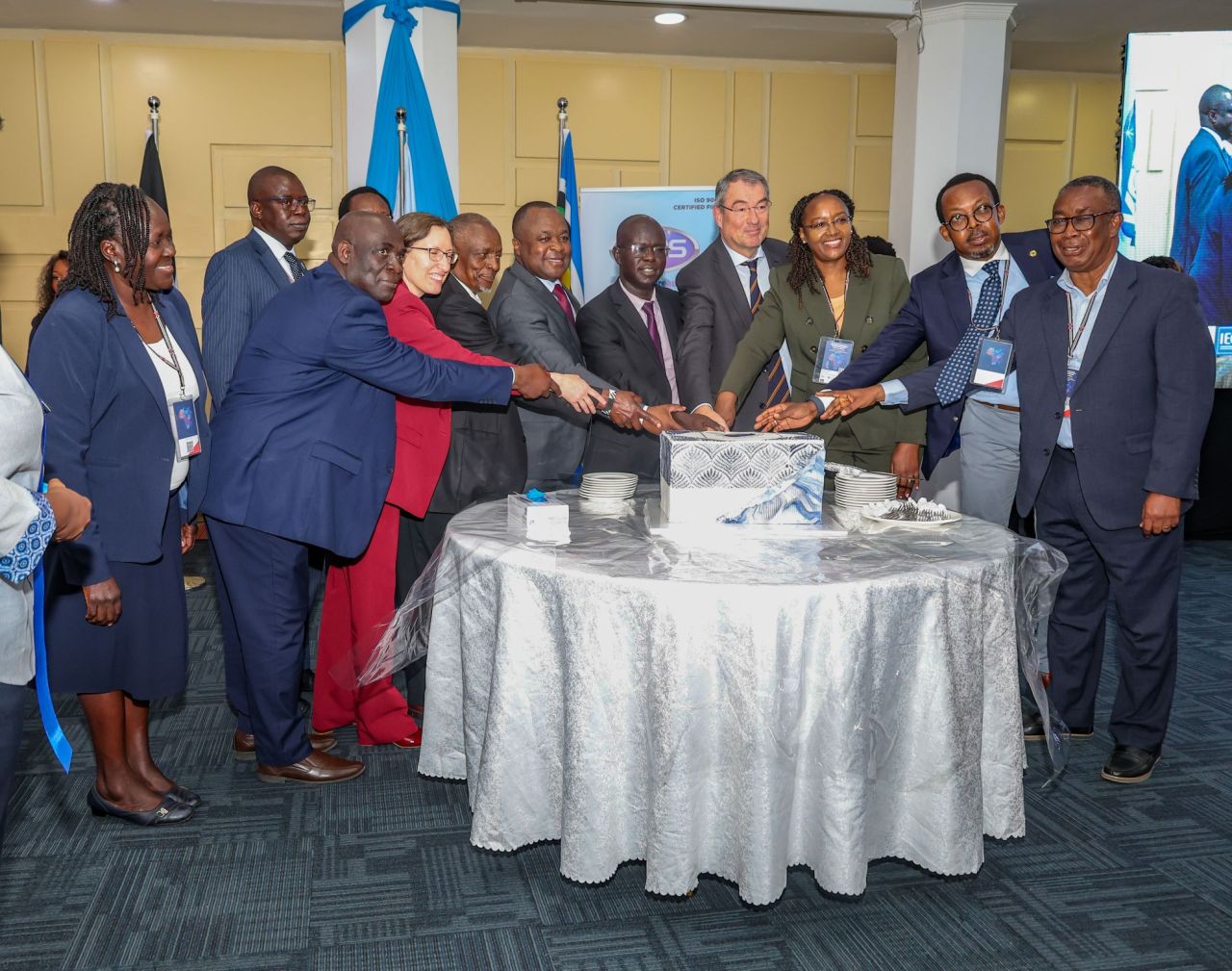
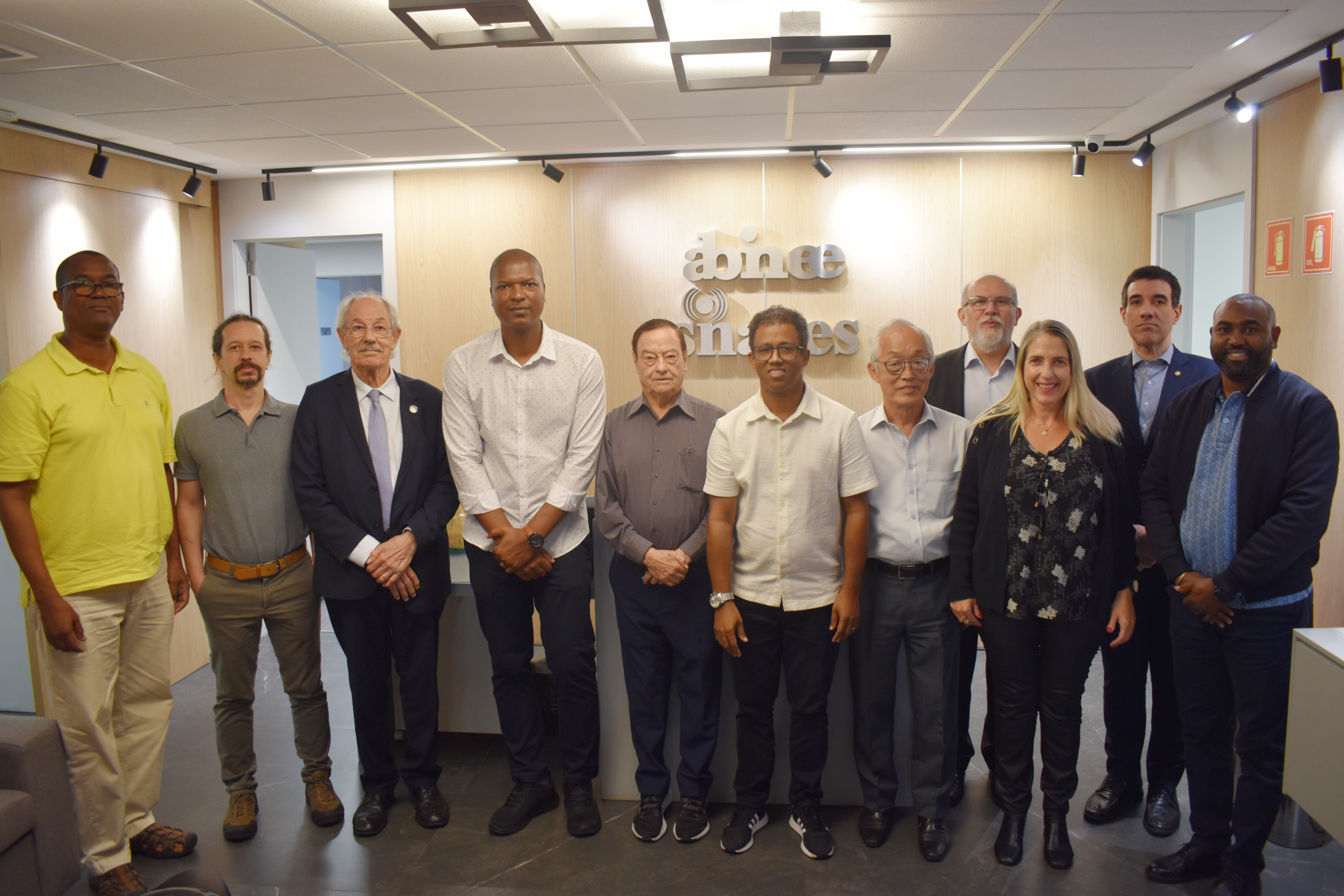
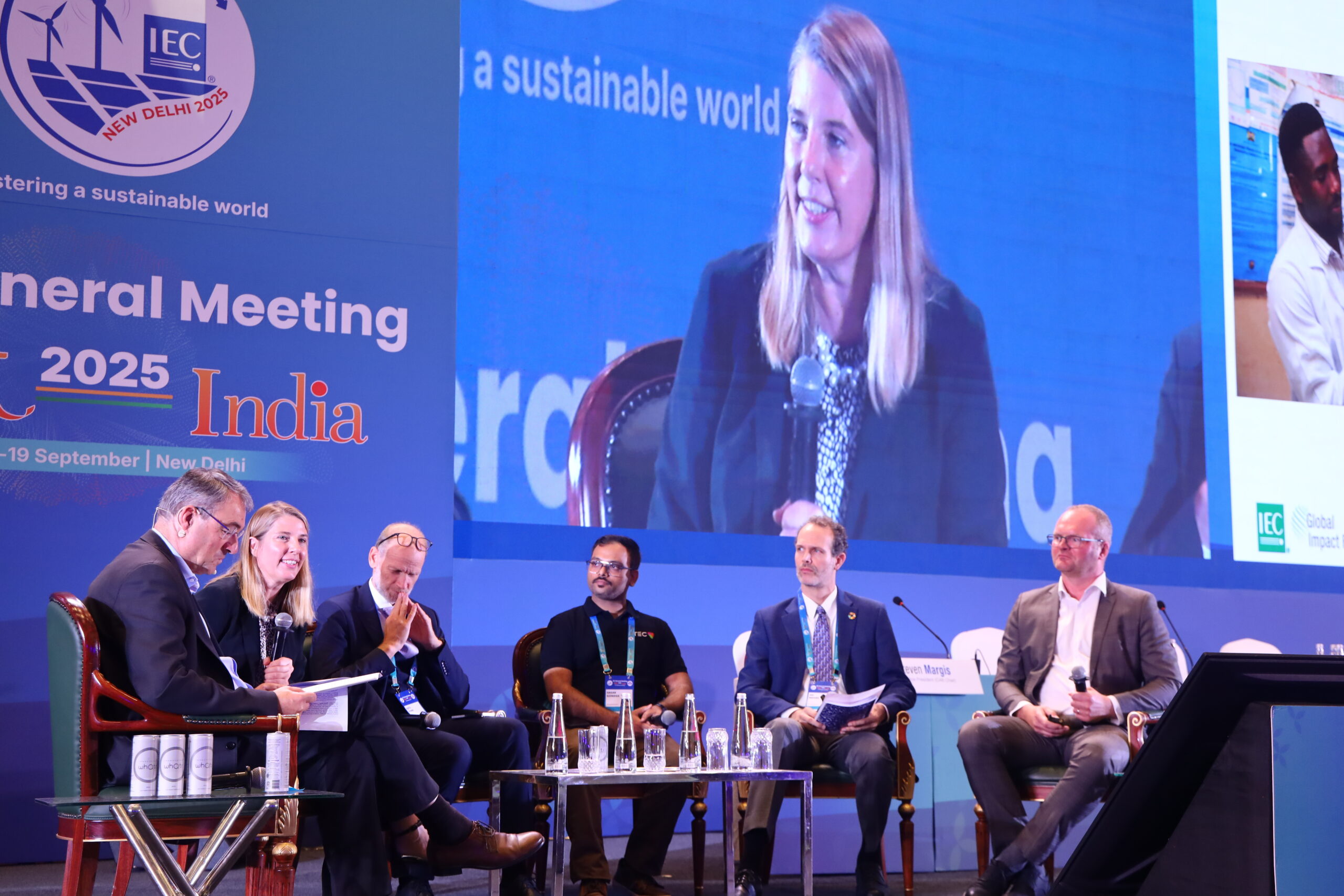
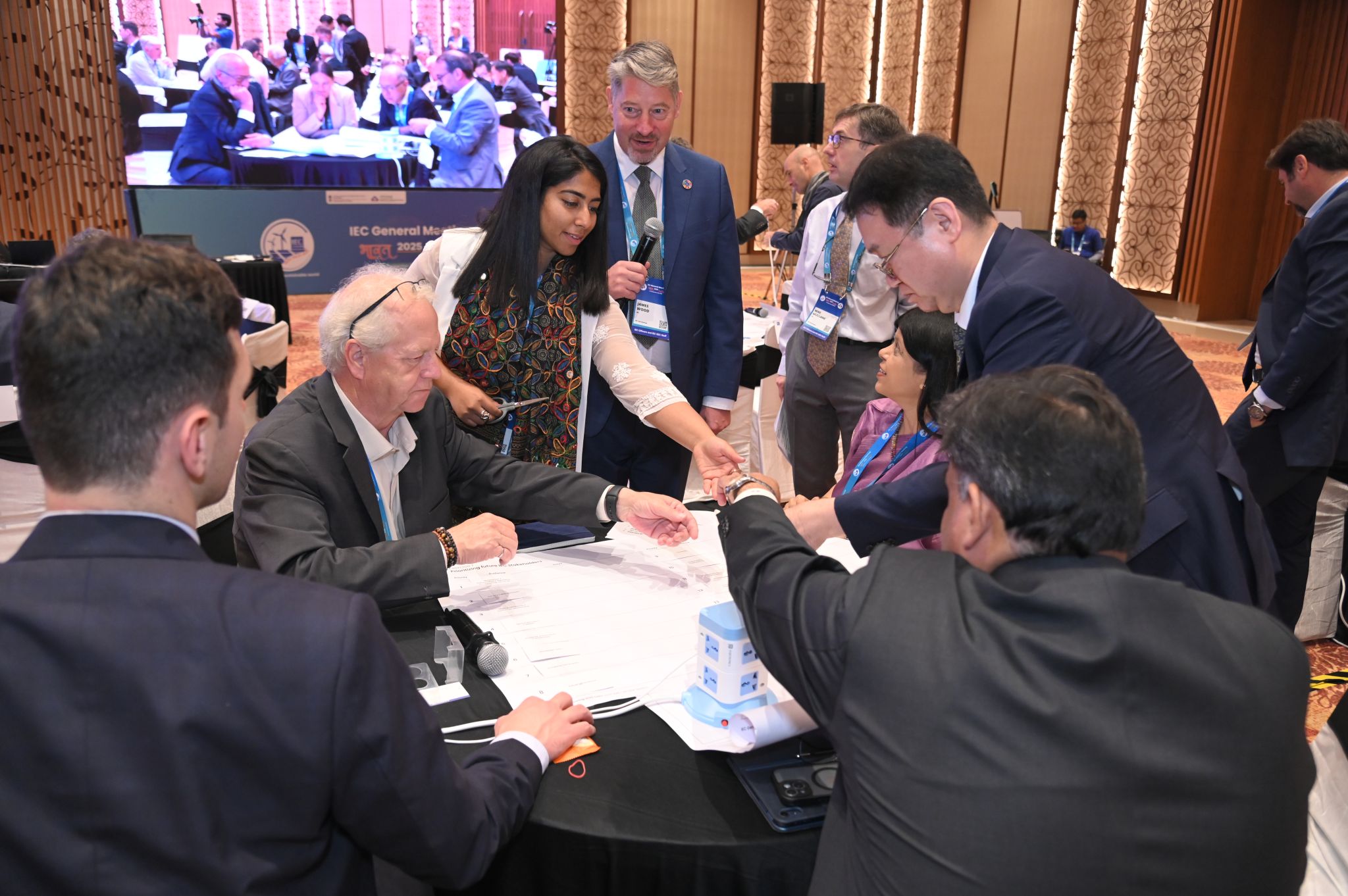
People are at the heart of everything we do, and our achievements reflect the dedication, expertise and shared purpose of the entire IEC community. Below is a snapshot of some of the defining moments of collaboration and innovation that have shaped our work over the past year.