
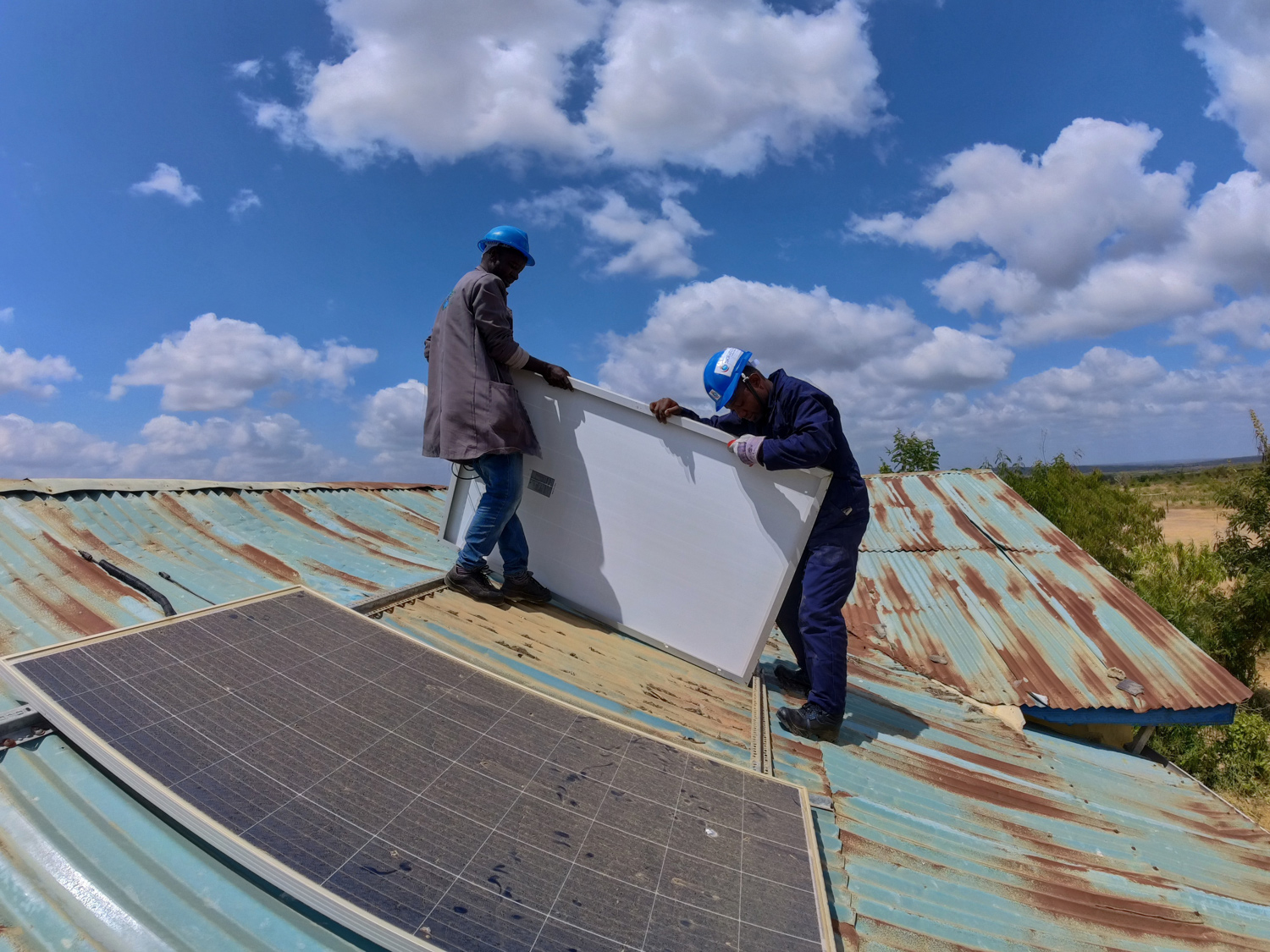
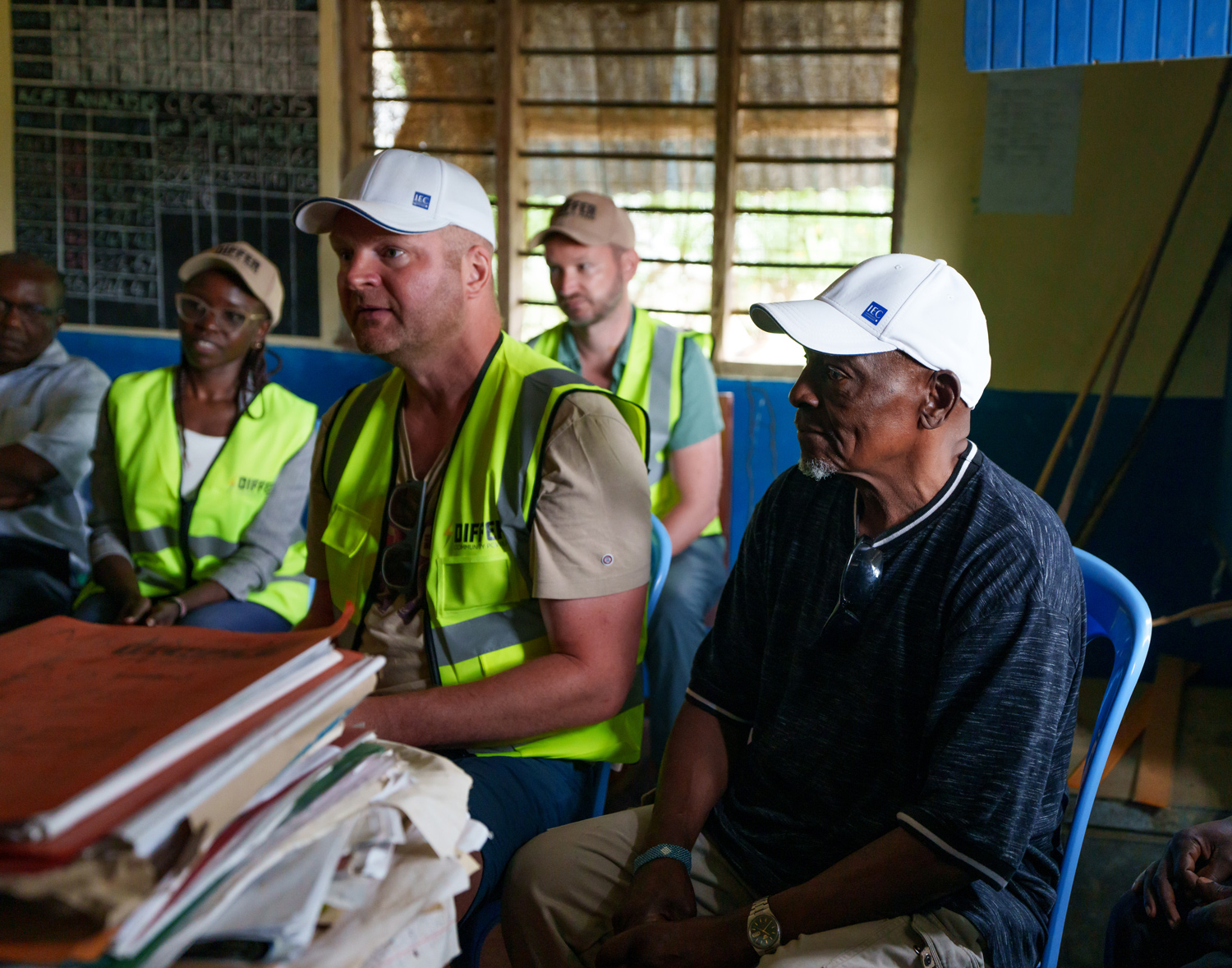
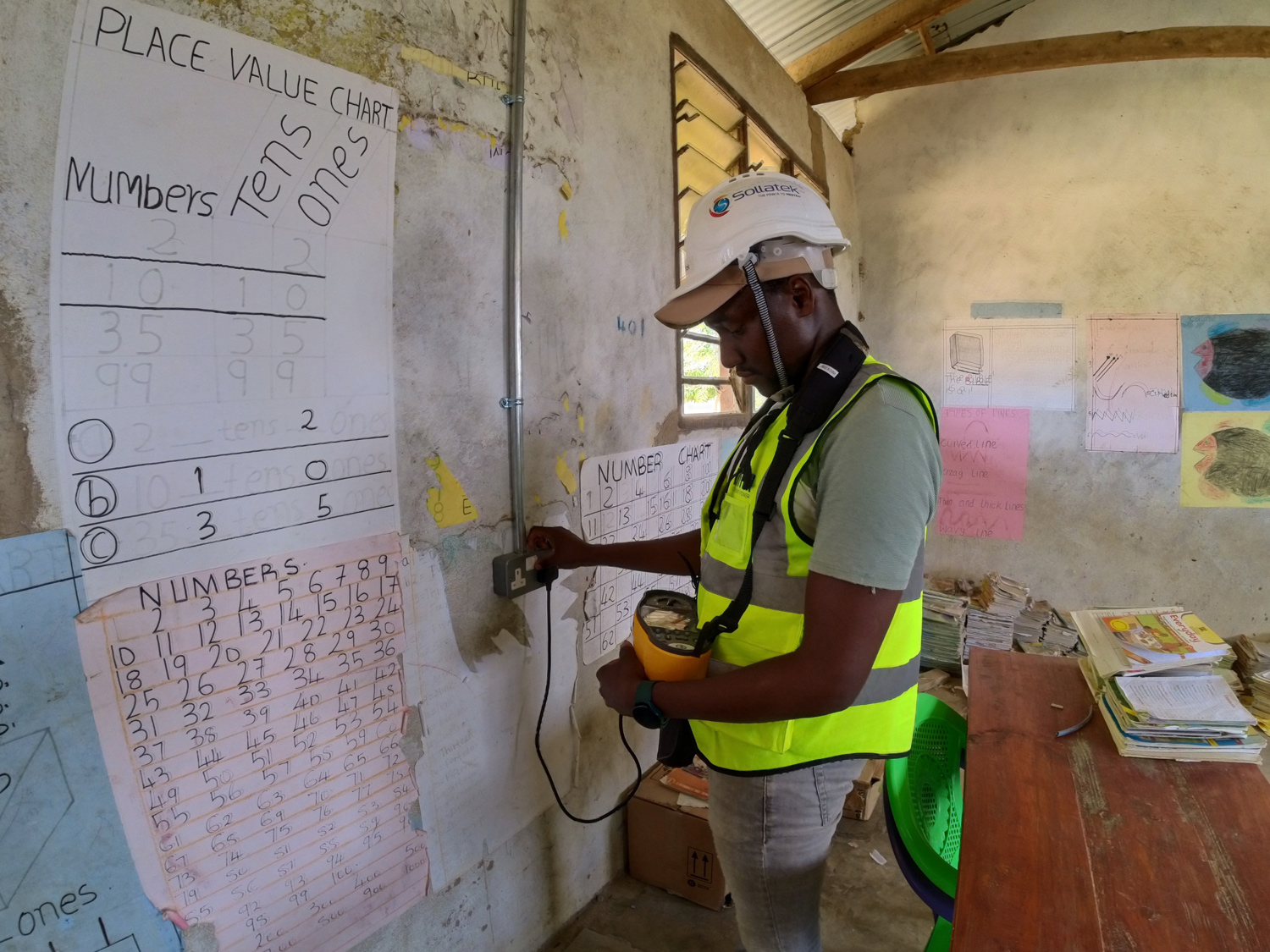
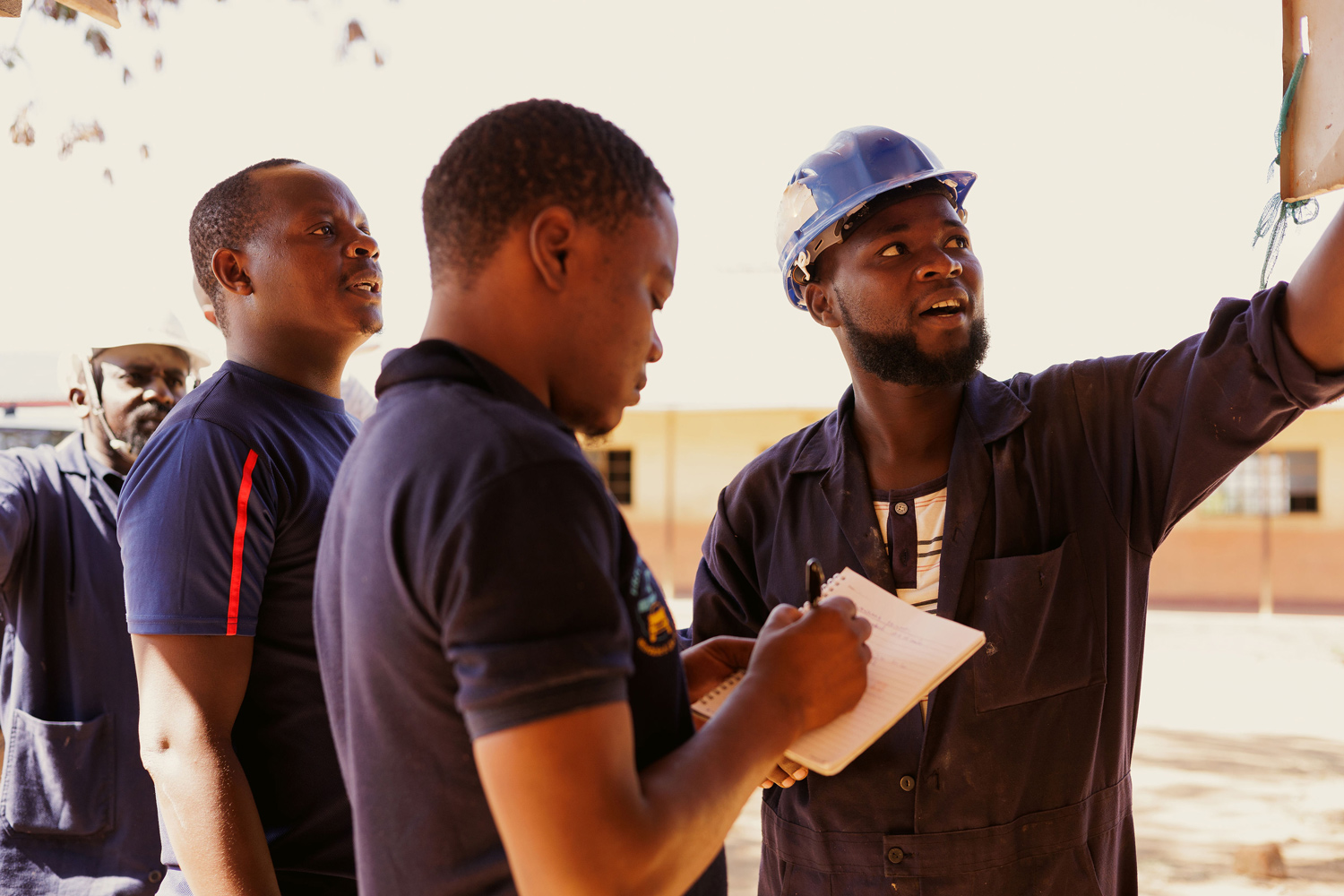
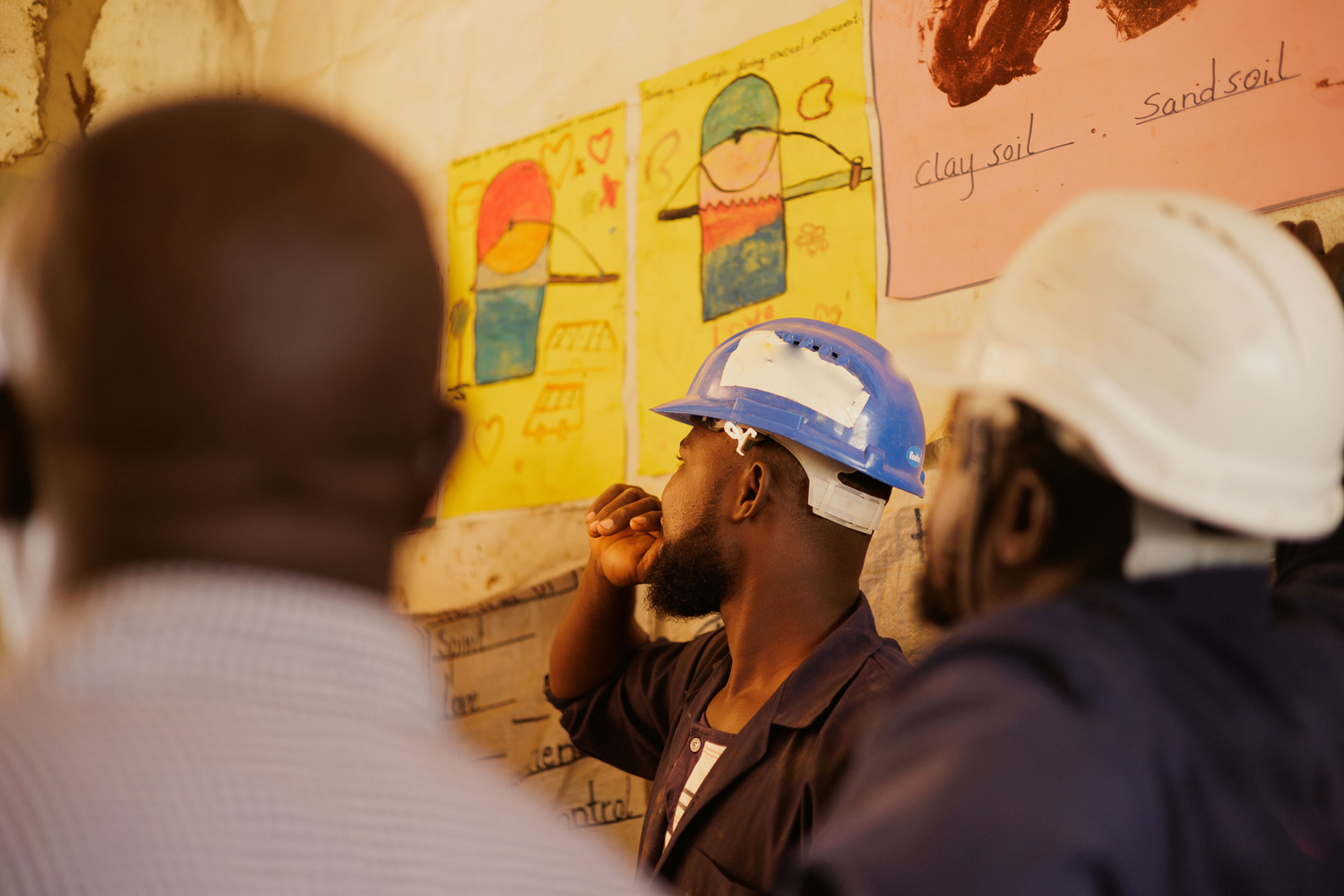
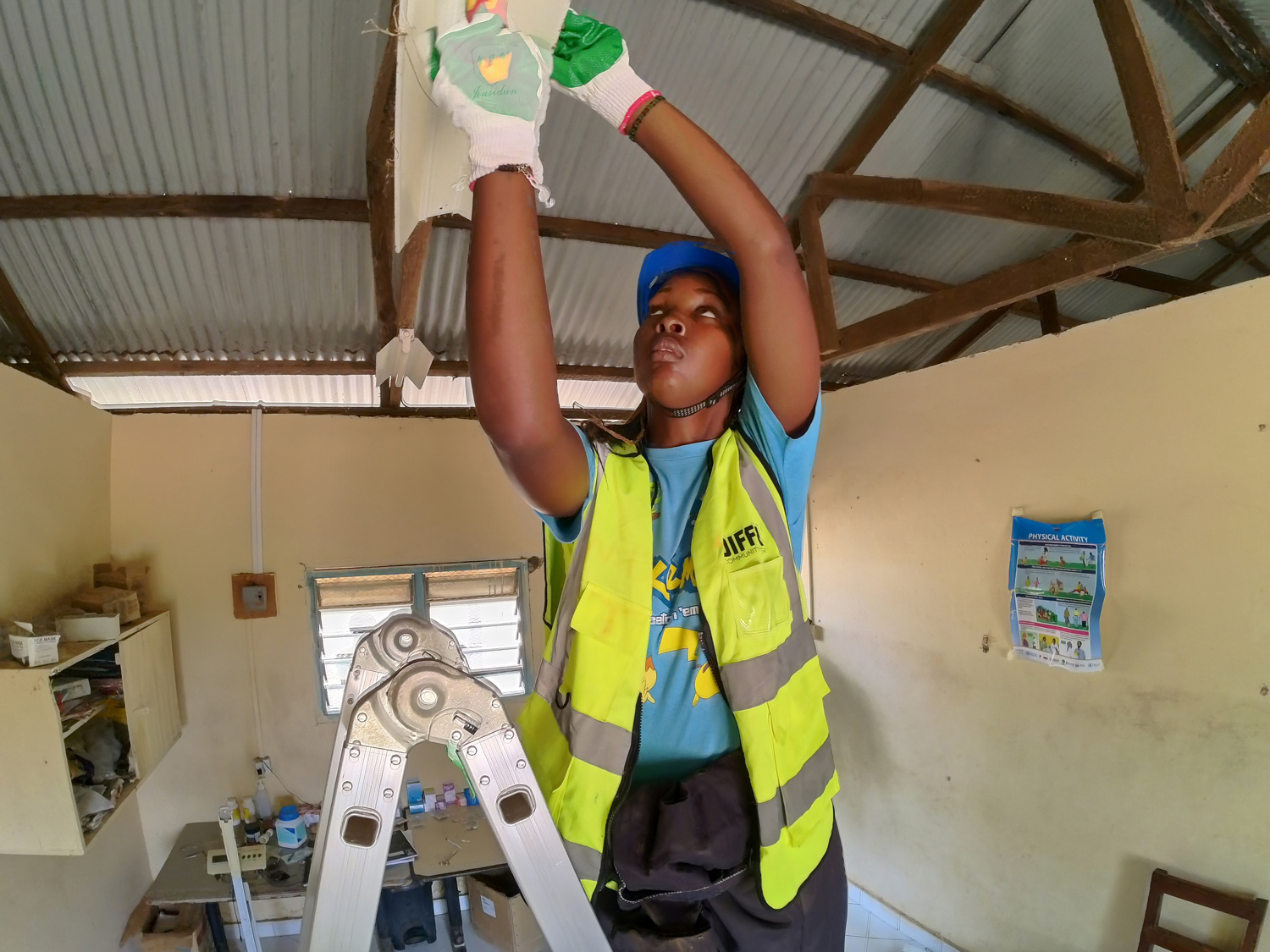
Through the IEC Global Impact Fund , we are turning technical expertise into real-world change. In 2024, our first project was launched in Kenya, using second-life batteries to rehabilitate solar PV systems at schools and health centres. Our second initiative aims to bring clean cooking solutions to communities in Asia.
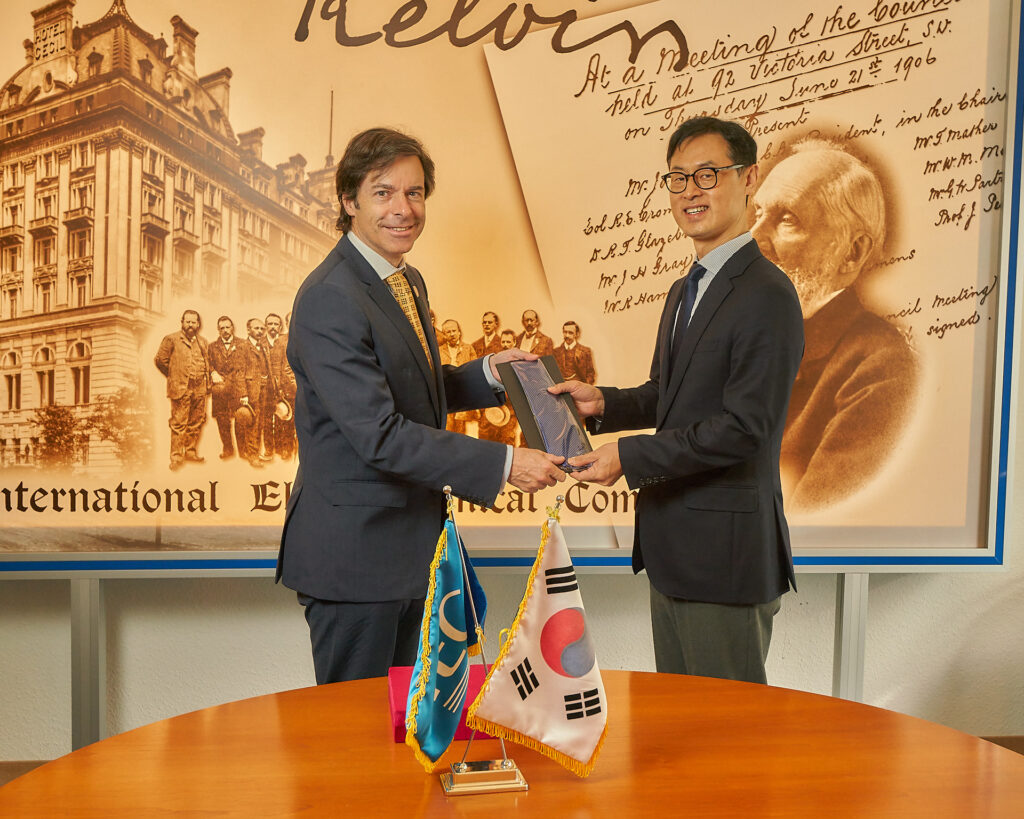
We know that strong partnerships are key to the success of the Global Impact Fund. In 2024, we secured our first funding agreement with KATS of Korea and began collaborations with NARI Group and CET to extend the reach of IEC standards globally.

From partnering with the UN and OECD to co-launching the upcoming International AI Standards Summit (2025), we have been actively engaging with key organizations and institutions to ensure a safe and beneficial AI future. This includes supporting key initiatives like AI for Good and tackling deepfake risks through the AI and Multimedia Authenticity Standards initiative.
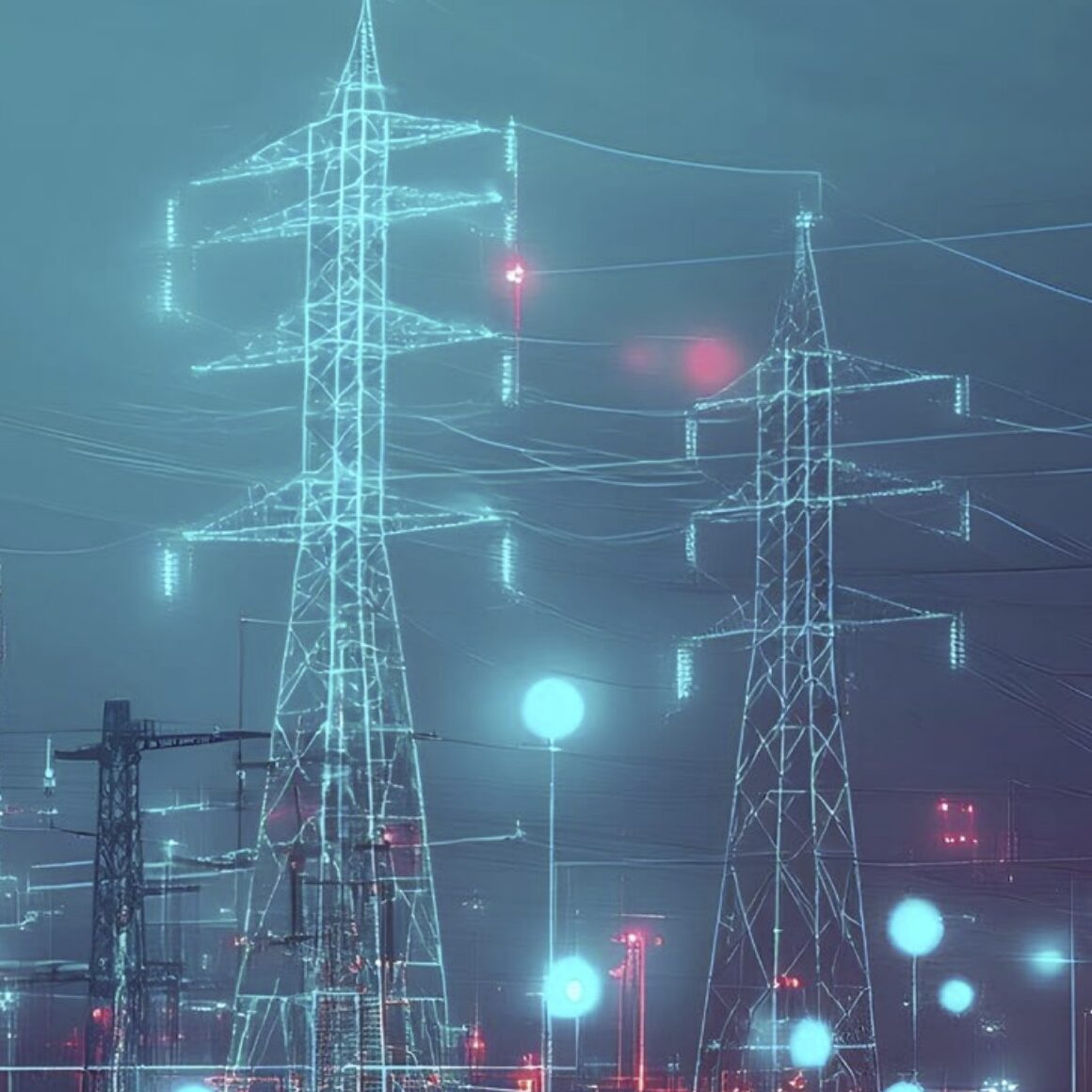
Digital twins are revolutionizing the energy sector by enabling better grid planning and management. Our new White Paper outlines practical steps for stakeholders to unlock their full potential through standards and data-sharing frameworks.
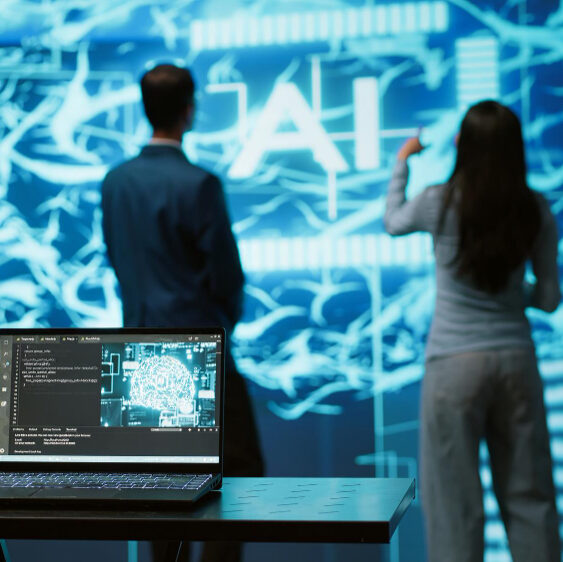
Setting the foundations for reliable and safe AI systems, in 2024 we published a number of new standards to address data quality, bias, and functional safety. A new joint IEC and ISO committee is also focusing on AI and sustainability, identifying where further standardization is needed.
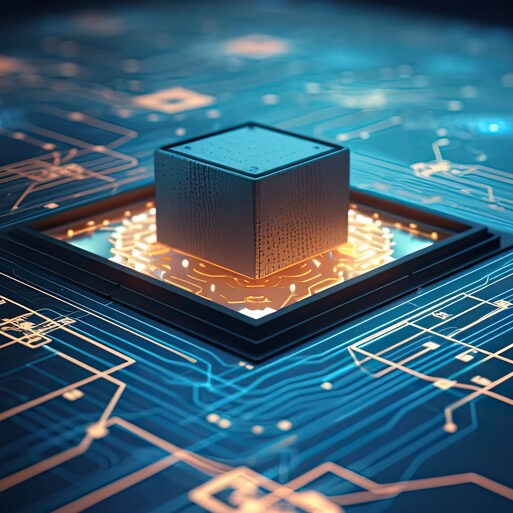
Quantum technologies are promising to change the world in both exciting and concerning ways. To enable the benefits of quantum to be realized without the risks, with ISO, we established a joint technical committee to create international standards across the entire quantum ecosystem, while also addressing critical areas like quantum-resilient cybersecurity.
With increasing digitalization, protecting infrastructure is more urgent than ever. From energy grids (ISO/IEC 27019) to smart appliances (IEC 60335) and manufacturing systems, our updated standards embed cybersecurity where it matters most.
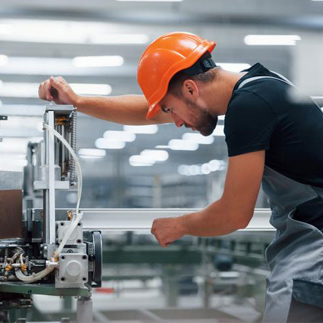
We're advancing safety in manufacturing, healthcare and beyond. In 2024 we introduceda new certification scheme to assess personnel competence for the safe use of machinery and published a technical specification to evaluate medical equipment in the presence ofelectromagnetic interference.
Workshops and panels covered:
At COP29 in Baku, we joined forces with ISO, ULSE, and other international organizations at the first-ever Standards Pavilion to spotlight how standards power real climate solutions.
Batteries are key to a low-carbon future, but repurposing them safely is complex. Our new
IEC 63338 standard offers guidance on the reuse and repurposing of lithium-ion and nickel batteries, ensuring safety and consistency worldwide.
In 2024, we launched the new IECQ carbon footprint verification services overview aimed at combatting greenwashing and building trust. These services align with ISO standards and cover:
Certain substances found in nature possess unique properties but also carry risks. An example of this is halogens, found everywhere from drinking water to electronics, but have the potential to create toxic waste. To support regulators tackle this problem, we are working on new standards and our new guide for defining halogen content terminology will support their development
Electric vehicless (EVs) are more than just vehicles—they're mobile energy assets.
New standards such as IEC 63584 support EVs that can charge and discharge power to the grid.
We also:
Our newly established ad hoc group on zero energy buildings is identifying where standards can help cut carbon in construction, and infrastructure and establish what more is needed.
At IEC we believe standards should work equally for everyone so we are pushing for gender-responsive standards through expert training, social media campaigns and guidance tools.